
Pool Safety Guide for Children | Summer Precautions

One of the most preferred activities of families during the summer is going to the pool. Pools provide enjoyable areas for cooling down, having fun, and spending quality time together. However, when using the pool with children, safety should always come before fun. A few simple measures can significantly reduce potential risks.
First of all, children should never be left alone by the pool. Even if a child knows how to swim, adult supervision should be constant. A small moment of panic in the water can quickly lead to serious consequences.
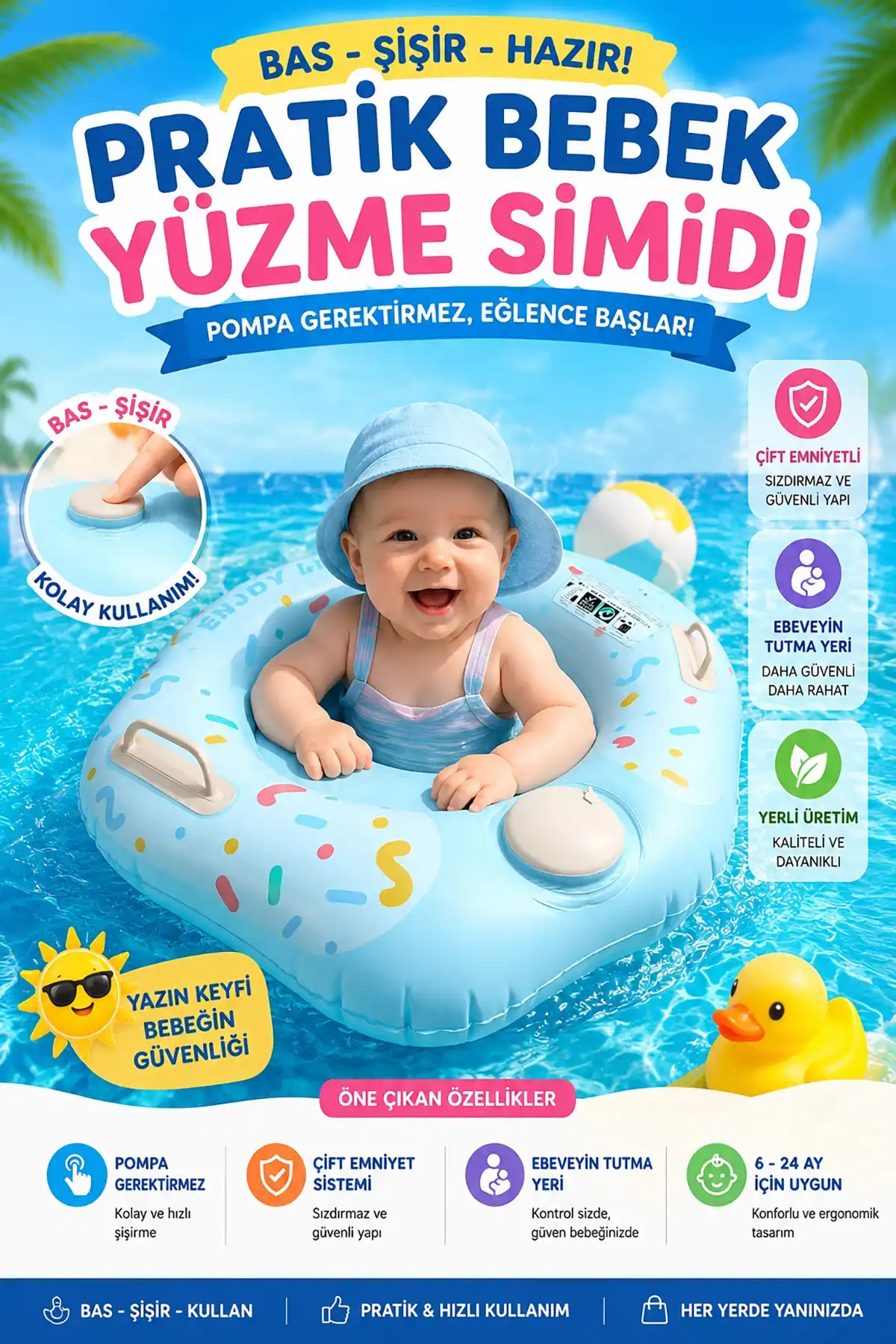
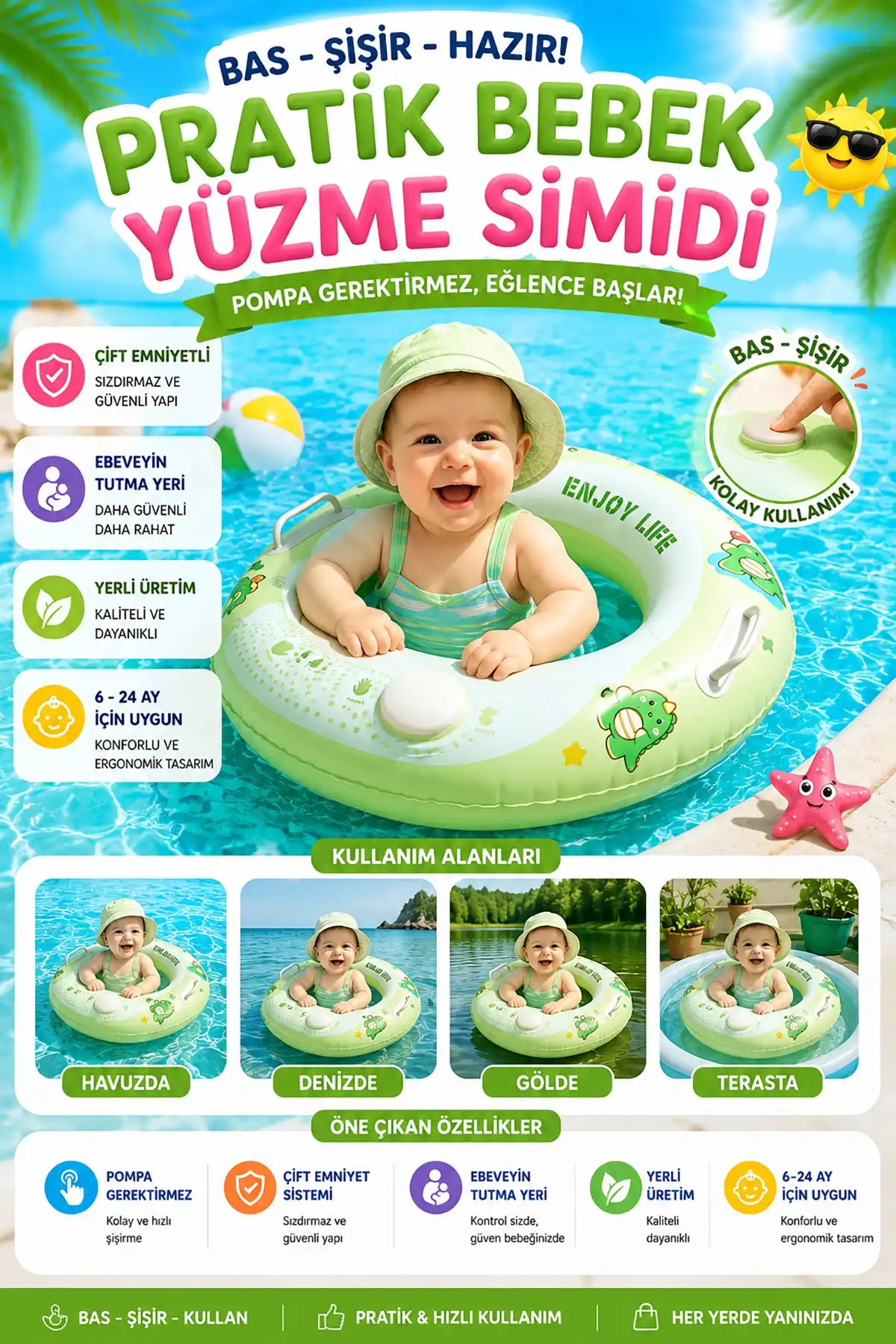
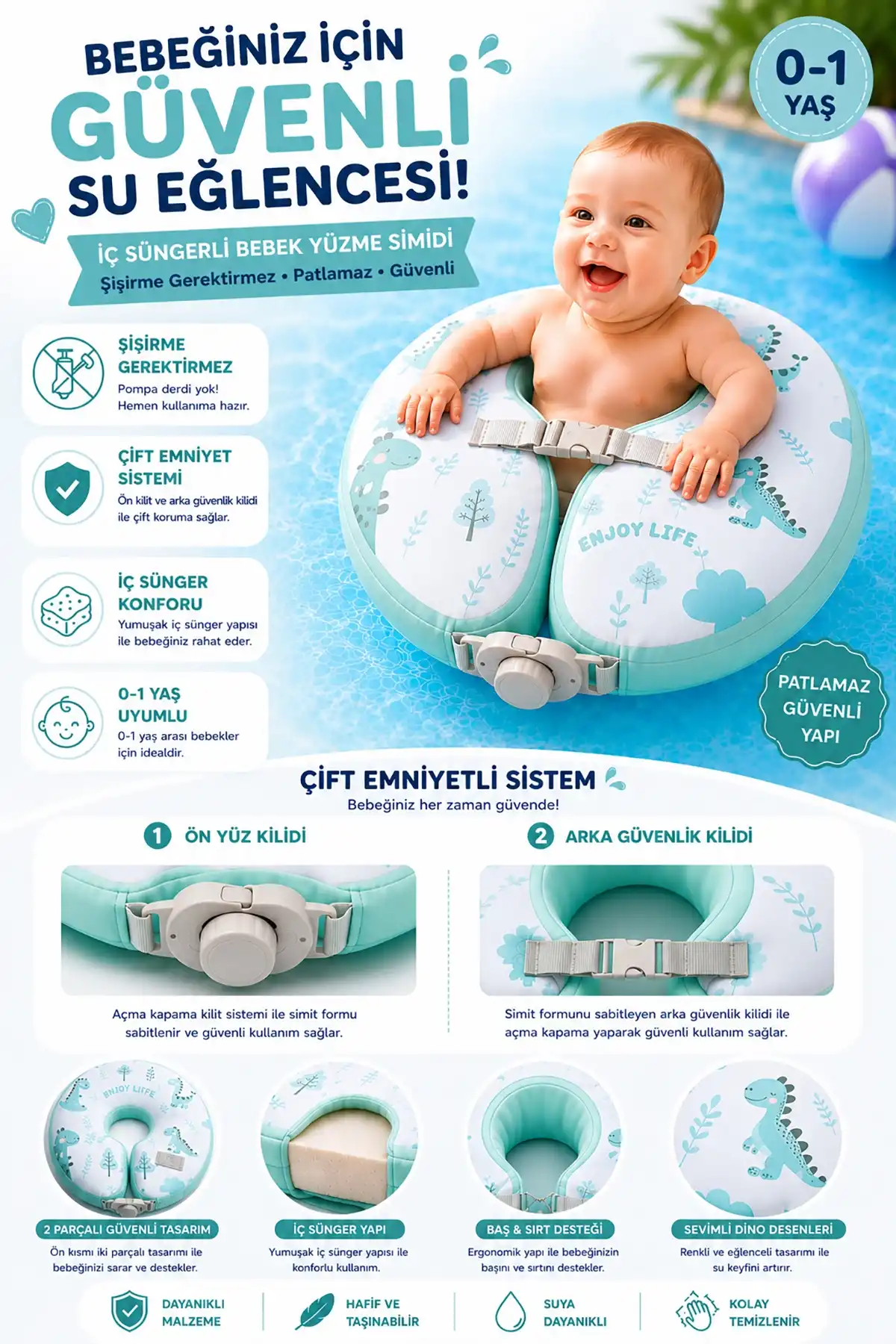
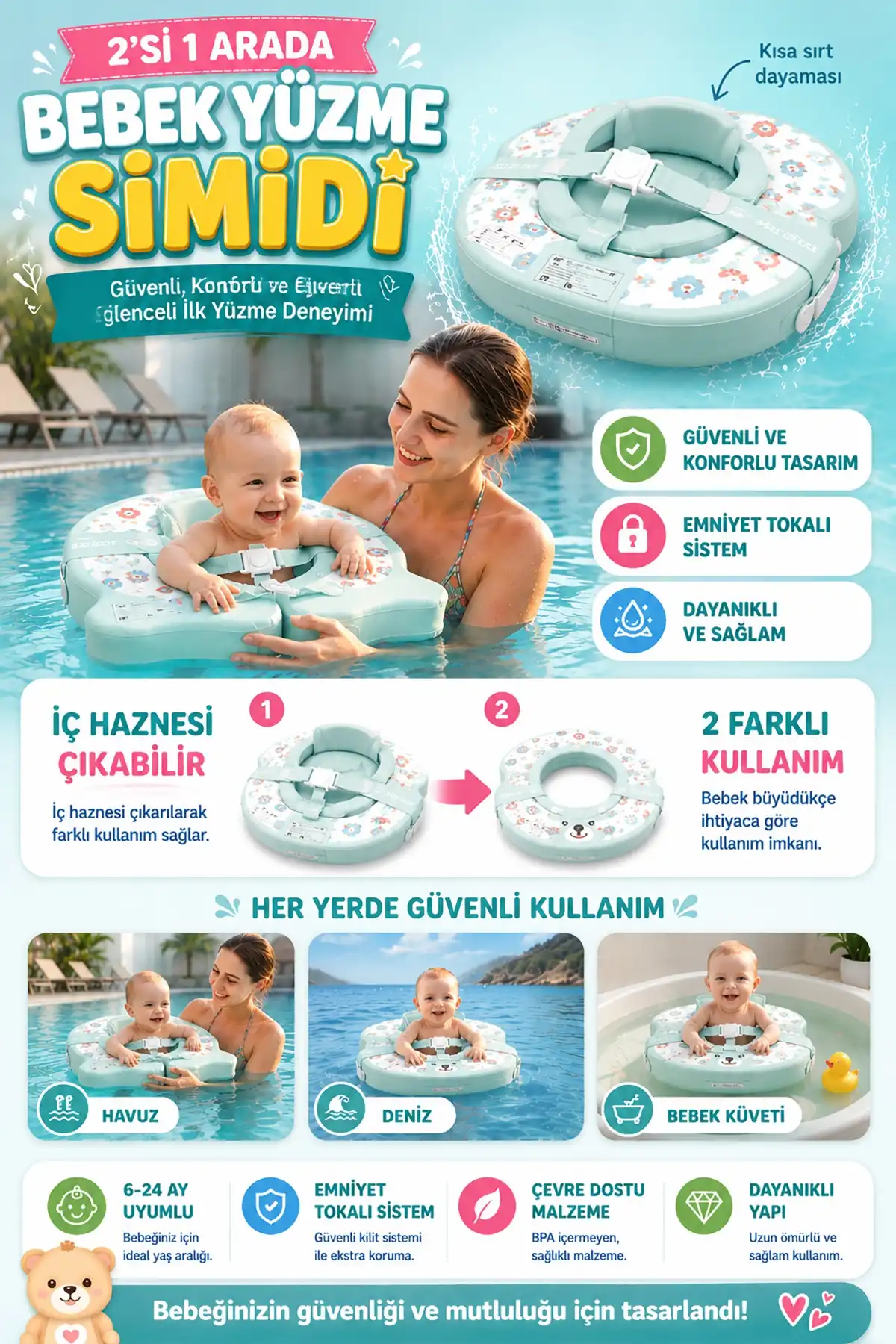
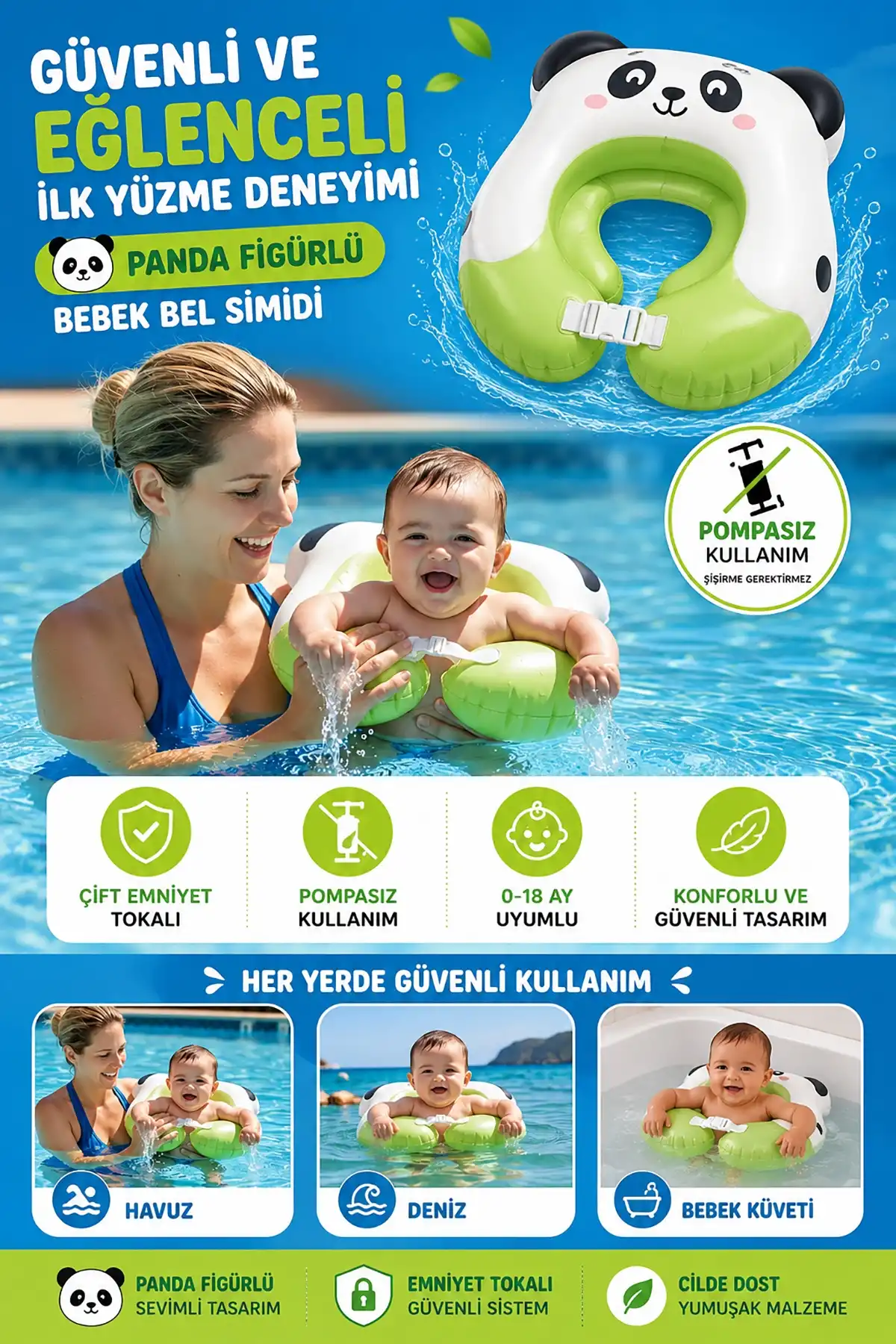
A swim ring, armbands, or similar support products can help children get accustomed to the water. However, it should not be forgotten that none of these products can replace a life jacket. Inflatable products should only be used as auxiliary equipment, and children must be under parental supervision.
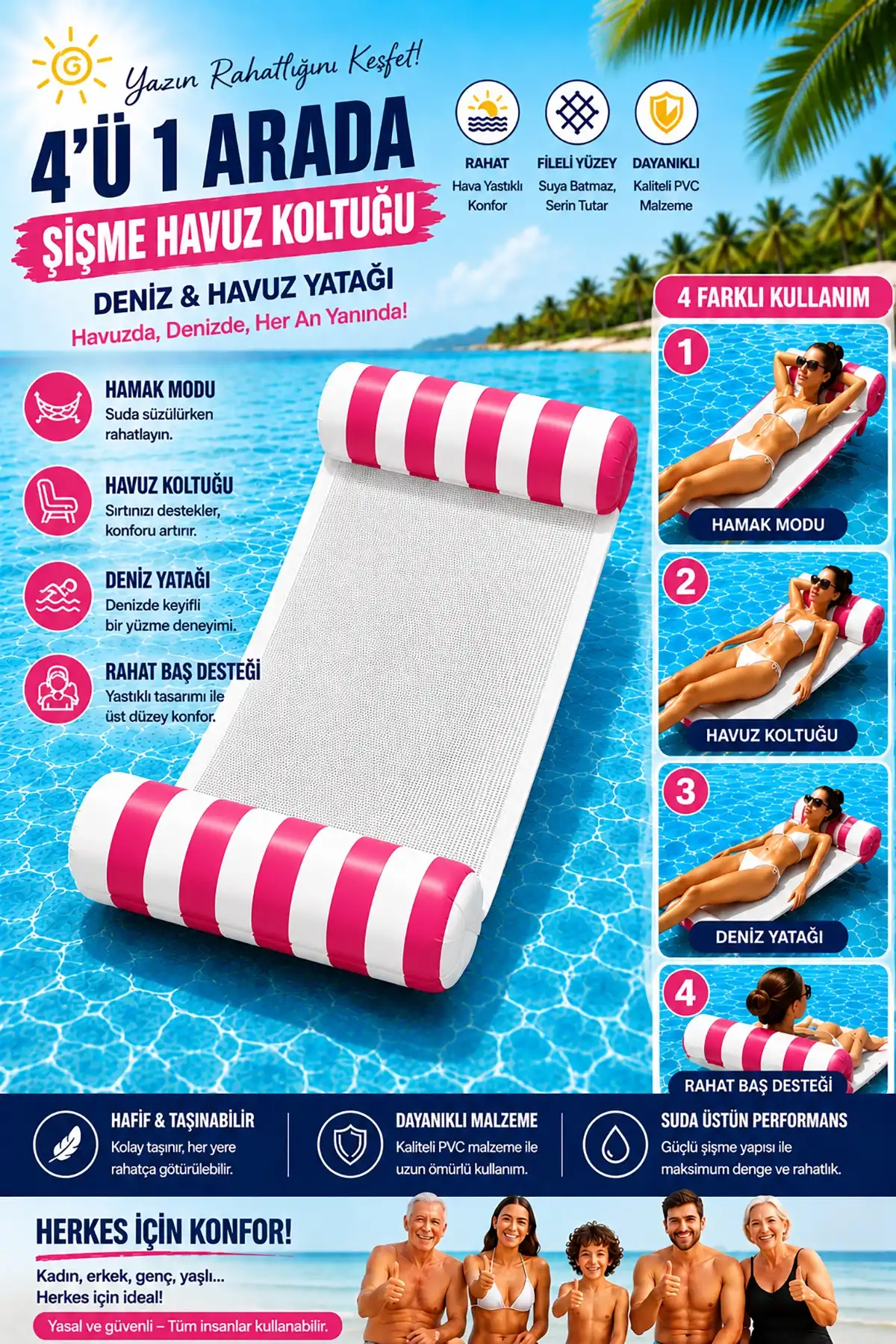
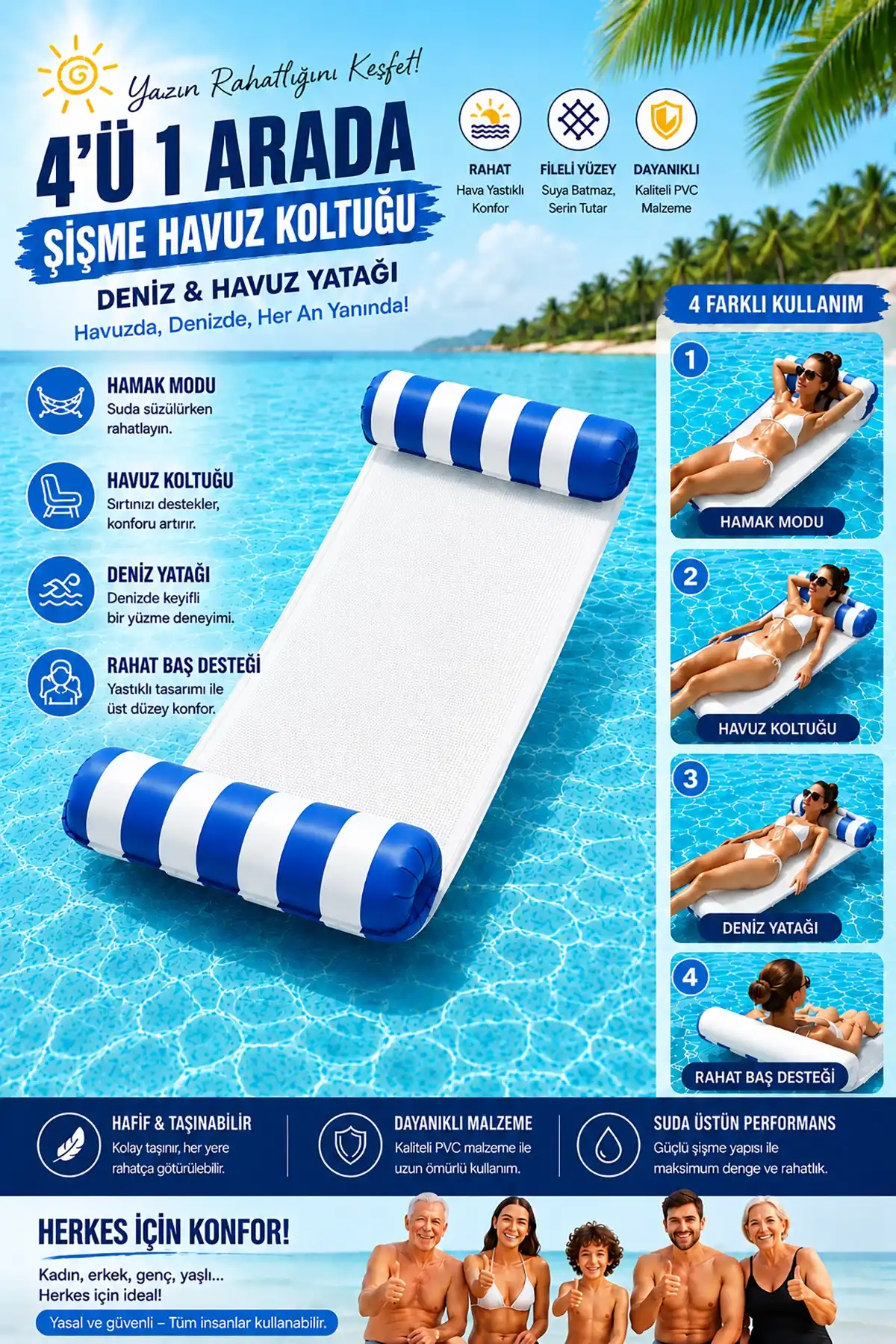
Quality is very important when selecting products for the pool. Products made from thick PVC material, with sturdy air chambers, and suitable for the age group should be preferred. Poor quality products may have a higher risk of air leakage or deformation.
The swim ring must be appropriate for the child's age and weight. Products that are too large can make balancing difficult, while those that are too small may not provide comfortable use. Paying attention to the age and size information on the product is important for safety.
Pool edges can often be slippery because they are wet. The importance of not running should be explained to children before starting any games. Slipping and falling is one of the most common accidents encountered in the summer.
Protection from the sun is also an important part of pool safety. Especially during the midday hours, when the sun’s rays are more direct, it is recommended that children do not stay under the sun for long periods. Using a hat, UV-protected sunglasses, and sunscreen suitable for children will be beneficial.
The time children spend in the pool should be planned according to their age. Staying in the water for too long can cause fatigue and coldness. It is important for them to take breaks from the water at regular intervals to rest and hydrate.
Pool toys not only provide fun but also support physical activity. Ball games, swim rings, and other water toys encourage children to be active. However, the toys used should not have sharp edges and should be appropriate for the age group.
Inflatable products should always be checked before use. Products that are leaking air, worn out, or punctured should not be used in the pool. After use, products should be rinsed with freshwater, thoroughly dried, and stored in a cool place.
Pool hygiene is also important for children's health. Showering before entering the pool contributes to keeping the pool water clean. Additionally, showering after exiting the pool helps in removing residual chlorine from the skin.
ToyFlyer’s children's swim rings and pool products aim to provide safe and enjoyable use during the summer season with their quality materials and fun designs. With the correct product selection and parental supervision, children can safely enjoy the water throughout the summer.
It should not be forgotten that a safe pool experience is only possible not only with the right equipment but also with conscious usage habits. With small precautions, children can safely make the best memories of their summer holiday.
Frequently Asked Questions (FAQ)
Can children play in the pool alone?
No. Even if children know how to swim, they should always be under adult supervision in the pool.
Can swim rings replace life jackets?
No. Swim rings are auxiliary floatation products and cannot replace life jackets.
How should pool toys be cleaned?
After use, they should be rinsed with freshwater, completely dried, and stored in a place away from sun exposure.
How long should children stay in the pool?
The duration can vary based on age, air temperature, and the child's condition. It is recommended that they take regular breaks from the water to rest and hydrate.
How durable are inflatable pool products?
Products made from quality PVC material can be used safely for a long time with proper use and regular maintenance.
- Why Doesn't the Foam Gun Produce Foam? Troubleshooting and Proper Use Guide
- What is Ring Toss Water Game? Timeless Toy that Enhances Children's Attention and Hand-Eye Coordination
- What is a Bubble Gun? How to Use It? | Fun Summer Toy Guide | ToyFlyer
- The Most Fun Outdoor Games for Children to Play During Summer Vacation
- The Most Fun Gift Toys for Children: Water Game
- Why Is Dental Health Important in Children? 5 Reasons to Protect Milk Teeth
- How to Encourage Your Child to Brush Their Teeth? Fun Solutions