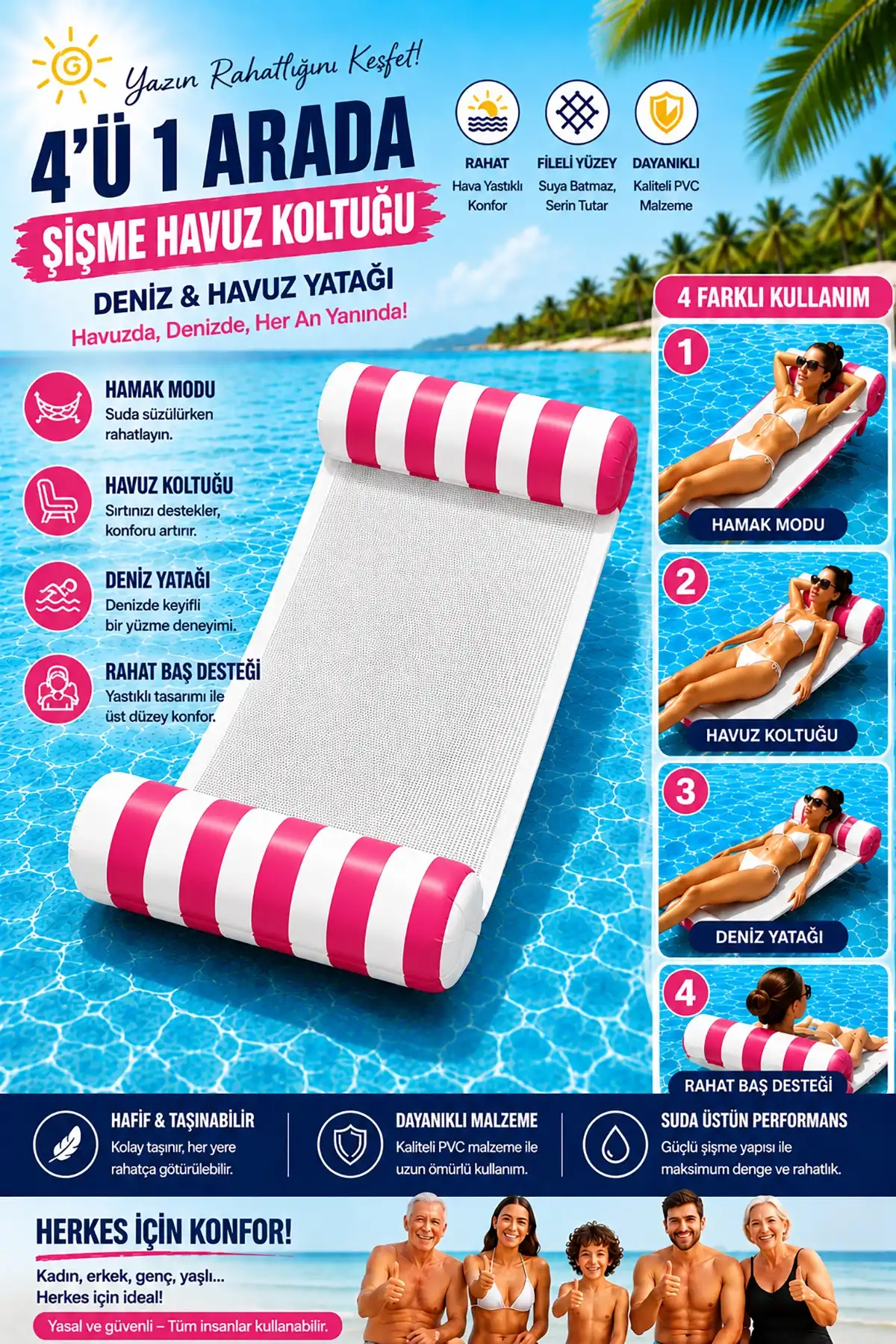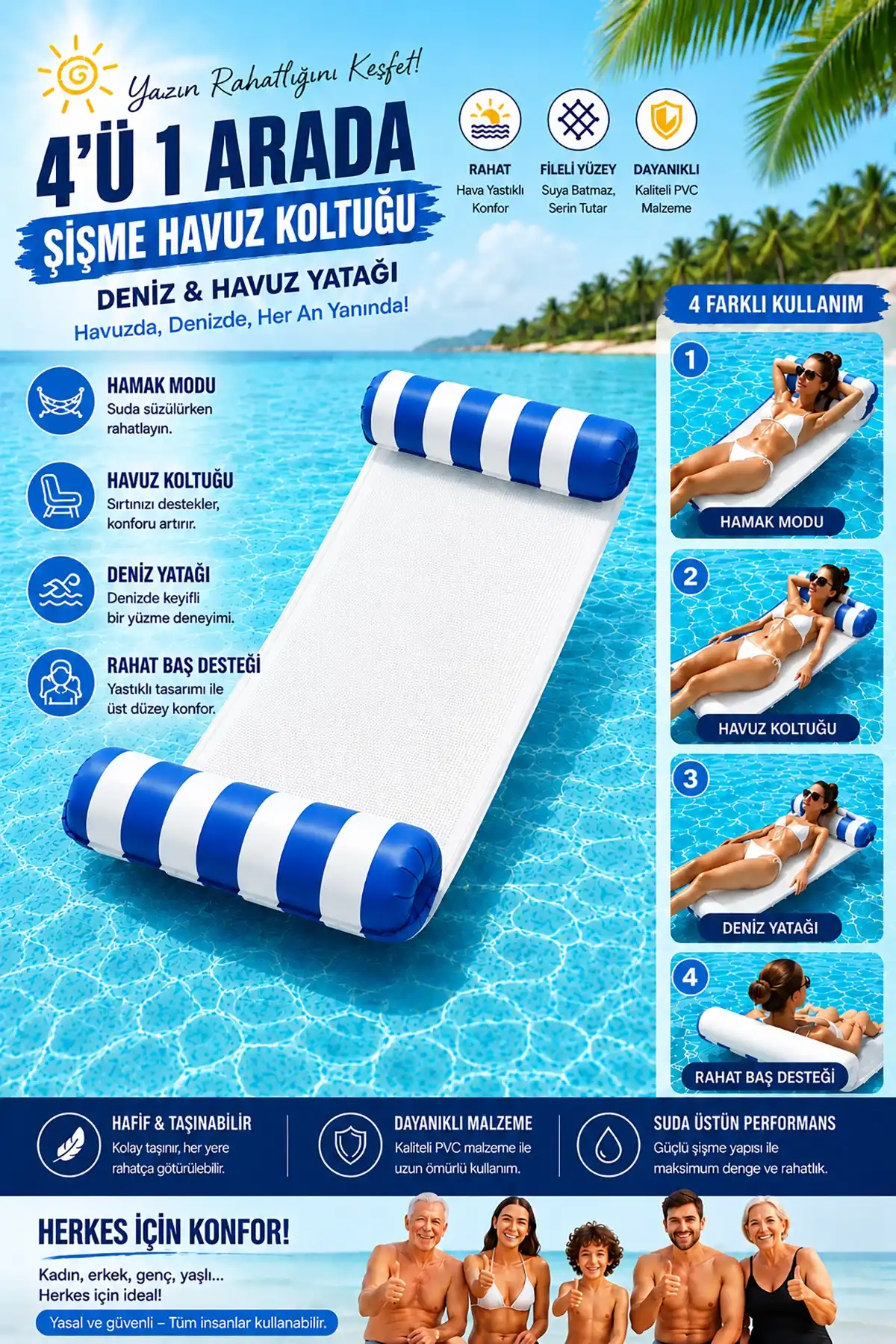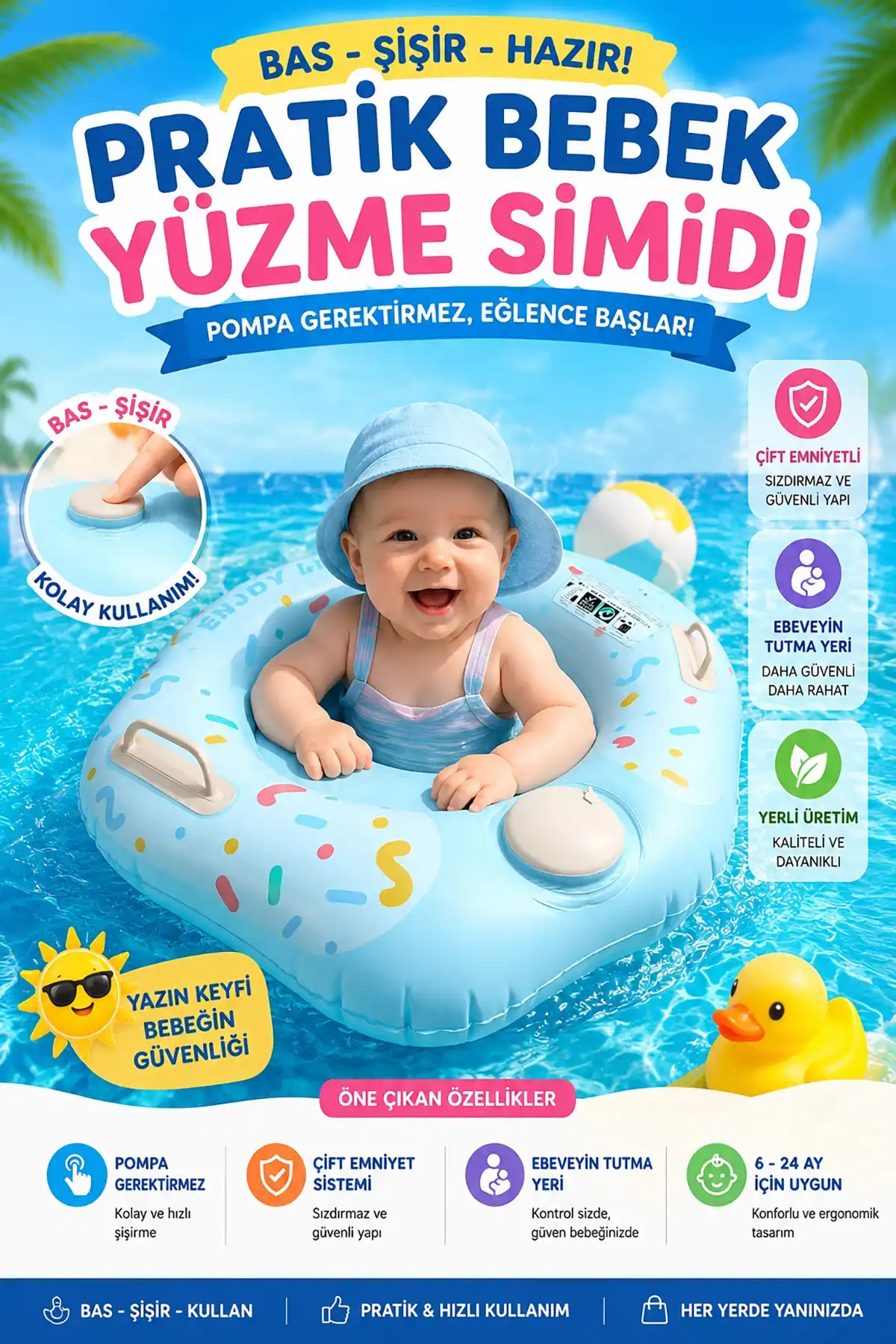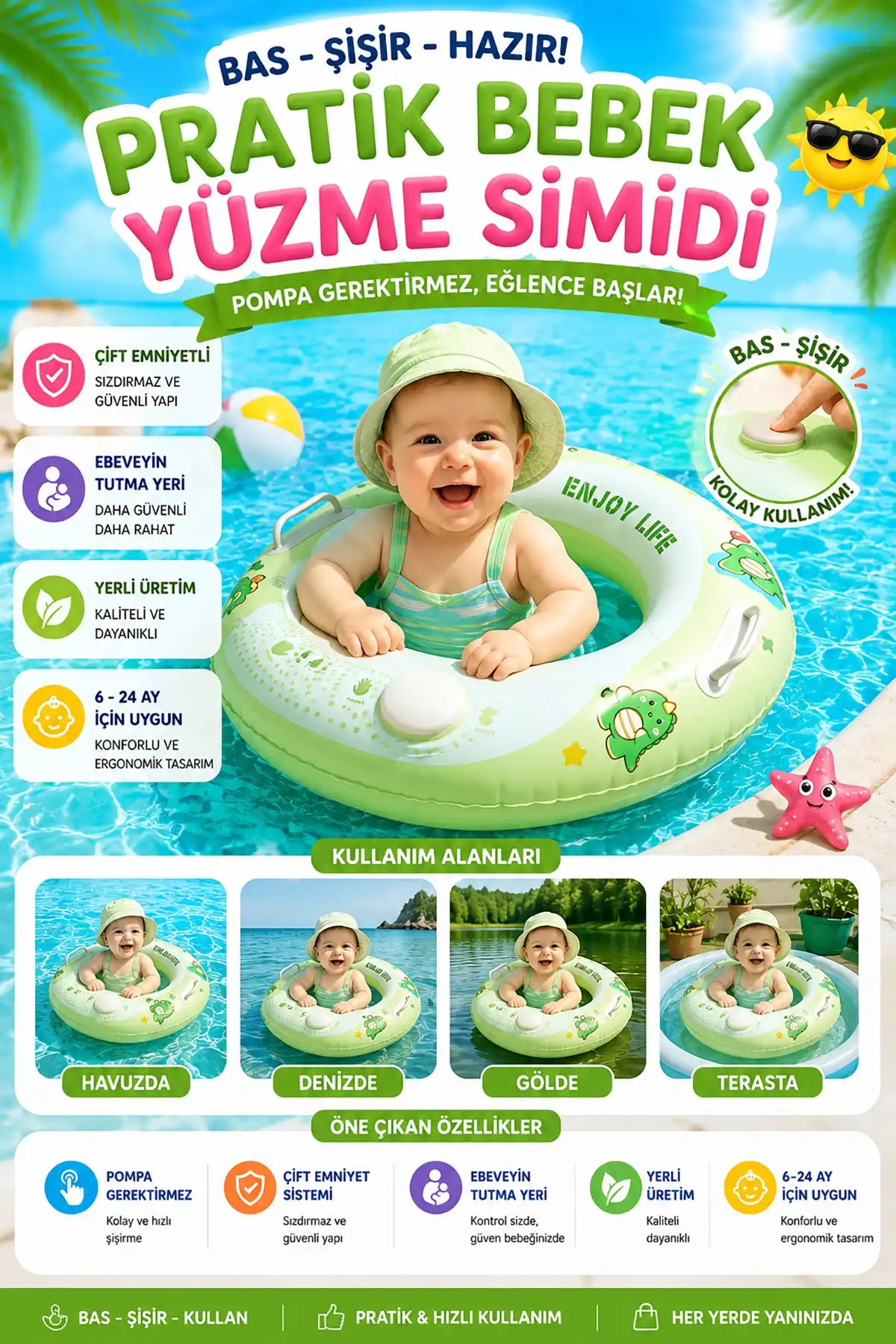

Safe Summer Holiday with Sea and Pool Toys | {xxx_cvt_txt}

- How Do Sea and Pool Toys Enrich the Summer Holiday?
- Most Popular Sea and Pool Toys for Children
- How to Choose Age-Appropriate Sea and Pool Toys?
- Why is Material Quality Important in Product Selection?
- How Should Adult Supervision Be Conducted at Sea and Pool?
- Differences in Safety Between Sea and Pool
- Sun Protection is Part of Summer Safety
Safe Summer Holiday with Sea and Pool Toys
How Do Sea and Pool Toys Enrich the Summer Holiday?
Summer months are when children spend more time outdoors and are physically more active. Sea, pool, beach, and garden environments provide children with different play opportunities. Well-chosen sea and pool toys transform these areas from just cooling points into fun play environments.
Water toys can support children's hand-eye coordination, balance skills, and mobility. Activities like throwing a ball, hooping, squirting water, or maintaining balance with a swimming ring ensure the use of various motor skills during play.
Additionally, family involvement in games contributes to children's social communication and cooperation. However, safety is as important as fun. No toy used in water environments can replace adult supervision or swimming skills.
Most Popular Sea and Pool Toys for Children
Sea and pool products have a very broad category. Each product addresses different age groups, usage areas, and gameplay purposes.
Children's Swimming Rings
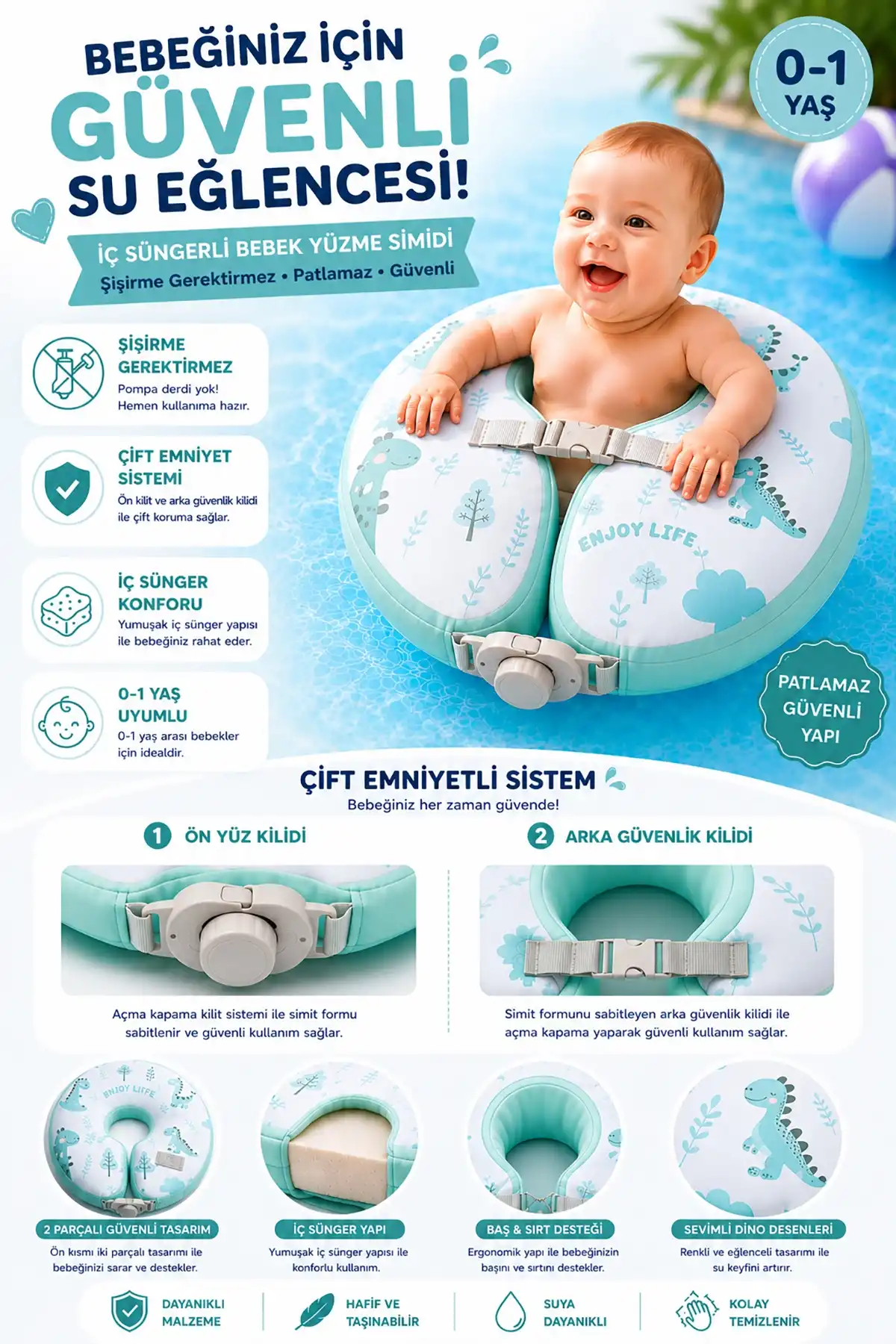
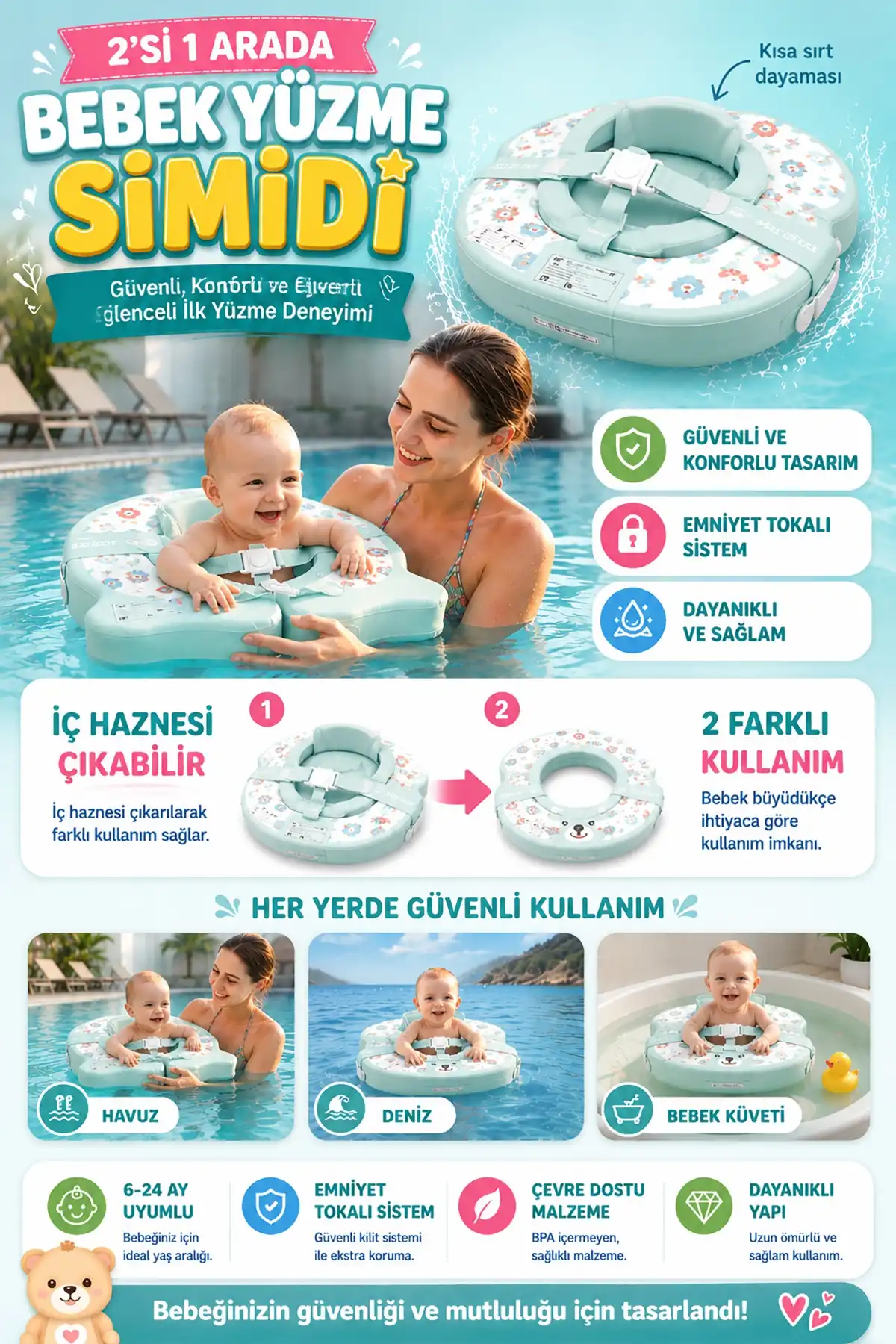
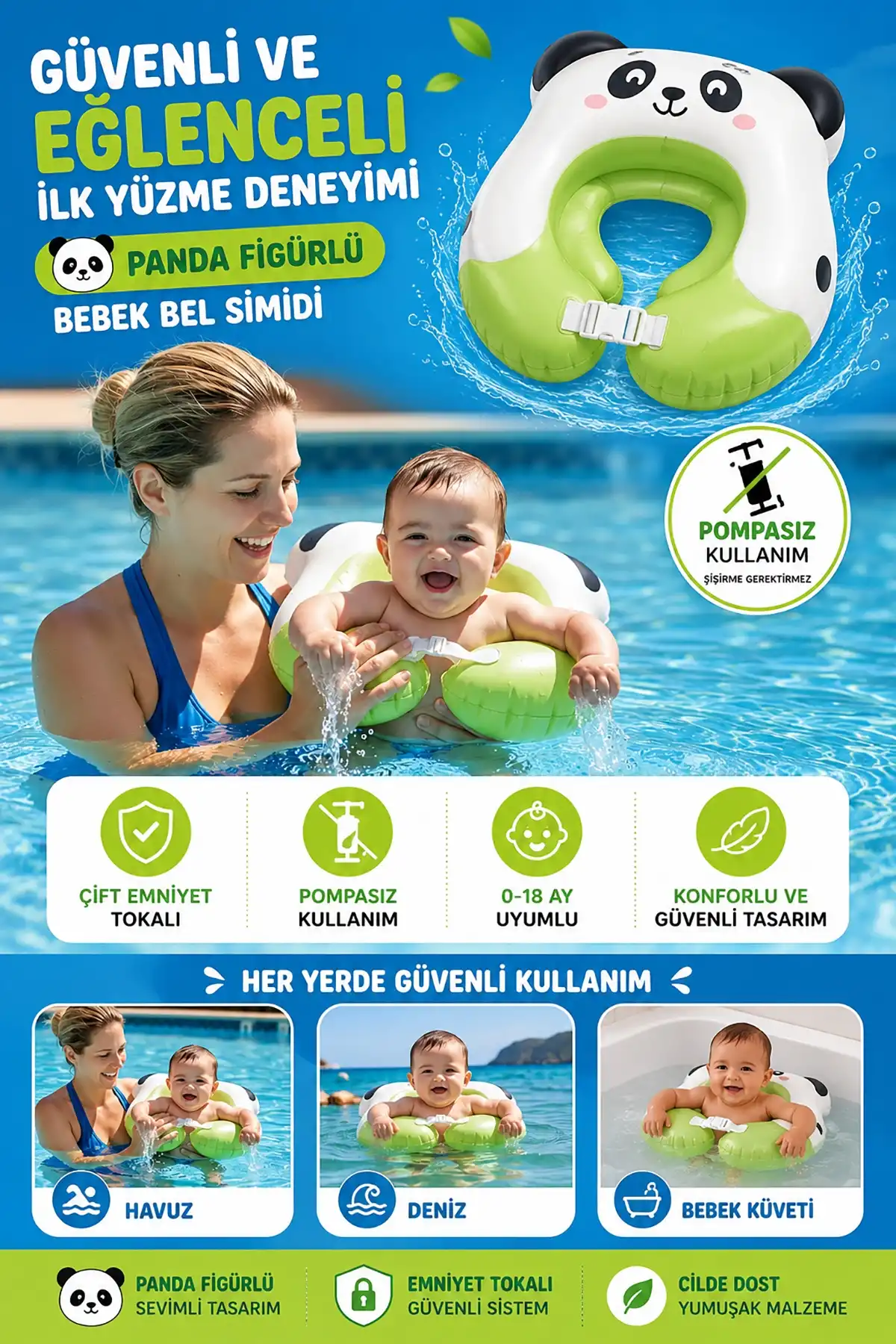
Children's swimming rings can make the process of getting to know the water more enjoyable for younger age groups. Different models are available in various diameters, designs, and suitable for different age groups.
When selecting a ring, it should be suitable for a child's weight, age, and body structure. A very wide ring may cause the child to slip through, and a very tight model may cause discomfort.
Swimming rings are purely toys for play and support purposes. They should not be considered as life jackets and continuous adult supervision is necessary, even when the child is in the ring.
Inflatable Arm Bands
Inflatable arm bands are among the products that help children move their arms more easily in water. They should be chosen according to the child's arm size and both bands should be checked for proper inflation.
The air valves of the armbands should be checked before use, ensuring there are no leaks or tears. They should not be inflated excessively to the point of squeezing the child's arm, nor should they be left too loose as to come off easily.
Beach Balls
Beach balls are one of the most active summer toys that can be used both in the pool and on the beach. They are suitable for throwing, catching, and team games.
Selecting a ball of appropriate size for the child's age is important. For younger children, lightweight and large-diameter models are easier to control. Children should be instructed not to run due to slippery surfaces when playing with balls by the poolside.
Ring Toss and Target Games
Ring toss water games are fun products that support attention and hand-eye coordination. Different models can be played in the water or by the poolside.
In such products, small part warnings should be checked, and options suitable for the child's age group should be preferred. If the game area is crowded, care should be taken not to hit other children with the rings or target parts.
Water Guns and Foam Guns
Water guns and foam guns are popular products in outdoor games during summer. However, these toys should not be aimed directly at the face, eyes, or ears.
The solution used in foam guns should be suitable for children's toys and the usage instructions on the product packaging should be followed. For battery-operated models, it should be ensured that the battery compartment is closed and does not come into contact with water.
Inflatable Animals and Ride-On Products
Inflatable sea animals and ride-on pool toys are large products that attract children's attention. However, these toys can pose risks in open sea due to wind, current, and loss of balance.
Ride-on inflatable products should be used as much as possible in shallow, controlled areas where an adult can easily reach. Children's access to the sea with inflatable toys should not be allowed in windy conditions.
How to Choose Age-Appropriate Sea and Pool Toys?
Every age group's physical skills, attention span, and approach to water are different. Therefore, toy selection should be made according to not only the child's age but also their developmental level.
Products Suitable for Ages 1-3
In this age group, simple, large-parted, and easy-to-grasp products should be preferred.
Suitable options include:
- Small and shallow inflatable pools
- Soft beach balls
- Simple water fill toys
- Age-appropriate baby swimming rings
- Shaded pool products
can be included.
Children should never be left alone in water during this period.
Products Suitable for Ages 3-6
Children in this age group enjoy active and imaginative games.
Products that may be preferred:
- Water guns
- Foam guns
- Ring toss games
- Beach sand sets
- Inflatable balls
- Children's swimming rings
Products should be checked for small parts.
Products Suitable for Ages 6 and Up
Older children may be interested in competition, target, and team games.
In this age group:
- Water basketball sets
- Target games
- Large beach balls
- Ride-on inflatable toys
- Diving toys
- Throwing and catching games in the water
can be preferred.
A child's ability to swim does not eliminate the need for supervision in sea and pool environments.
Why is Material Quality Important in Product Selection?
Sea and pool toys come into direct contact with sun, water, salt, chlorine, and temperature changes. Therefore, the material quality affects the product's lifespan and safety.
In a quality product, the following features can be considered:
- Strong weld points
- Valves that do not open easily
- Non-sharp edges
- Presence of age and usage warnings
- Durable plastic or PVC material
- Distinct product measurements
- Presence of repair patches
- Clear indication of manufacturer and importer information
Inflatable products should be thoroughly inspected before use. A small air leak can cause the product to lose balance when used in water.
How Should Adult Supervision Be Conducted at Sea and Pool?
The most basic rule of water safety is never to leave the child alone. Adult supervision does not merely mean watching from afar. Especially for young children, the adult should be within easy reach.
Involvement with phones, reading books, or being preoccupied with another child for a long time can interrupt supervision. In crowded family groups, the "someone else will watch" thought can pose a risk. Therefore, it should be clearly determined which adult will watch the child.
Even if pool and sea toys help a child stay afloat, air leakage, tipping, or slipping can occur. Therefore, toy use should not reduce safety precautions.
Differences in Safety Between Sea and Pool
Although sea and pool seem like the same kind of play environments, they have different risks.
What to Pay Attention to at Sea
At sea:
- Wave
- Current
- Wind
- Depth variation
- Rocky ground
- Sea creatures
- Sudden weather change
such factors may be present.
Inflatable toys can be easily drifted by the wind. Therefore, children should not be allowed to proceed towards open sea with inflatable toys.
What to Pay Attention to at the Pool
At pools:
- Slippery floors
- Suddenly deepening areas
- Hard edges
- Stairs
- Filter inlets
- Crowded usage
such risks stand out.
Children should not run around the pool, and toys should not block the stair or filter area.
Sun Protection is Part of Summer Safety
While spending time with sea and pool toys, sun protection should not be neglected. The surface of the water can reflect sunlight, causing children to be exposed to intense sunlight in a short time.
For a safe summer day:
- Appropriate sunscreen should be applied to the child
- Hats should be worn
- Avoid direct sun exposure during peak hours
- Ensure regular water intake
- Why Doesn't the Foam Gun Produce Foam? Troubleshooting and Proper Use Guide
- What is Ring Toss Water Game? Timeless Toy that Enhances Children's Attention and Hand-Eye Coordination
- What is a Bubble Gun? How to Use It? | Fun Summer Toy Guide | ToyFlyer
- The Most Fun Outdoor Games for Children to Play During Summer Vacation
- The Most Fun Gift Toys for Children: Water Game
- Why Is Dental Health Important in Children? 5 Reasons to Protect Milk Teeth
- How to Encourage Your Child to Brush Their Teeth? Fun Solutions