

Wooden 3D Puzzle and DIY



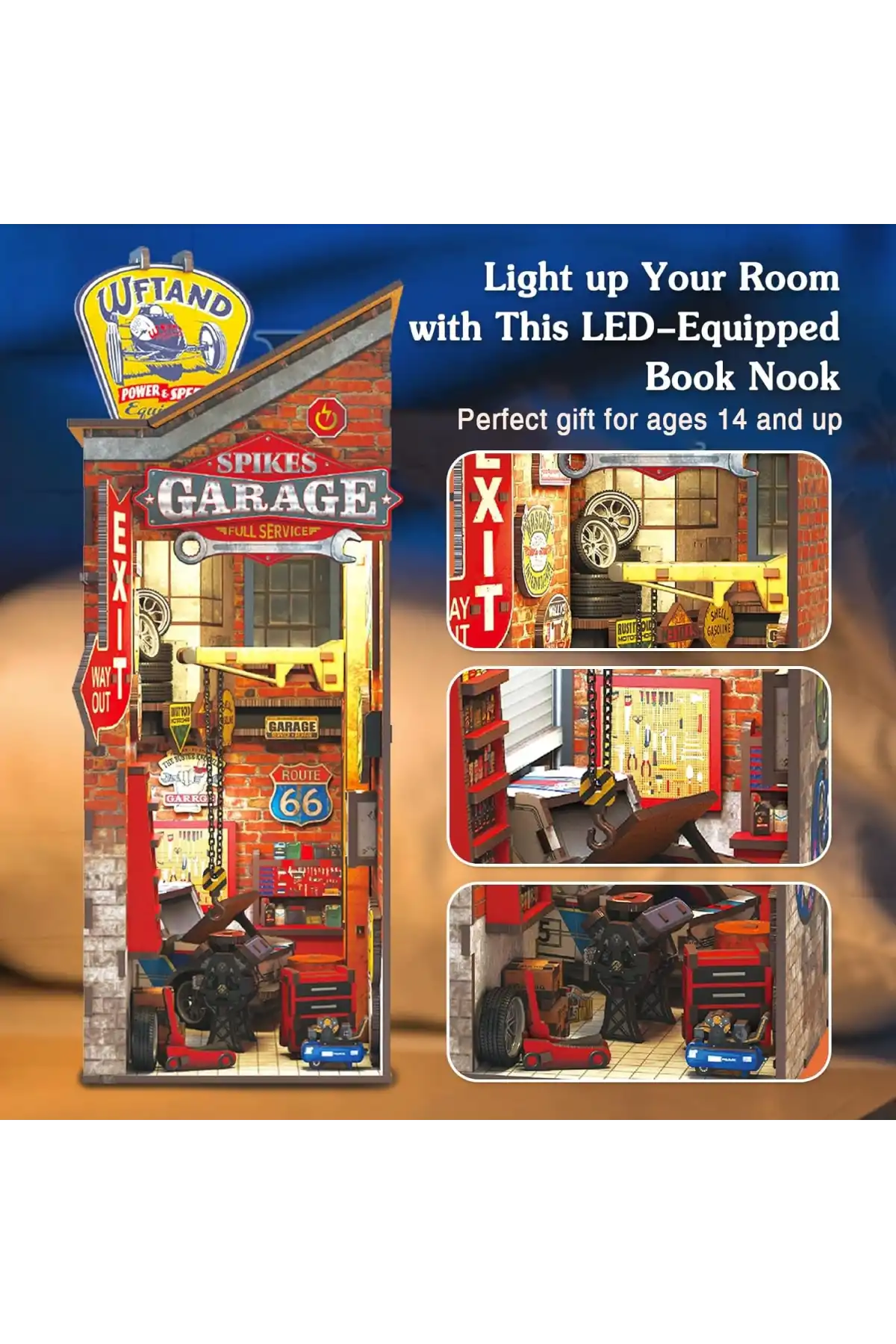
What is a 3D Model Puzzle? An Educational Toy Guide Supporting Children's Mental Development
- What is a 3D Model Puzzle?
- What Do 3D Model Puzzles Provide for Children?
- Supports Problem-Solving Skills
- Supports Dexterity and Fine Motor Development
- Can Enhance Attention and Concentration
- Develops Spatial Thinking Skills
- Imparts Patience and Planning Skills
- An Educational Toy Supporting Imagination
- What to Consider When Choosing a 3D Model Puzzle?
- Why Are Licensed 3D Puzzle Models More Popular?
- How Should 3D Model Puzzles Be Stored?
- A Quality Activity for the Family
- Conclusion
What is a 3D Model Puzzle?
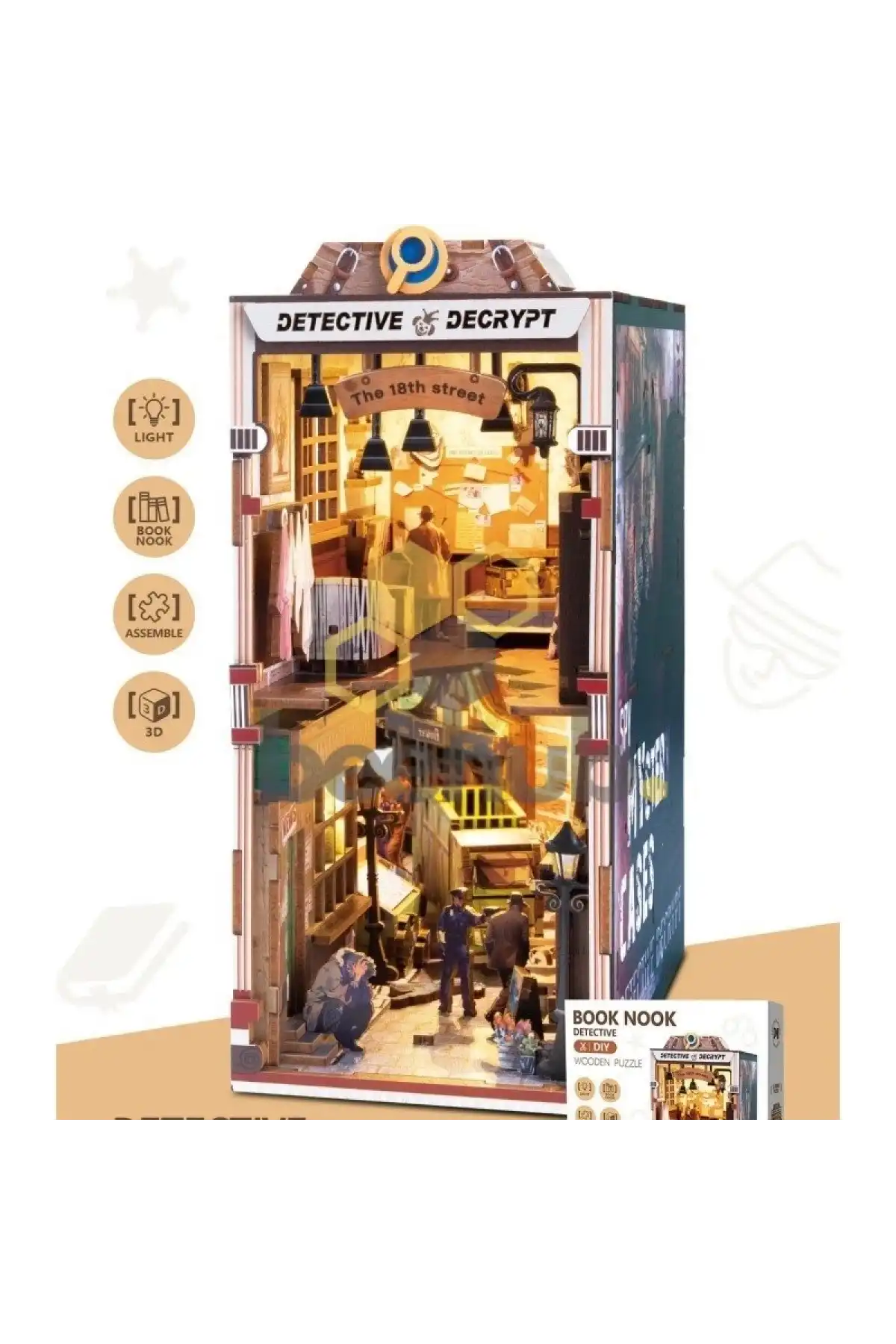
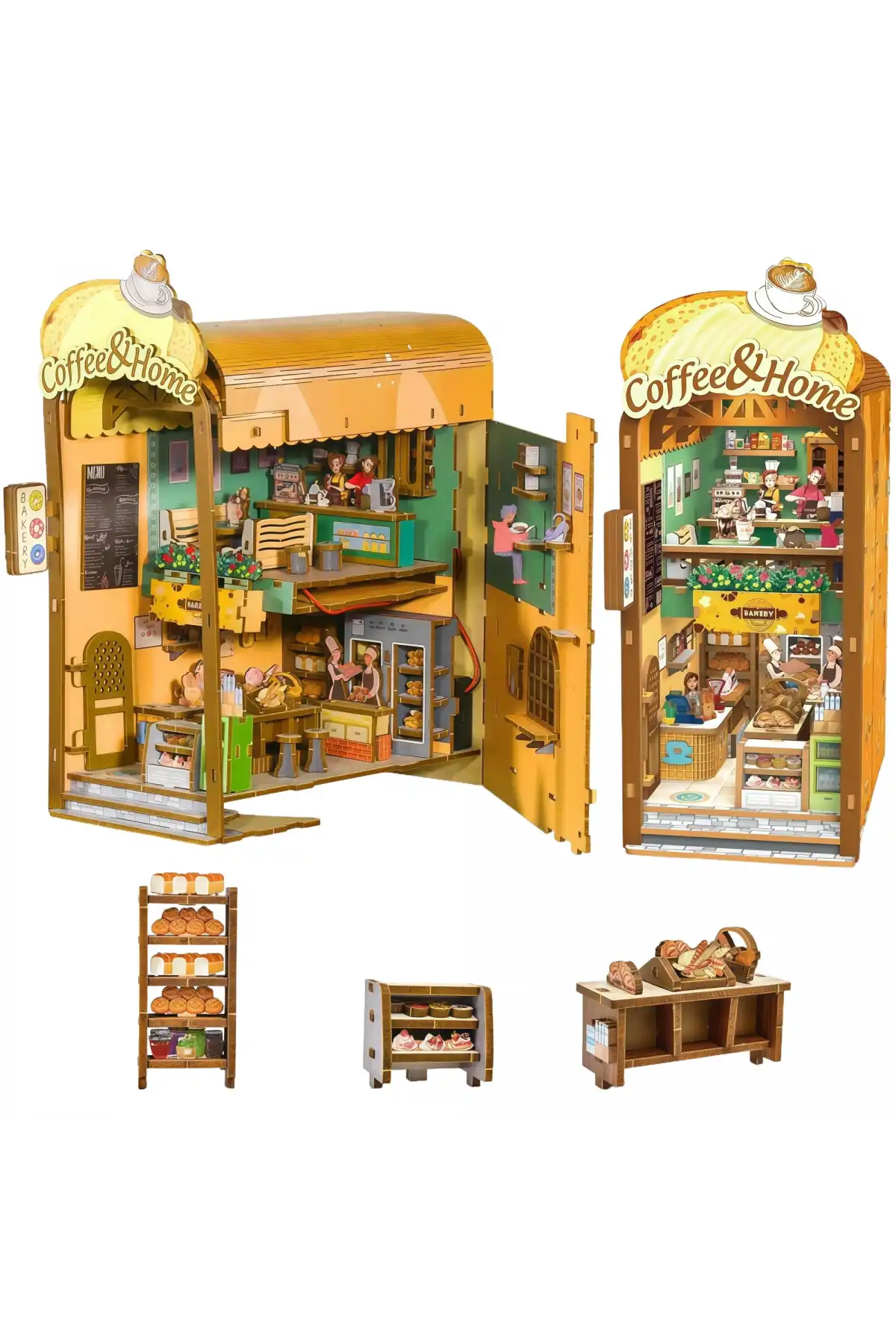
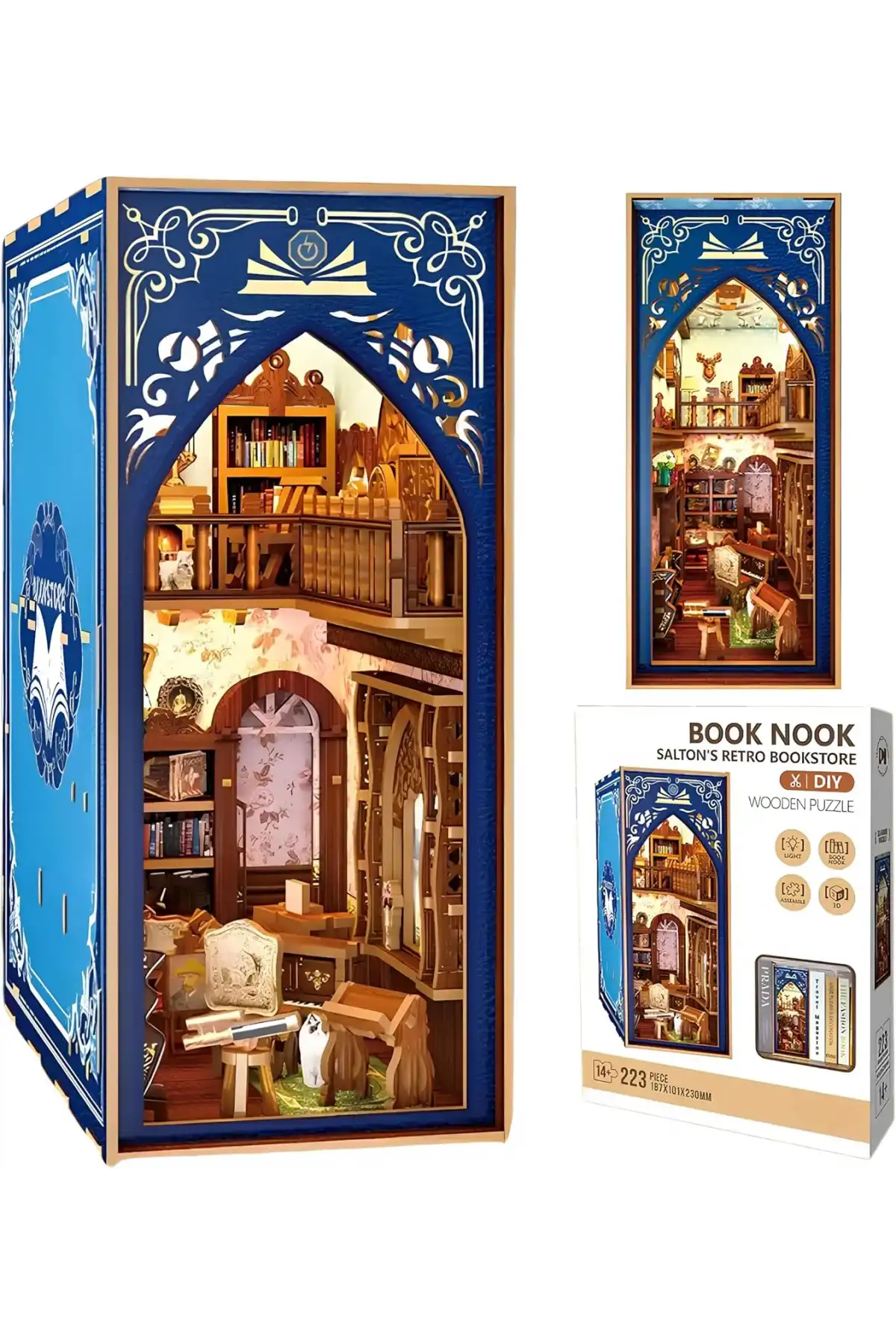
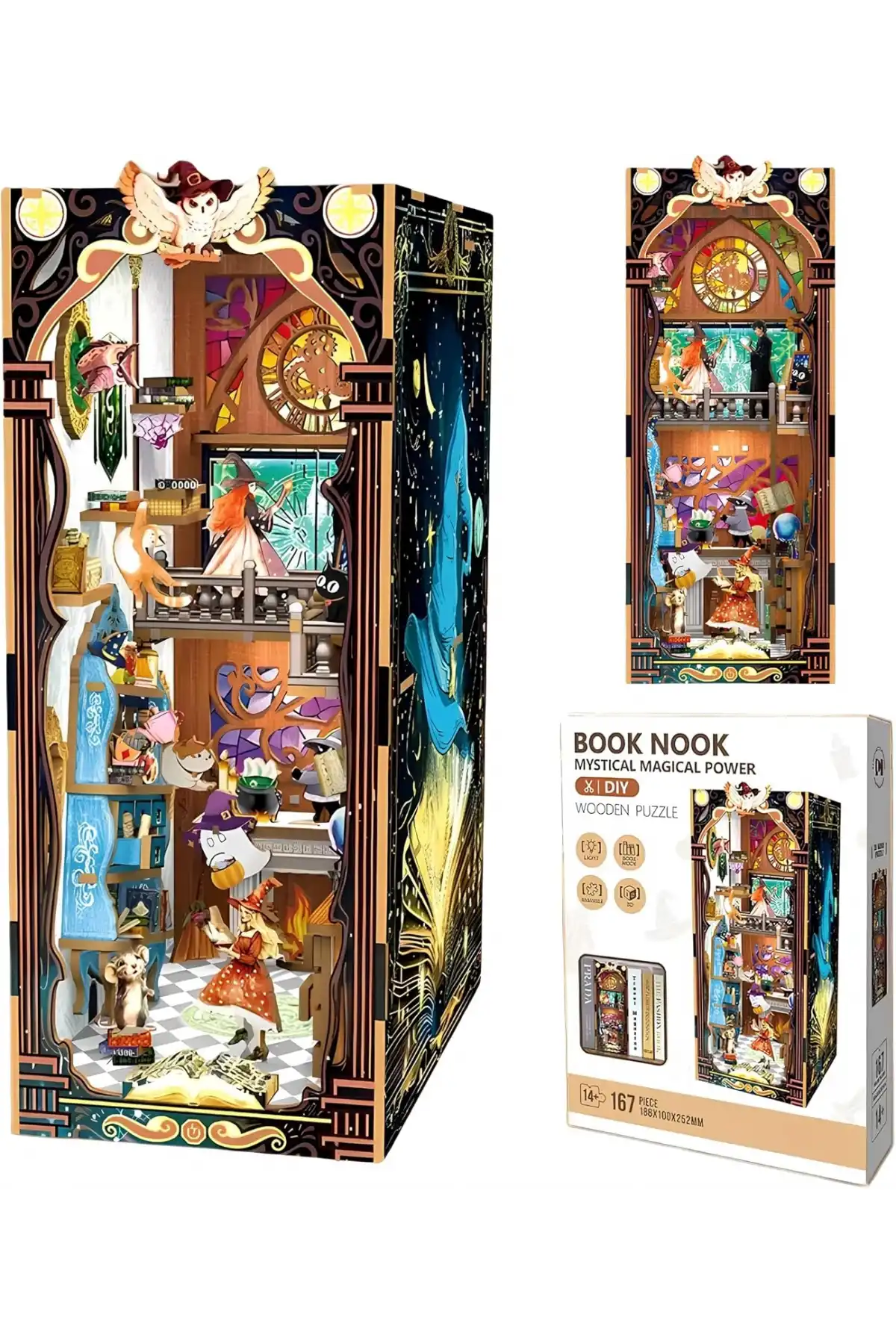
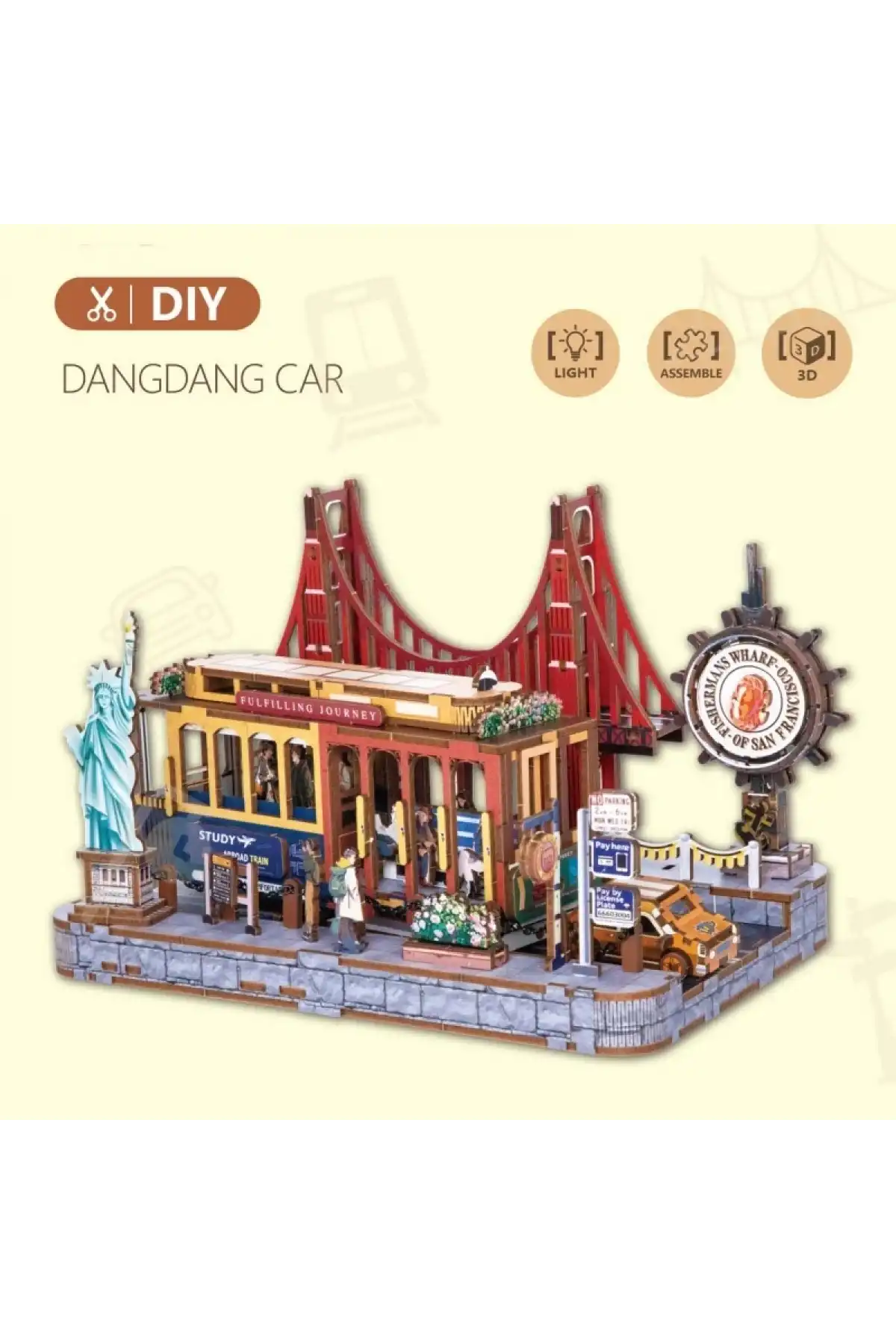
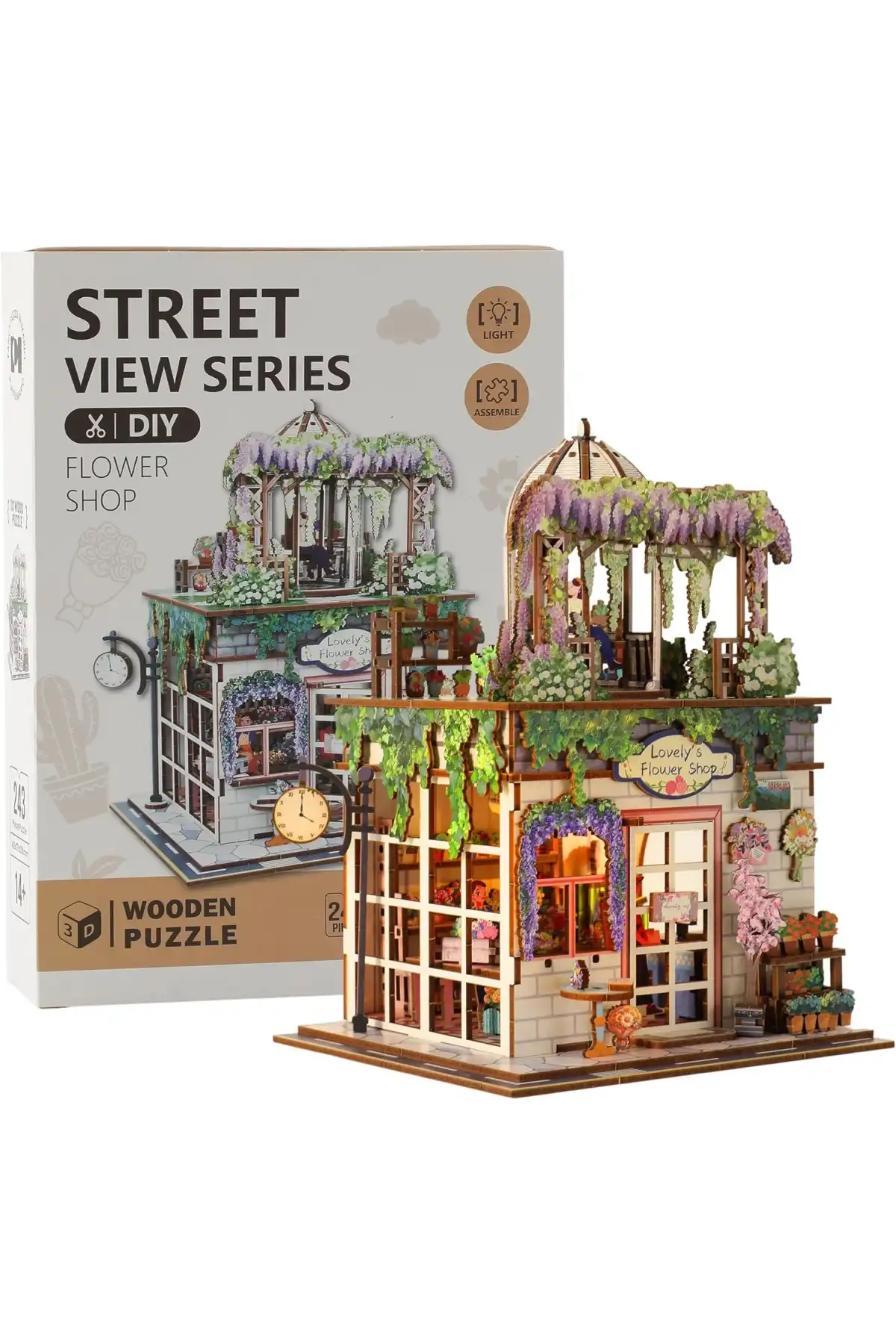
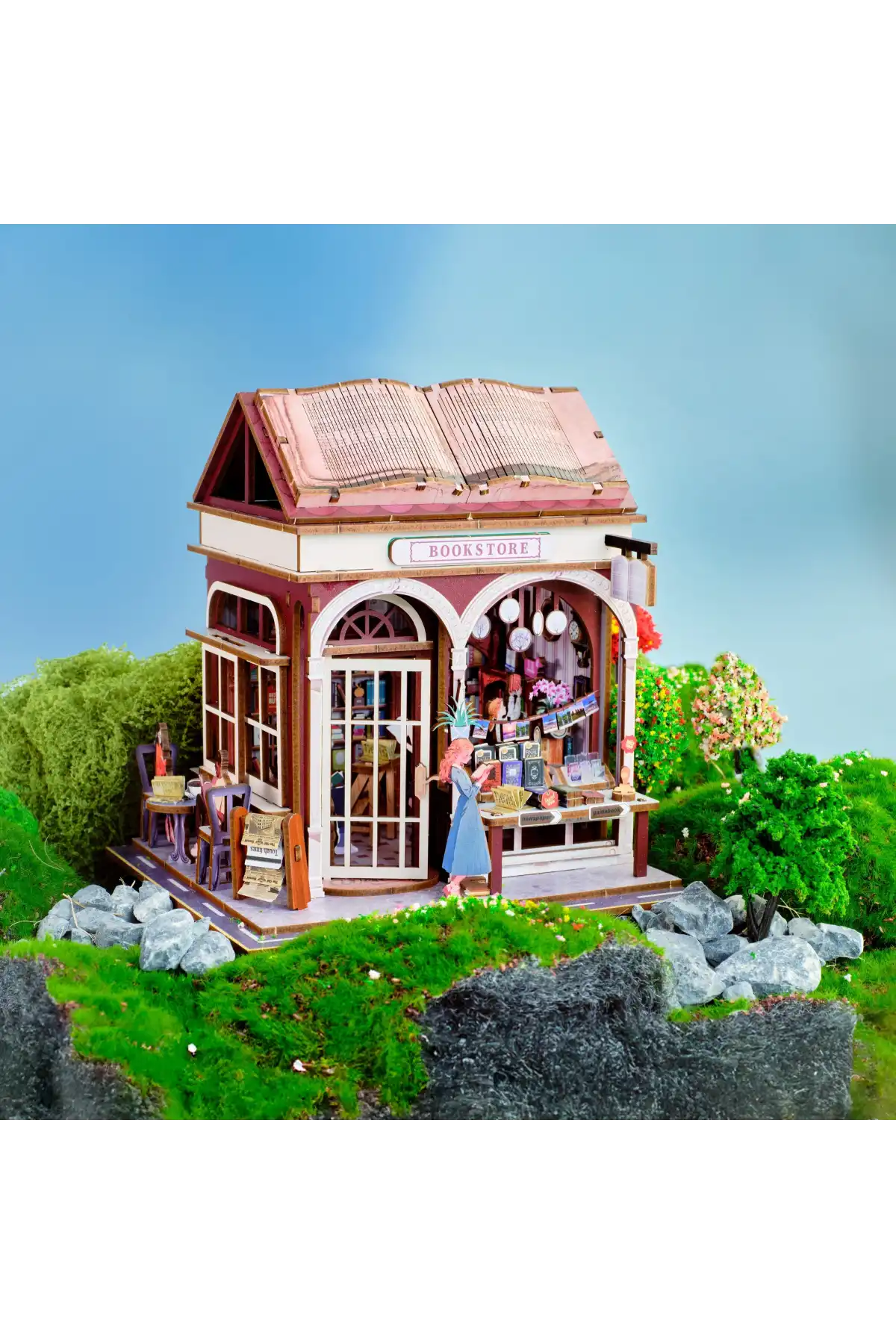
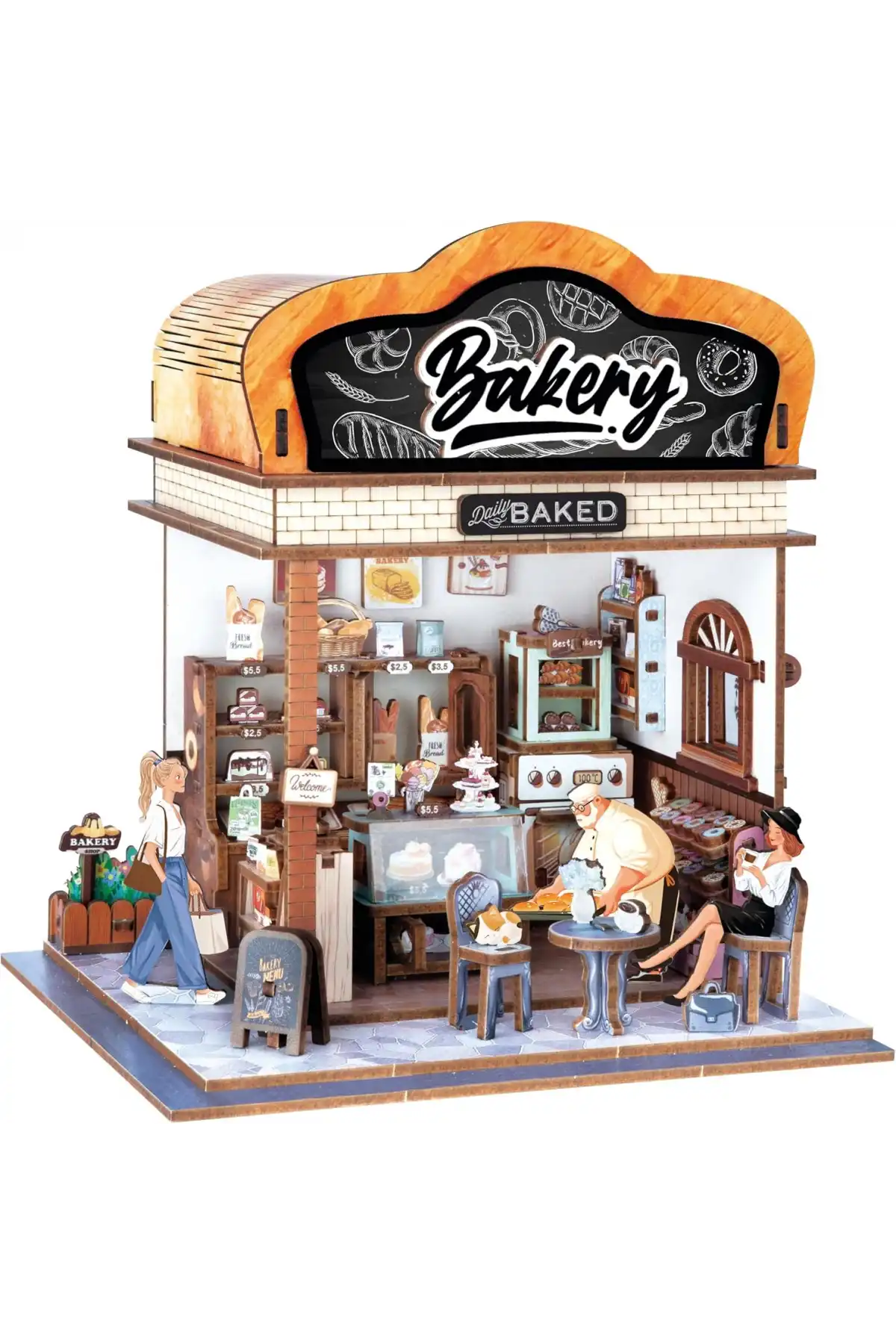
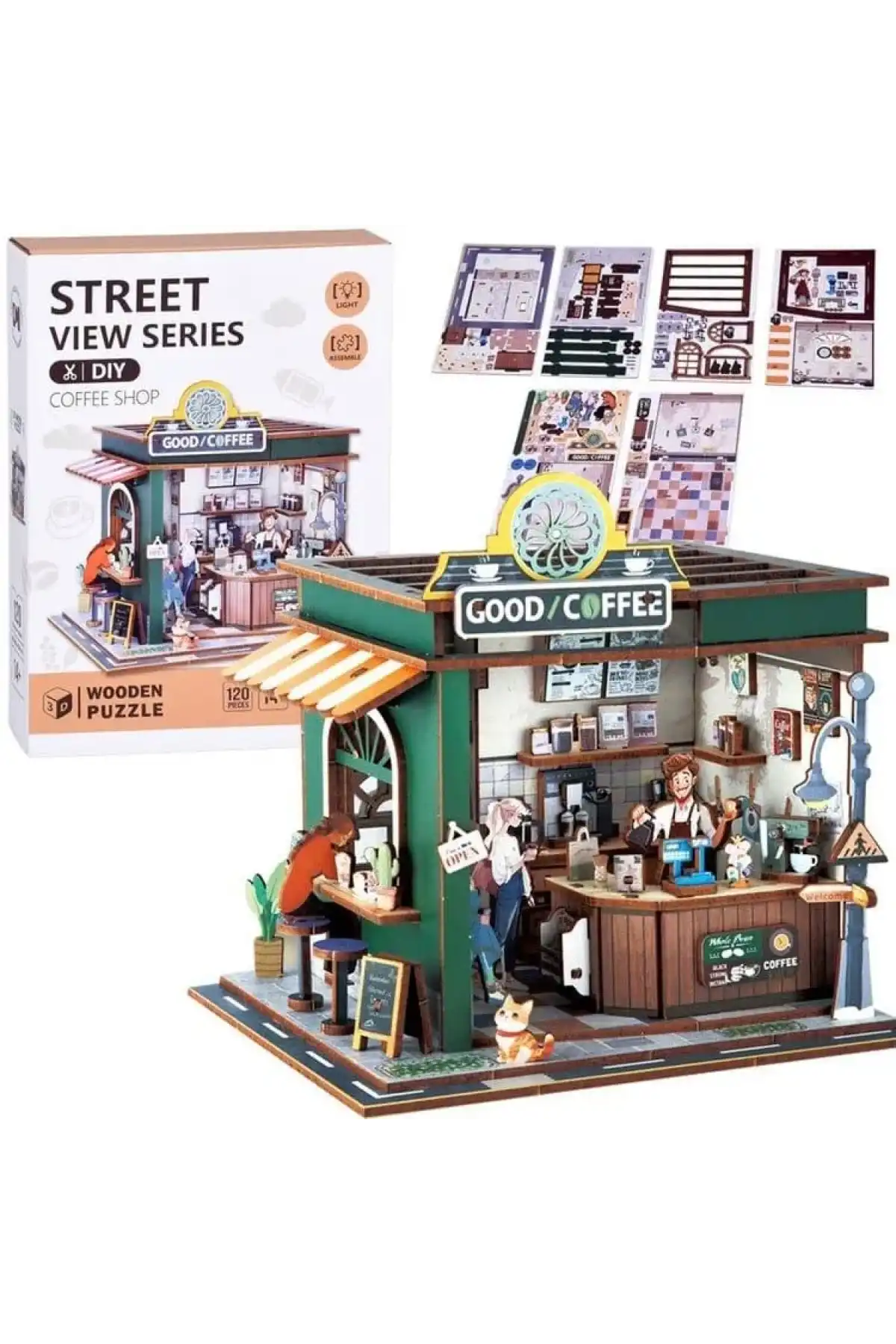
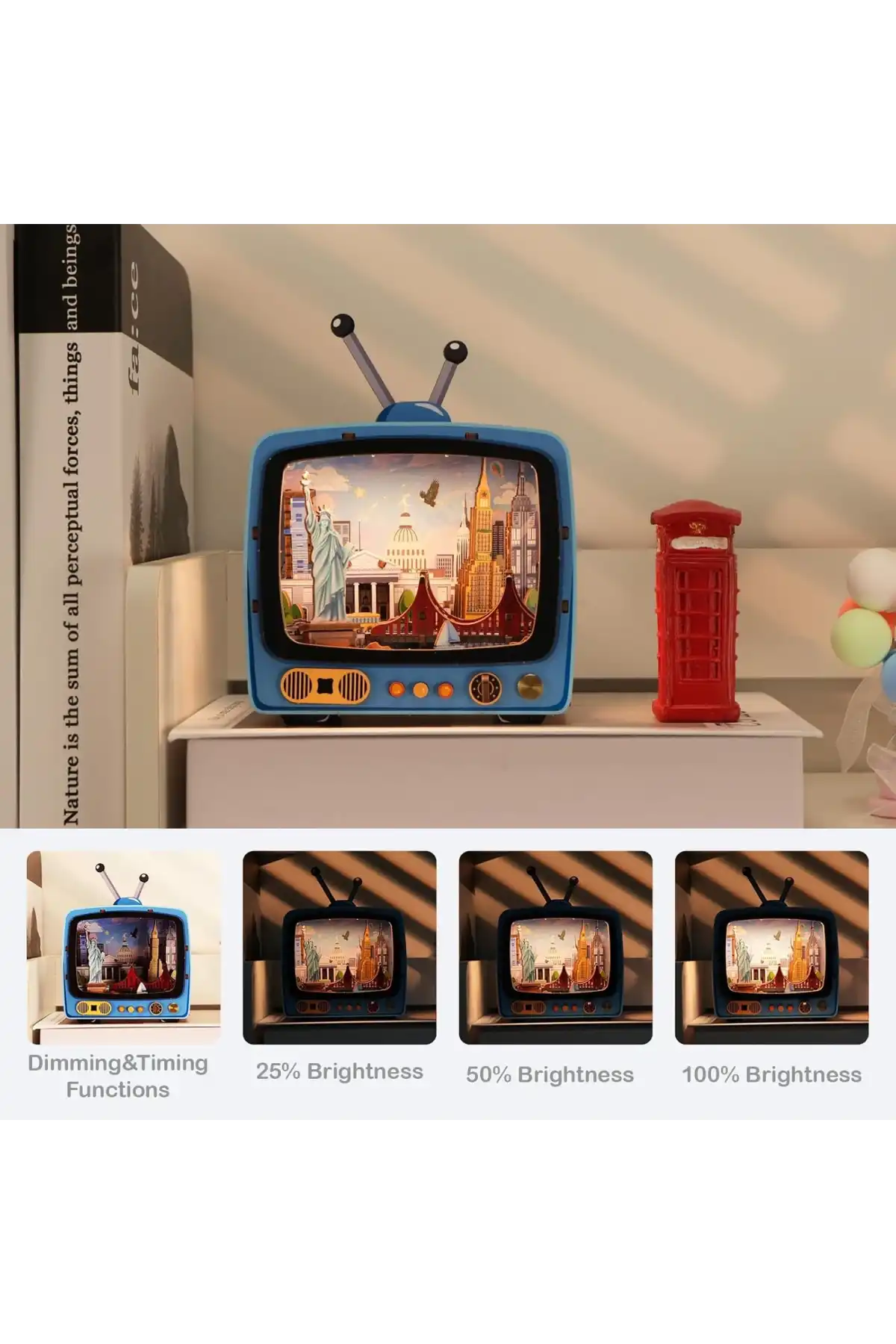
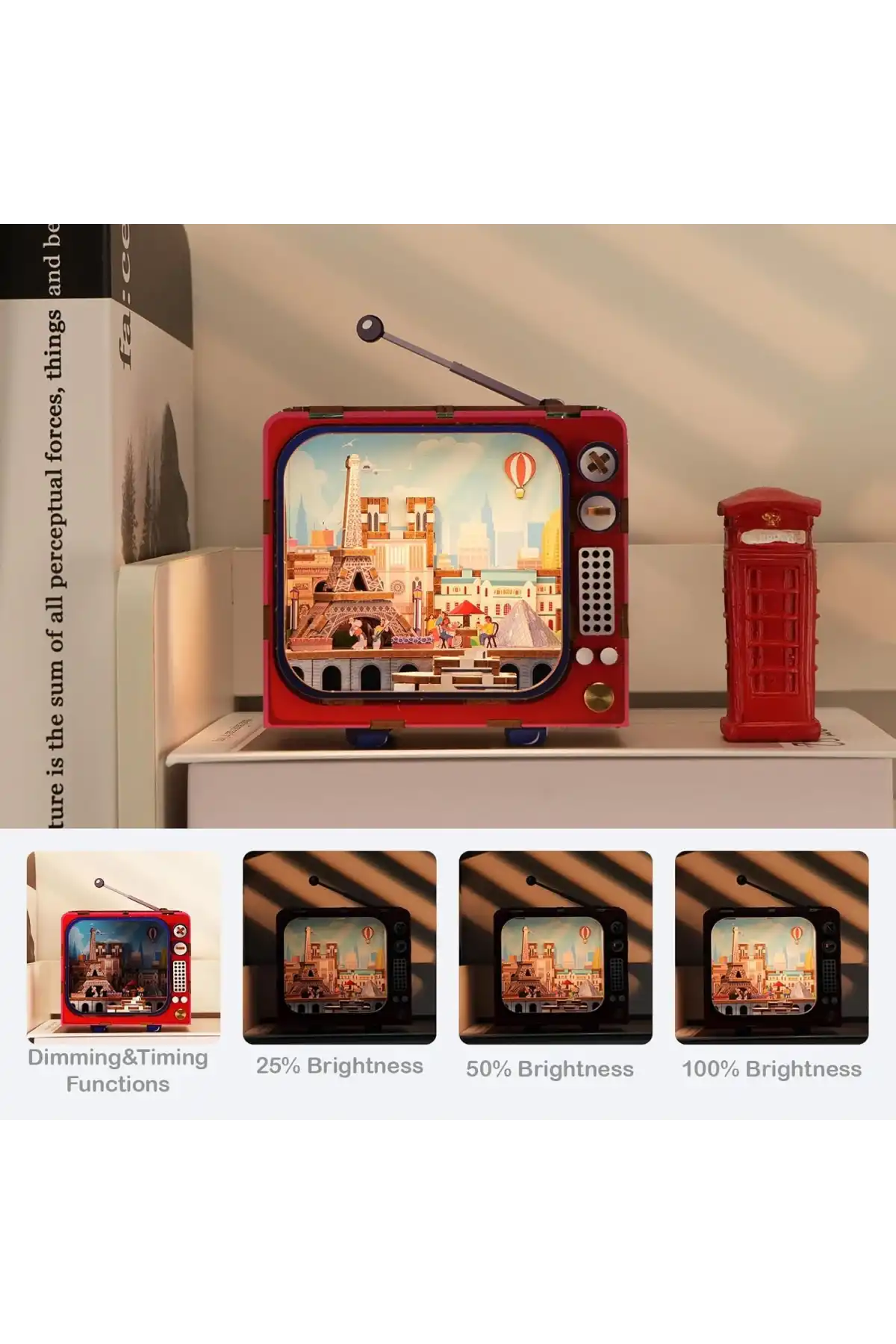
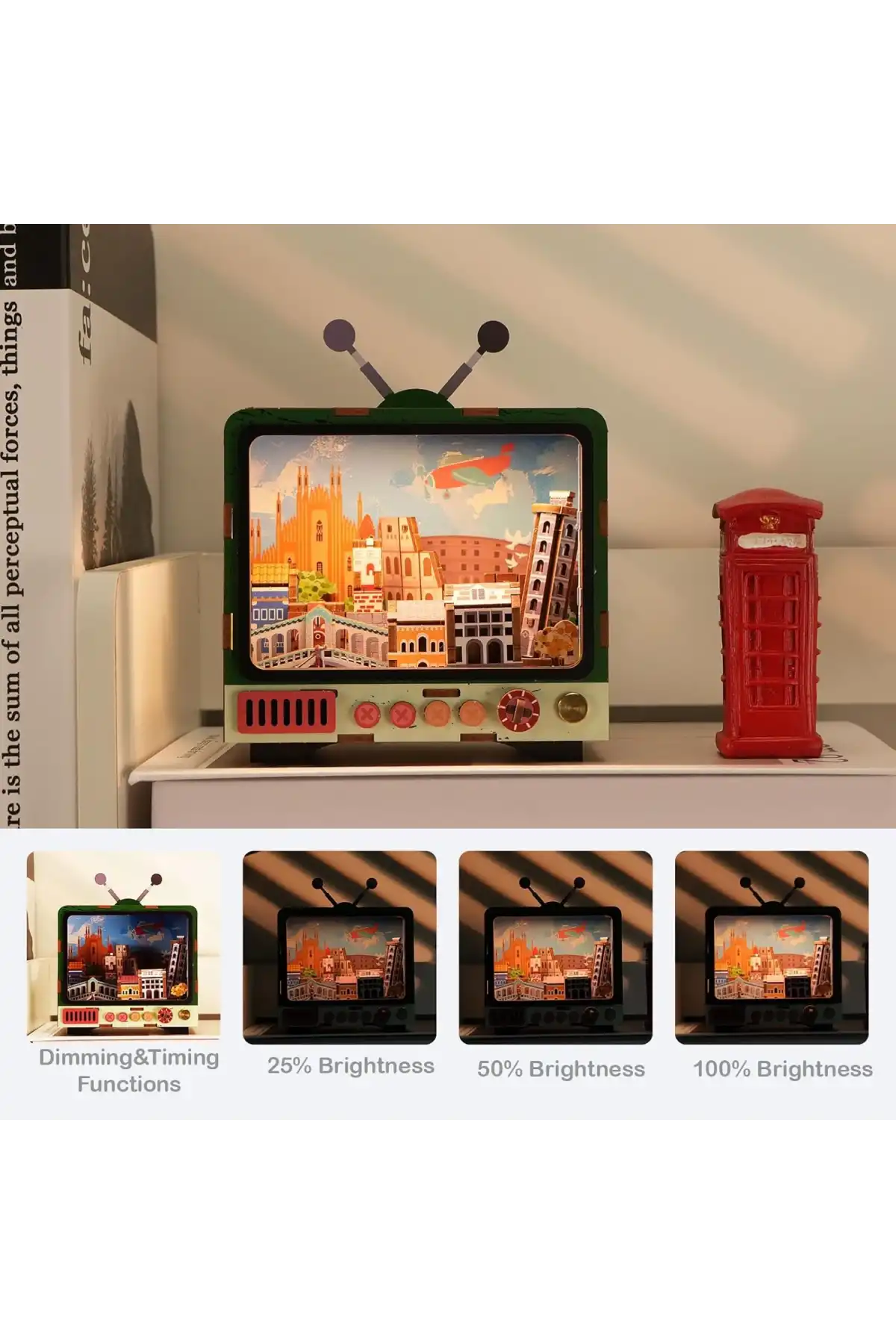
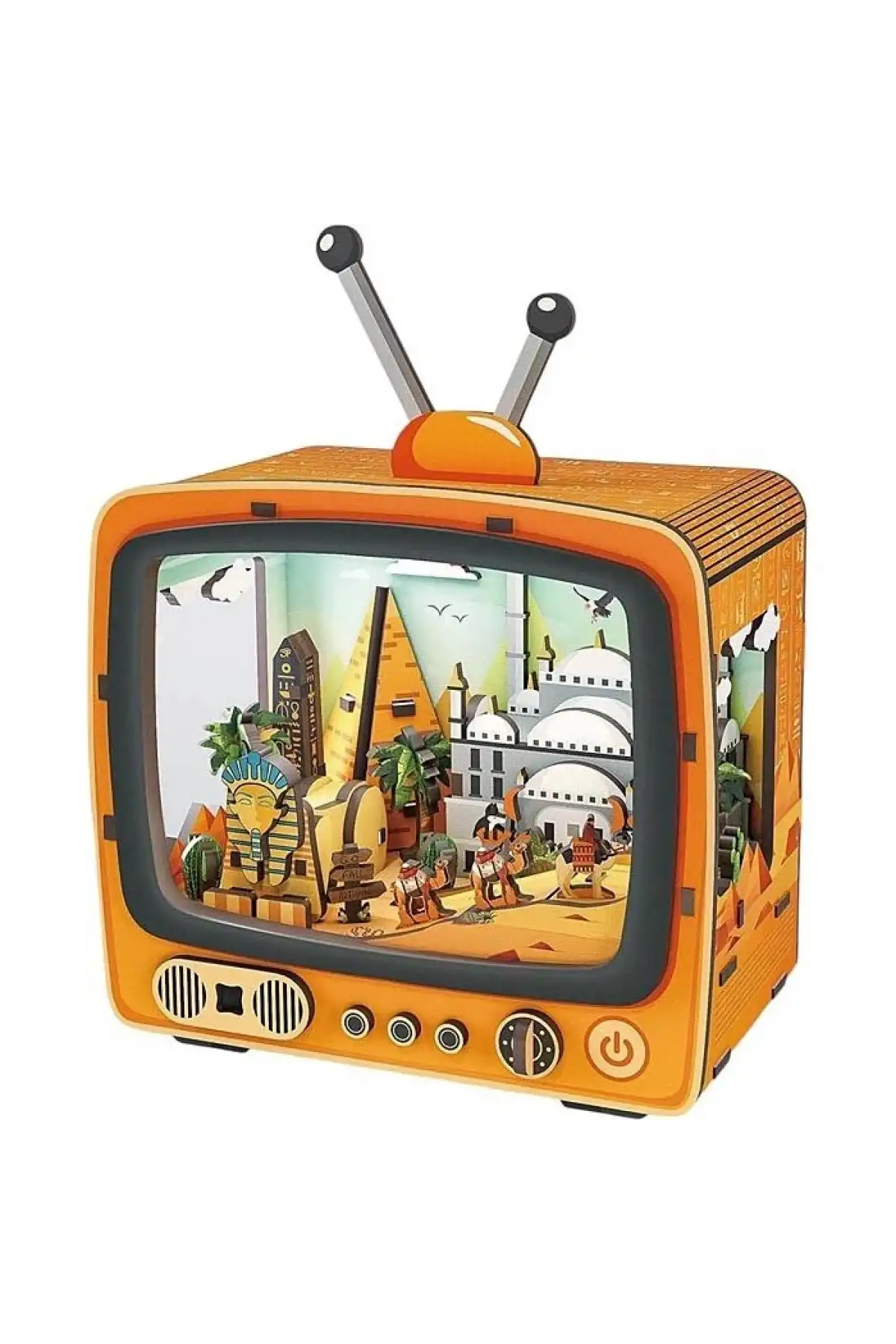
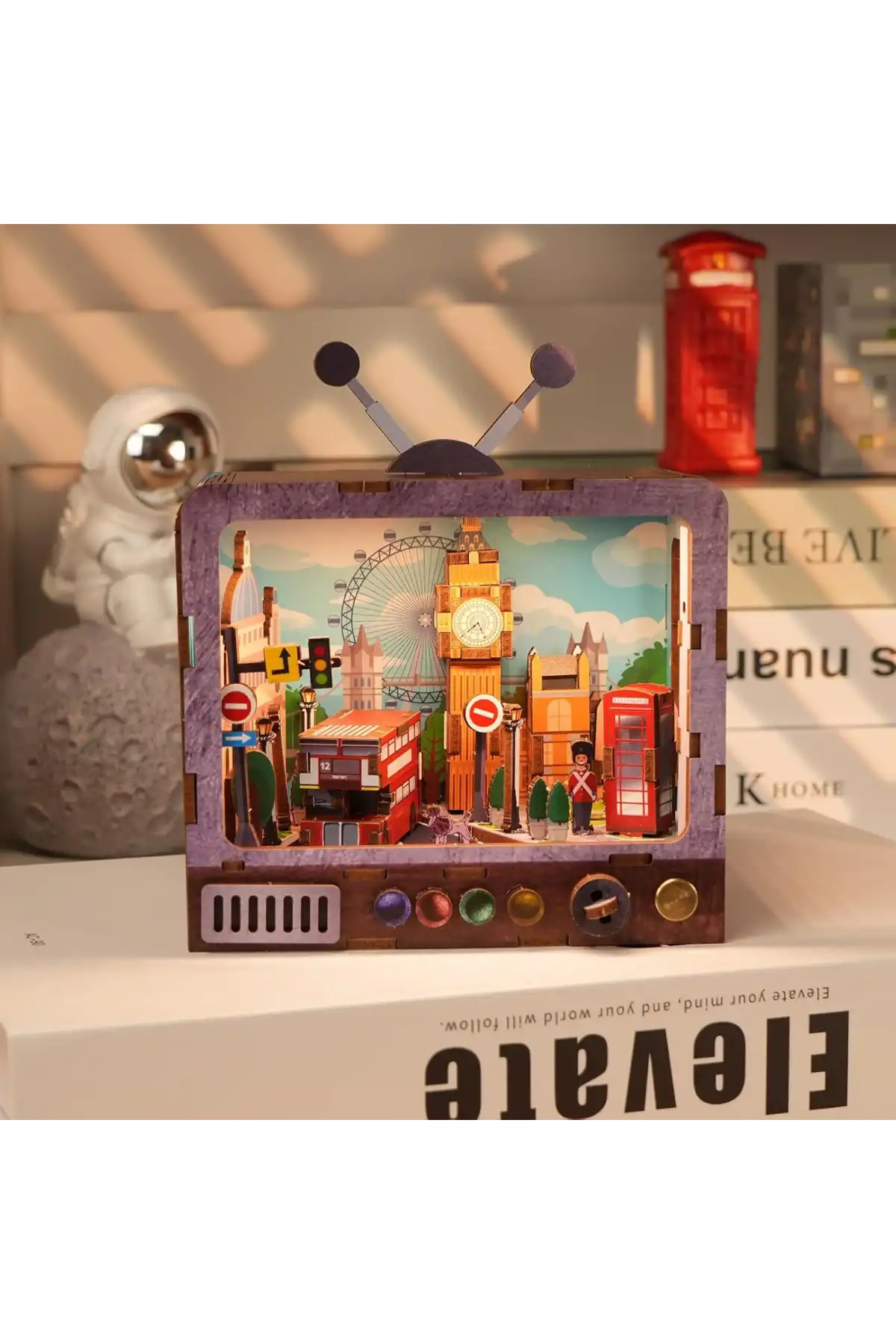
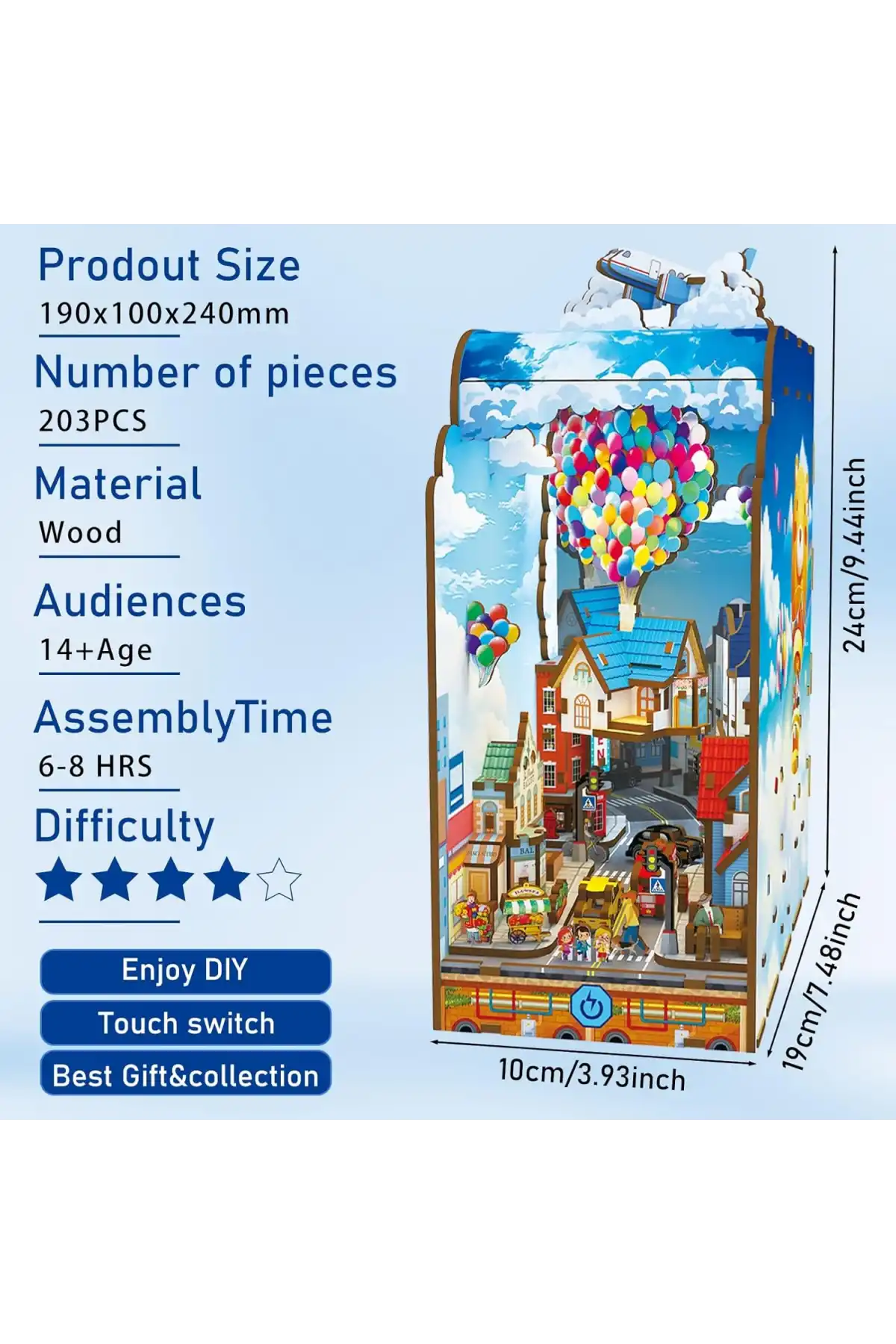
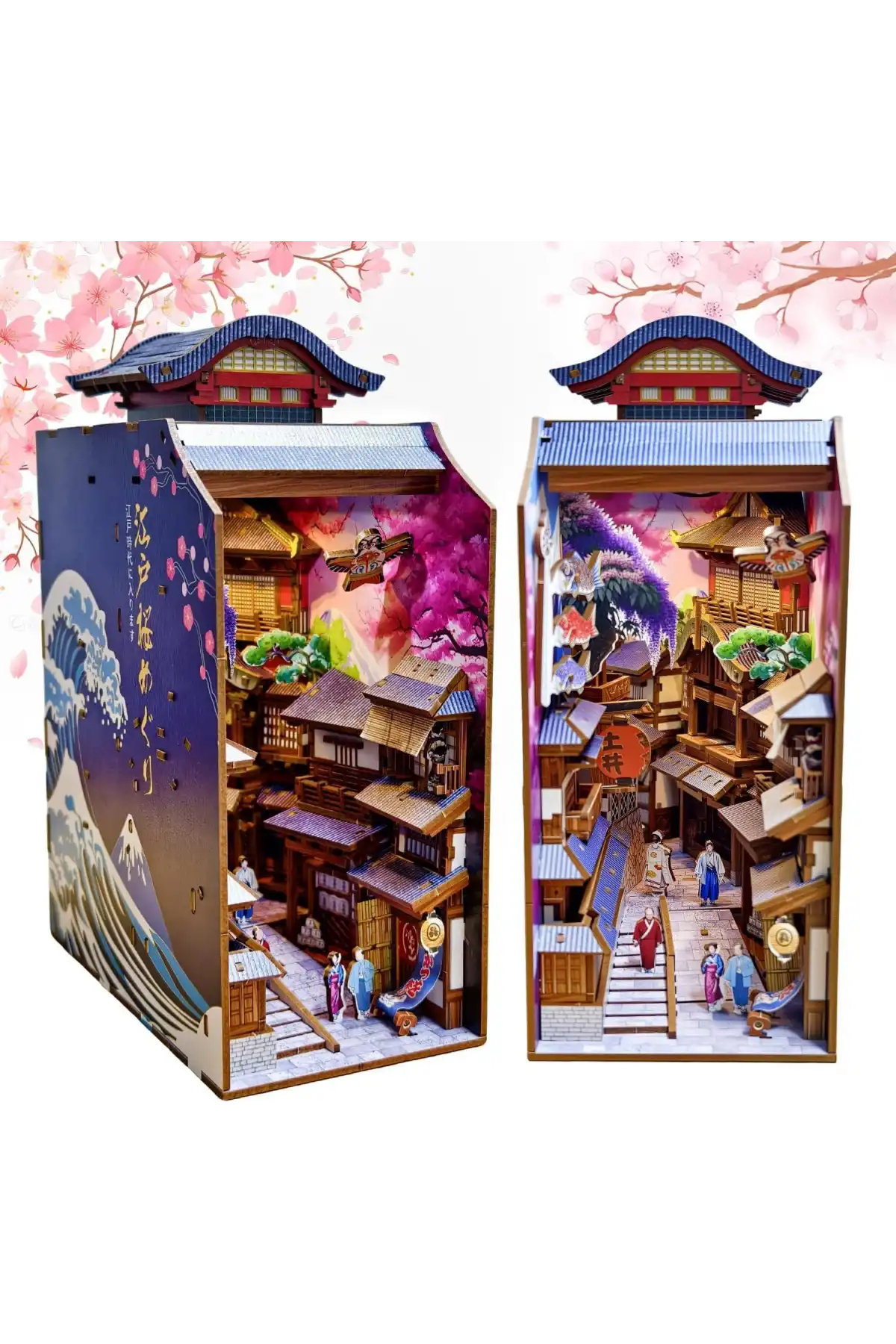
3D model puzzles are educational toys that, unlike classic puzzles, create a three-dimensional model when completed. By assembling the pieces in a specific order, buildings, vehicles, animals, characters, or different architectural structures are brought to life.
In traditional puzzle games, the goal is to complete a flat image. In 3D model puzzle designs, children aim to create a real object, not just a visual. Therefore, both visual perception and spatial thinking skills are used simultaneously.
In recent years, 3D puzzle models have attracted the attention not only of children but also of adults. However, models specifically developed for children come with features like age-appropriate piece counts and easy assembly, making learning more fun.
What Do 3D Model Puzzles Provide for Children?
Three-dimensional puzzle toys are not just products made to pass the time. When chosen appropriately for the right age group, they have many features that can contribute to children's mental and physical development.
Examining the pieces, finding the right piece, and creating the model step by step require attention, planning, and patience.
During the game, the child constantly thinks, compares, and produces solutions. This process makes learning natural.
Supports Problem-Solving Skills
Each piece has only one correct place.
By examining the shapes, protrusions, colors, and connection points of pieces, children try to determine which piece belongs where.
Repositioning wrongly placed pieces and finding the correct one can contribute to developing problem-solving skills.
Each completed model provides a different experience for the child.
Supports Dexterity and Fine Motor Development
When assembling a 3D model puzzle, small pieces need to be handled carefully.
Placing the pieces at the correct angle, applying light pressure, and forming connections actively engage children's finger muscles.
Development of fine motor skills;
- Holding a pencil
- Writing
- Using scissors
- Daily life skills
can provide positive contributions in many areas.
Can Enhance Attention and Concentration
Completing a model can take anywhere from a few minutes to several hours.
During this process, the child learns to focus their attention on the same task.
Since they have to examine each piece carefully, their focus time can increase over time.
3D puzzles are considered highly beneficial activities for children who can concentrate for short periods in front of screens.
Develops Spatial Thinking Skills
One of the most important features of 3D puzzle models is teaching three-dimensional thinking.
The child doesn't just assemble pieces.
They also begin to visualize the model they are going to create in their mind.
They estimate whether a piece should be to the right or left.
Concepts of front, back, top, and bottom can be learned naturally during play.
These skills can provide significant advantages, especially in mathematics and technical thinking fields in later years.
Imparts Patience and Planning Skills
3D models are not toys that can be completed in a few minutes.
Some models can consist of dozens of pieces.
Therefore, the child learns to act in a planned manner rather than rushing.
They realize they need to go back when a piece is placed incorrectly.
This process can support the development of habits like;
- Patience
- Attention
- Responsibility
- Planned work
habits.
An Educational Toy Supporting Imagination
The game doesn't end once the model is completed.
Children can use the created structure in different game scenarios.
A castle model can turn into adventure games.
A vehicle model can be the start of new stories.
A city model can become part of imaginary games with different characters.
This is one of the significant advantages supporting creative thinking.
What to Consider When Choosing a 3D Model Puzzle?
Choosing the right product directly affects the benefit a child will derive from the game.
The following criteria should be evaluated when making a choice:
- Age-appropriate number of pieces
- Durable material
- Absence of sharp edges
- Easy-to-understand assembly system
- Reliable manufacturer
- Production according to CE standards
- Theme suitable for the child's interests
While models with fewer pieces are preferred for younger children, more detailed models can be selected for older children.
Why Are Licensed 3D Puzzle Models More Popular?
Children like to spend longer periods with their favorite characters.
Therefore, 3D puzzle models featuring licensed characters are quite popular.
Models themed after movies, cartoons, and superheroes can boost children's motivation.
Creating familiar characters with their own hands also gives children a sense of achievement.
How Should 3D Model Puzzles Be Stored?
After the model is completed, it should be stored correctly for long-term use.
They should be kept away from dusty environments.
Heavy objects should not be placed on them.
They should not be left in humid environments.
Pieces of unfinished models should be stored in the box.
Completed models can be displayed as decorative items in the child's room.
A Quality Activity for the Family
3D model puzzles are not just toys played with by children.
Parents can also participate in the construction process and guide their children.
However, rather than adults completing the model entirely, it is more beneficial for the child's development to be given the opportunity to produce solutions.
The quality time spent together can strengthen in-family communication while also supporting the child's self-confidence.
Conclusion
3D model puzzles hold an important place among educational toys that support problem-solving, attention, fine motor skills, spatial thinking, and imagination.
With a quality model chosen according to age, children can have fun and experience the joy of creation.
{xxx_cvt_txt}'s 3D model puzzle products offer both an educational and enjoyable gaming experience with their quality material structure, easy assembly system, and themes that attract children's interest.
Frequently Asked Questions (FAQs)
What age is a 3D model puzzle suitable for?
Although it varies by model, most 3D model puzzles are designed for children aged 6 and above. The age recommendation on the product should always be checked.
What is the difference between 3D puzzles and regular puzzles?
While classic puzzles create a flat image, 3D puzzles produce a three-dimensional model when completed.
Do 3D model puzzles contribute to children's development?
Yes. Regularly playing supports attention, problem-solving, hand-eye coordination, fine motor skills, and spatial thinking ability.
Is it necessary to use adhesive?
It depends on the model. Many modern 3D model puzzles are made with interlocking systems, so they do not require adhesive.
Can a completed model be dismantled again?
It depends on the product design. Some models can be dismantled and rebuilt, while others are designed to be displayed decoratively.