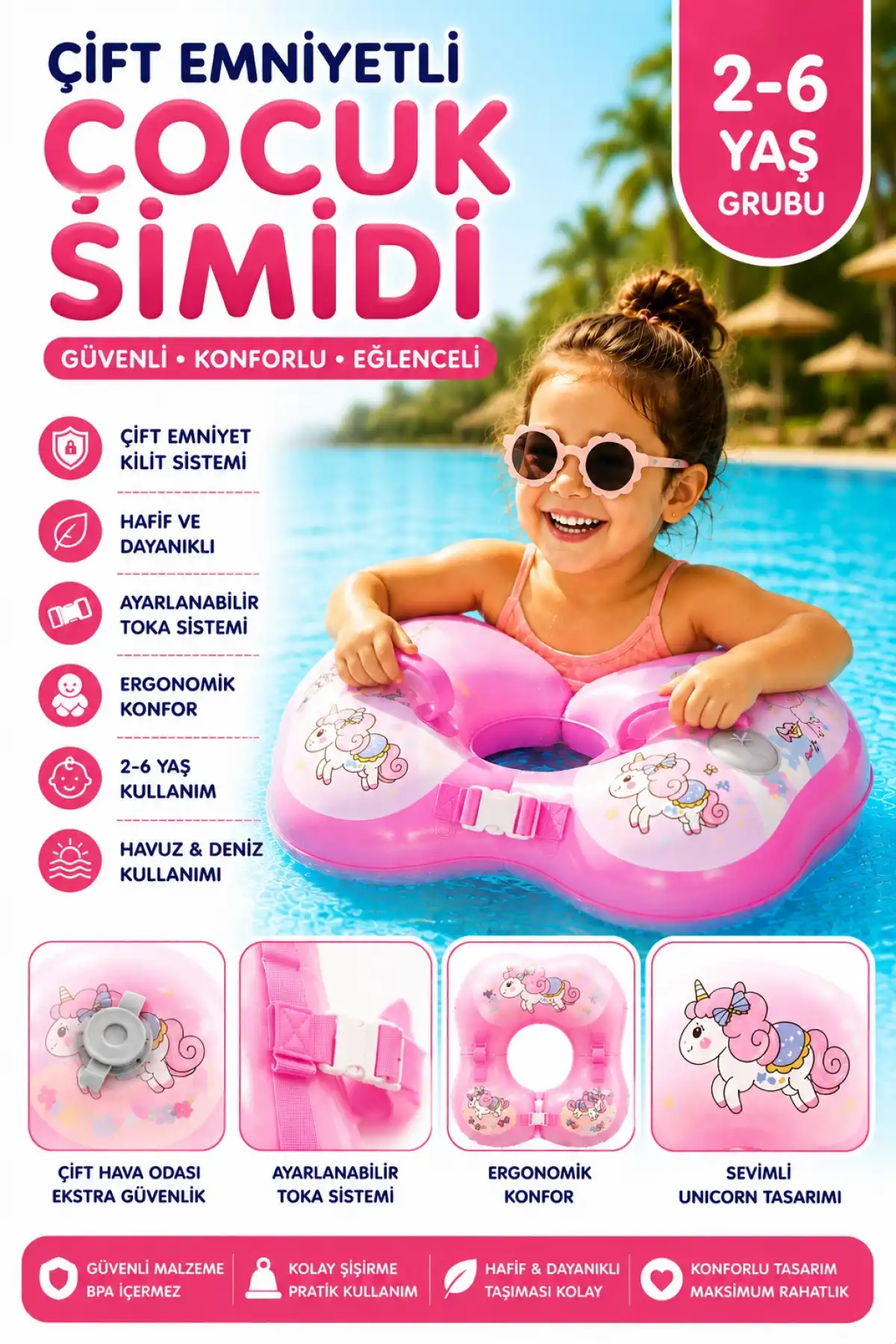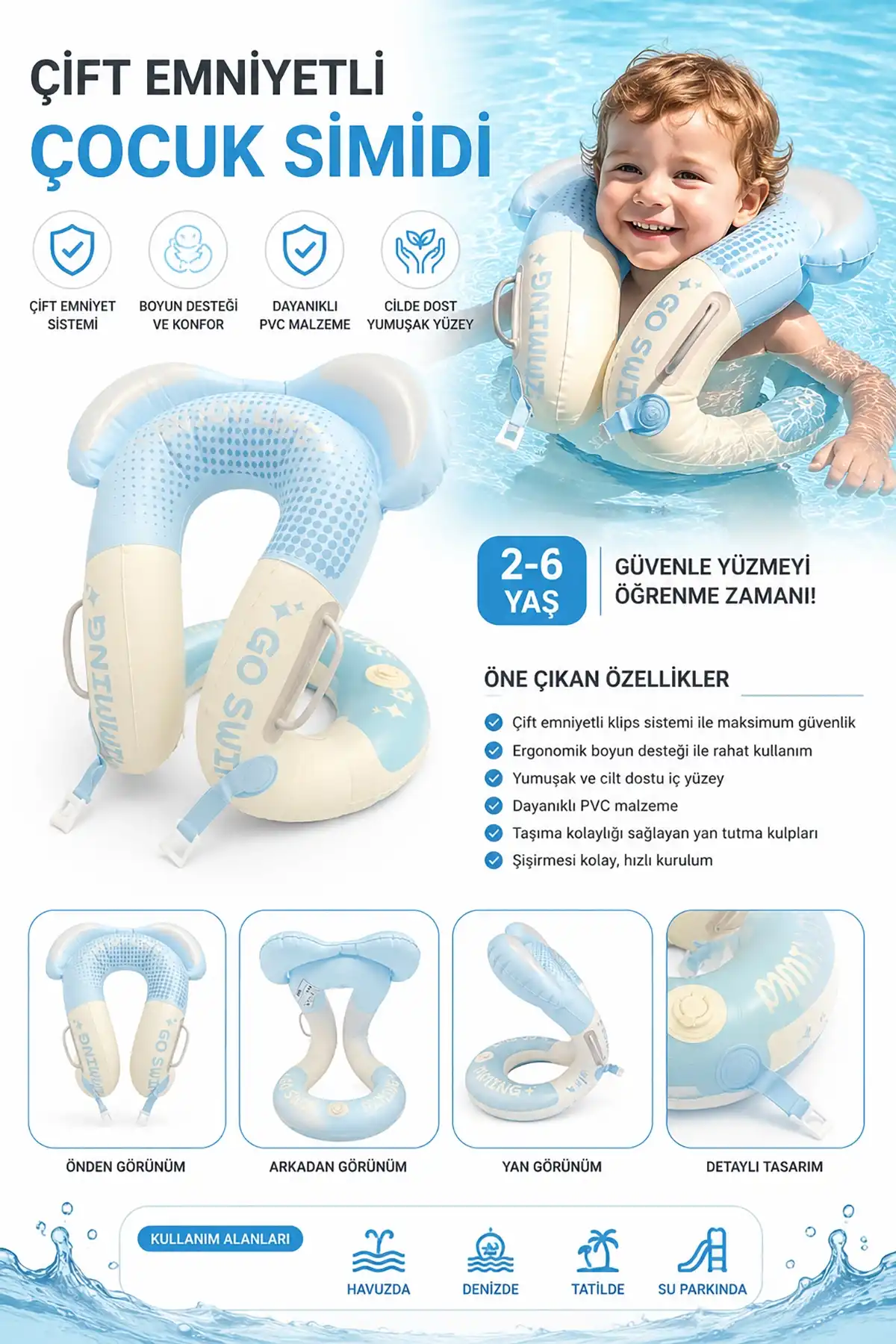

How to Dry Pool Toys After Use?

Simply taking the pool toy out of the water and leaving it in a corner may not provide complete drying. Moisture left in the valve, seams, gaps, and overlapping surfaces can lead to odor, surface degradation, and hygiene issues.
This content offers a general drying scheme. Manufacturer recommendations take priority as the product's material, valve structure, and cleaning instructions may vary.
Why is it important to dry pool toys correctly?
A safe, sustainable experience in toys and play products is not dependent on a single feature. When considering the usage instructions, age warnings, environment, maintenance methods, and adult supervision together, a healthier routine can be established.
- Moisture can remain between folded surfaces for a long time.
- A closed bag prevents air circulation.
- Direct intense sunlight may shorten the lifespan of some materials.
- Storing without complete drying can lead to odor and surface changes.
Step-by-step application guide
1. Evaluate the need for rinsing with clean water
After chlorinated or salty use, rinse with clean water according to the product instructions. This step helps to evaluate the product instructions, the child's age, and the usage environment collectively rather than getting caught up in a single detail about drying pool toys correctly. Keeping track of the observation result with a short note facilitates more consistent decision-making in subsequent use.
2. Drain surface water
By turning the toy in a secure area, remove the water accumulated in the gaps. This step helps to evaluate the product instructions, the child's age, and the usage environment collectively rather than getting caught up in a single detail about drying pool toys correctly. Keeping track of the observation result with a short note facilitates more consistent decision-making in subsequent use.
3. Check valves and pockets
Examine the valves, handles, and joints where water may have entered. This step helps to evaluate the product instructions, the child's age, and the usage environment collectively rather than getting caught up in a single detail about drying pool toys correctly. Keeping track of the observation result with a short note facilitates more consistent decision-making in subsequent use.
4. Lay in a single layer
Place the toy without folding, ensuring surfaces do not stick together, in an airy shaded area. This step helps to evaluate the product instructions, the child's age, and the usage environment collectively rather than getting caught up in a single detail about drying pool toys correctly. Keeping track of the observation result with a short note facilitates more consistent decision-making in subsequent use.
5. Rotate the surface
Once one side has dried, turn the toy to allow the bottom surface to also air out. This step helps to evaluate the product instructions, the child's age, and the usage environment collectively rather than getting caught up in a single detail about drying pool toys correctly. Keeping track of the observation result with a short note facilitates more consistent decision-making in subsequent use.
6. Perform odor and moisture testing
Before storing, check manually for moisture, closed odor, or stickiness. This step helps to evaluate the product instructions, the child's age, and the usage environment collectively rather than getting caught up in a single detail about drying pool toys correctly. Keeping track of the observation result with a short note facilitates more consistent decision-making in subsequent use.
7. Reduce air pressure according to instructions
Follow the product instructions for fully or partially deflating the inflatable product for storage. This step helps to evaluate the product instructions, the child's age, and the usage environment collectively rather than getting caught up in a single detail about drying pool toys correctly. Keeping track of the observation result with a short note facilitates more consistent decision-making in subsequent use.
8. Store dry and airy
Keep the completely dried product away from sharp objects, excessive heat, and direct sun. This step helps to evaluate the product instructions, the child's age, and the usage environment collectively rather than getting caught up in a single detail about drying pool toys correctly. Keeping track of the observation result with a short note facilitates more consistent decision-making in subsequent use.
Adaptation according to age and child's needs
Children can participate in the steps of collecting and rinsing toys, but valve opening, hanging at height, and using cleaning products should be done by adults. The drying area should be arranged so that children will not trip and fall.
A child's interest, skill, and comfort can change over time. The age label is a starting point; warnings and manufacturer instructions on the product are always prioritized. If the child is struggling, becoming restless, or using the product outside of its intended purpose, it is necessary to take a break from the activity and reassess the setup.
Common mistakes
- Placing a wet product in a closed bag
- Folding immediately without drying
- Leaving in direct sun for hours
- Not checking around the valve
- Continuing to use despite odor formation
The common point of these mistakes is making quick decisions and overlooking small signs. Regular checks and a straightforward storage routine support both safety and the longevity of the toy's use.
Home-applicable control list
- Is the rinsing done according to instructions?
- Has the water in the gaps been removed?
- Is the product laid in a single layer and airy?
- Have both surfaces dried?
- Is there any odor or stickiness?
- Is the storage area dry?
Keeping the control list close to where the toy is stored ensures that other adults in the family follow the same routine. Thus, maintenance and usage rules are not dependent on a single person.
Frequently Asked Questions
Is drying in the sun not faster?
It may be faster, but intense sun and heat can affect the material. A shaded, airy area that complies with manufacturer instructions should be preferred.
Can a hairdryer be used?
Heat may damage the material. It should not be used if the instructions do not explicitly permit it.
What should be done with an inflatable product that got water inside?
The manufacturer recommendation based on valve structure should be followed; it should not be closed until fully dried.
Is it sufficient to wash again if there's an odor?
The material and odor source should be evaluated. The product should not be used if there's a suspicion of surface deterioration or mold.
Conclusion
Proper drying is completed by draining the water, laying the product in a single layer, turning both surfaces, and confirming it is fully dried. The most important rule is not storing the wet product in a closed space.
When examining toys and child products, it is important to base on age warnings, product instructions, and adult supervision. You can explore ToyFlyer content for different play and product guides.
- Why Doesn't the Foam Gun Produce Foam? Troubleshooting and Proper Use Guide
- What is Ring Toss Water Game? Timeless Toy that Enhances Children's Attention and Hand-Eye Coordination
- What is a Bubble Gun? How to Use It? | Fun Summer Toy Guide | ToyFlyer
- The Most Fun Outdoor Games for Children to Play During Summer Vacation
- The Most Fun Gift Toys for Children: Water Game
- Why Is Dental Health Important in Children? 5 Reasons to Protect Milk Teeth
- How to Encourage Your Child to Brush Their Teeth? Fun Solutions