
How to Prepare a Toy Bag for Kids on a Car Trip?
Date: 13.08.2026 23:17

A guide to preparing a toy bag for children that is safe, quiet, has few pieces, and aligns with break schedules during long car journeys.
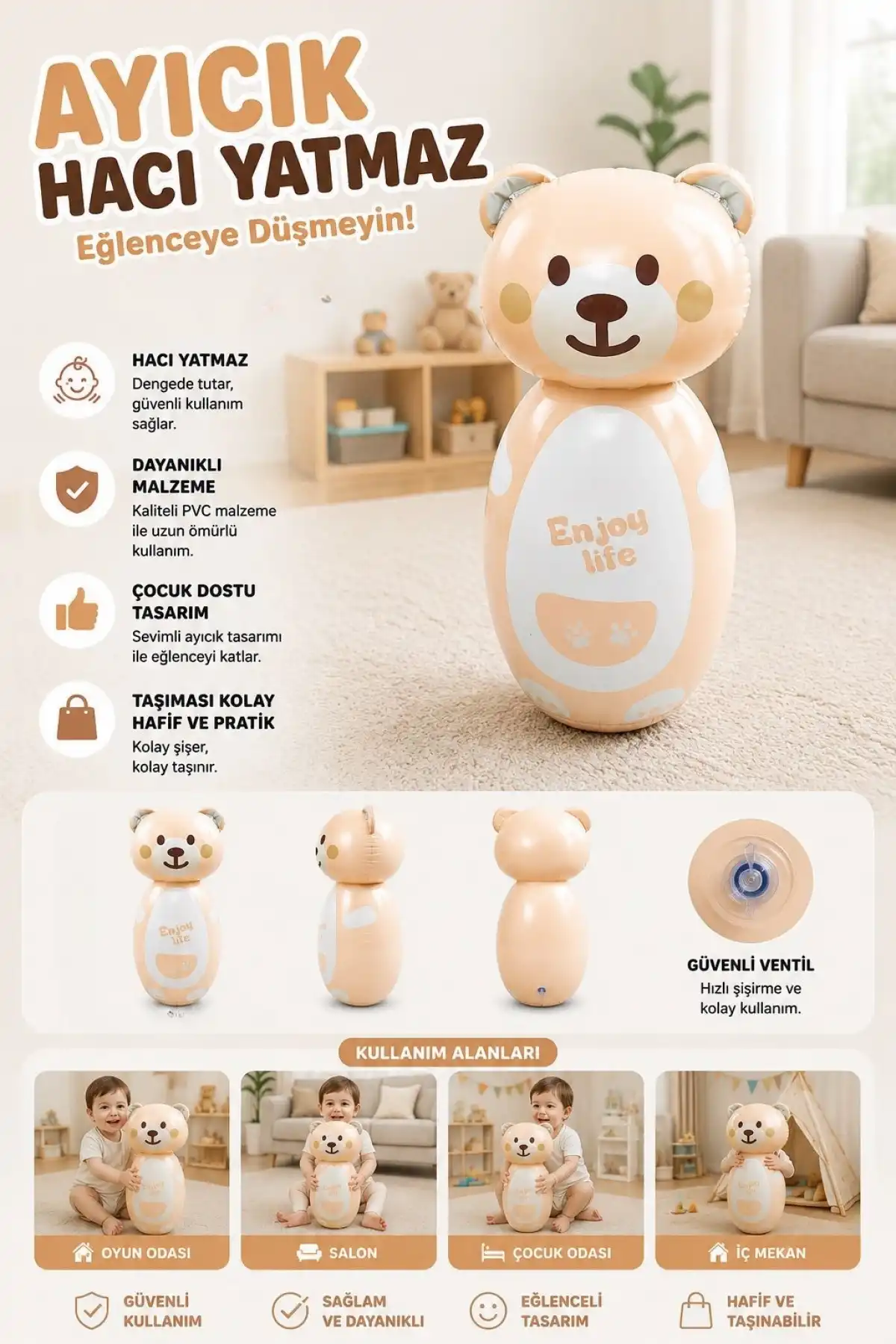
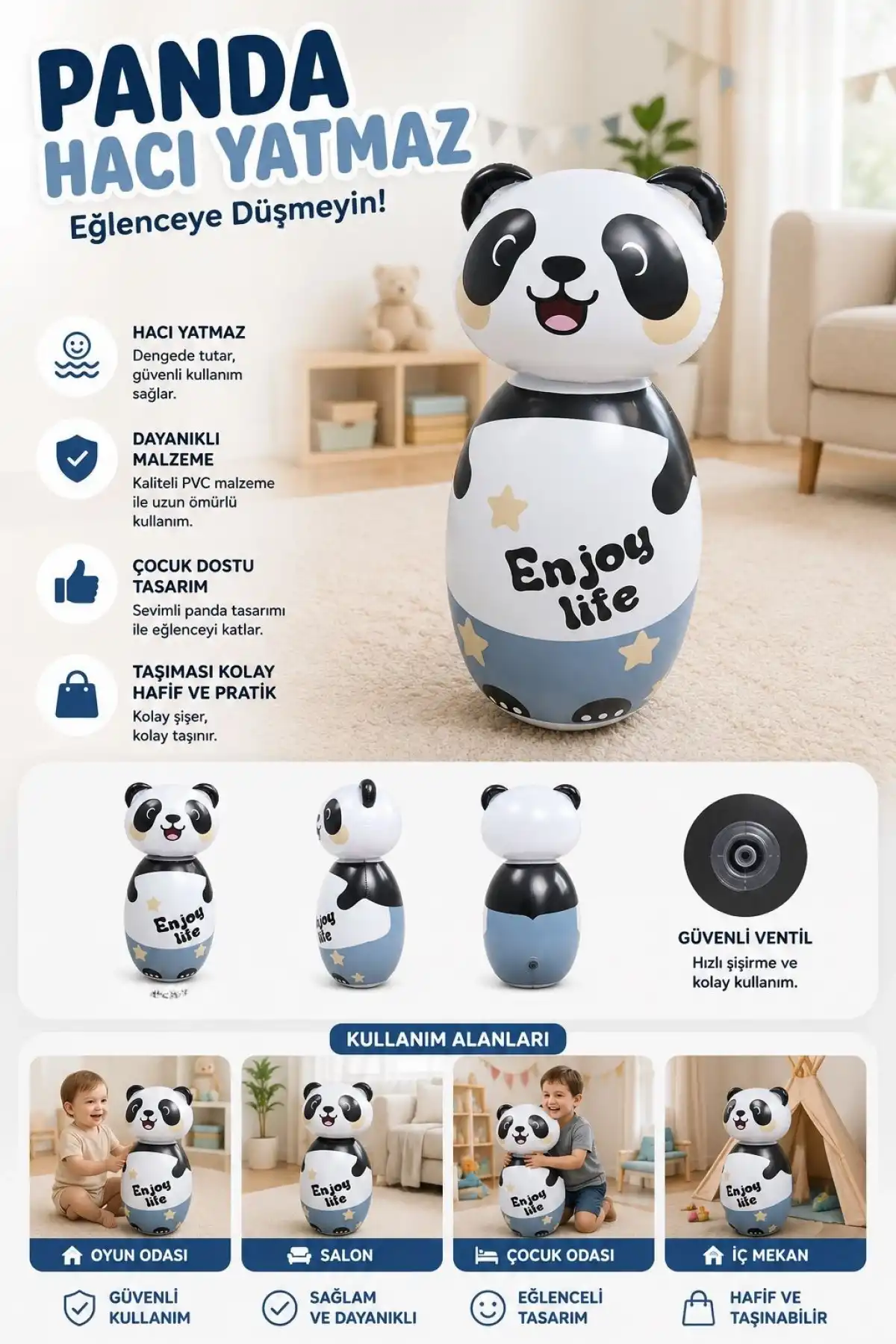
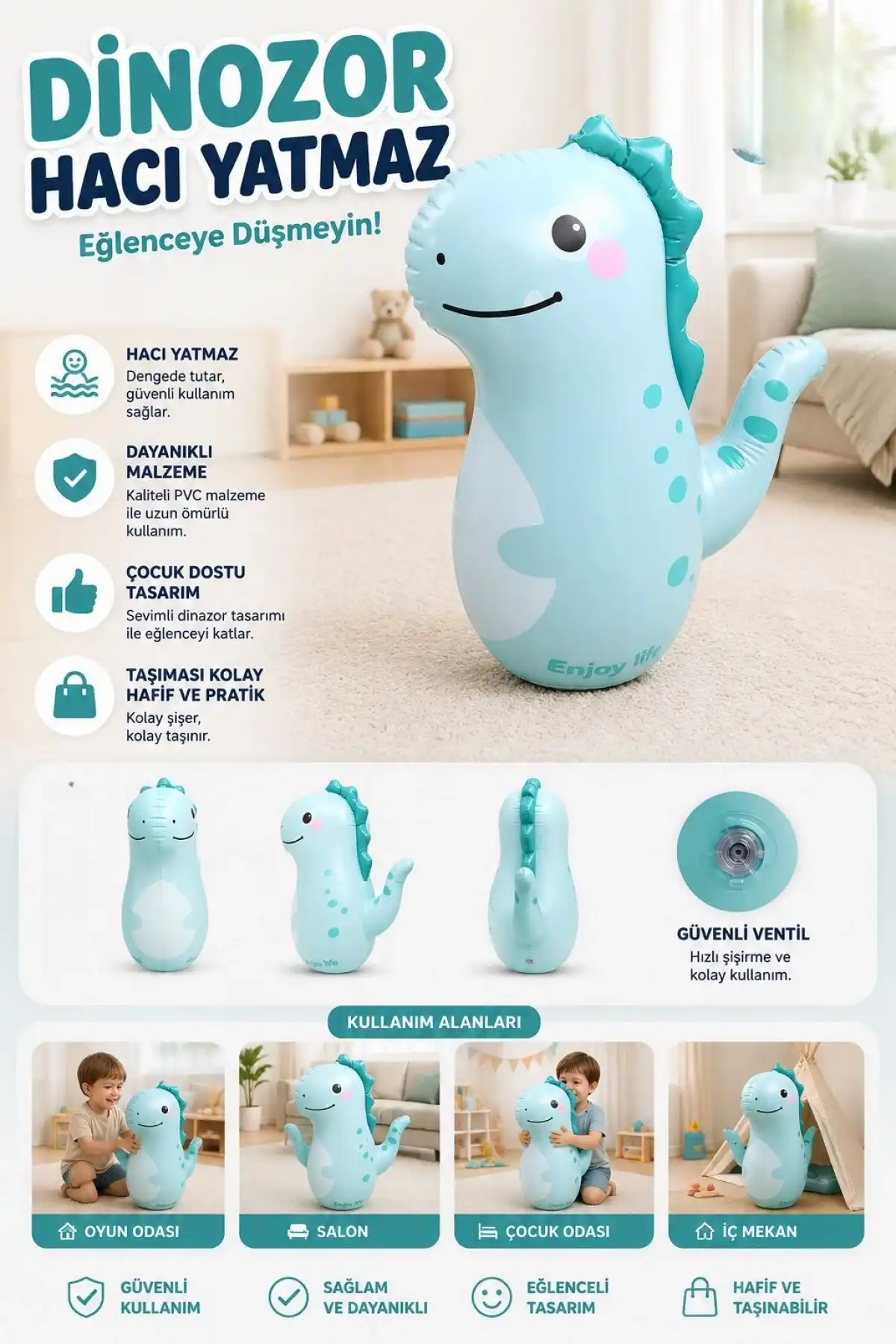
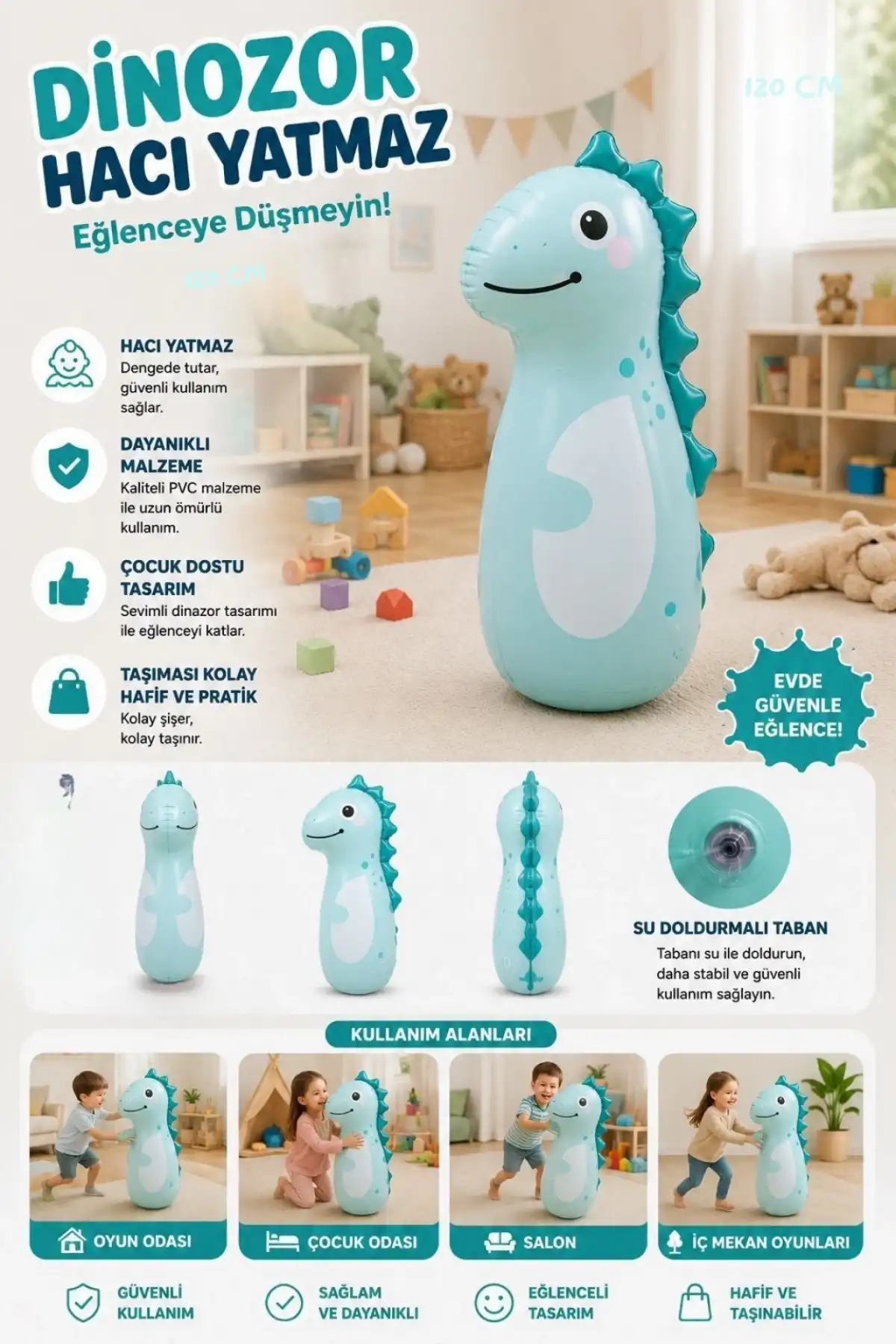
<p>Toy selection in the car is different from play at home. Hard, heavy, or multi-piece items can pose a risk during sudden braking; hence, soft, lightweight options that can be used within the seating area should be prioritized.</p><h2>Choose Safe Products</h2><p>Heavy toys with sharp corners, throwable objects, and long-string products should not be used inside the vehicle. Toys should not obstruct the child's view or the seatbelt.</p><h2>Divide the Bag into Small Packages</h2><p>Books, drawing materials, verbal games, and soft toys can be kept in separate sections. Another section can be prepared after each break.</p><h2>Make the Break Plan Part of the Play</h2><p>Instead of prolonged seat play, opportunities for safe movement should be given during regular breaks. A travel toy cannot replace the need for breaks.</p><h2>Reduce Lost Pieces</h2><p>Magnetic or fixed-piece travel products may be preferred. Games with small pieces are not suitable inside the vehicle.</p><h2>Practical Checklist</h2><ul><li>Is the toy light and soft?</li><li>Does it block the seatbelt?</li><li>Is the number of pieces few?</li><li>Is the break plan ready?</li></ul><p>A good car trip bag offers safe products in small groups and considers the child's need for rest and movement.</p>
Categories
Most Read
- Why Doesn't the Foam Gun Produce Foam? Troubleshooting and Proper Use Guide
- What is Ring Toss Water Game? Timeless Toy that Enhances Children's Attention and Hand-Eye Coordination
- What is a Bubble Gun? How to Use It? | Fun Summer Toy Guide | ToyFlyer
- The Most Fun Outdoor Games for Children to Play During Summer Vacation
- The Most Fun Gift Toys for Children: Water Game
- Why Is Dental Health Important in Children? 5 Reasons to Protect Milk Teeth
- How to Encourage Your Child to Brush Their Teeth? Fun Solutions
Related Products