
Make Summer Vacation More Fun with Pool Toys | The Best Water Games for Kids

When summer arrives, pools and seas are among the top places where children want to spend the most time. The coolness of the water in hot weather means both fun and movement for children. Among the products that make this fun more enjoyable are pool toys. Thanks to their colorful designs, different usage areas, and models that support children's imagination, pool toys are among the indispensable products of summer.
A well-chosen pool toy not only ensures that the child has fun but also supports movement, develops coordination skills, and helps them get accustomed to water. Especially in the preschool period, forming a positive bond with water can make it easier for children to learn swimming in the future.
The first thing to consider when buying pool toys is to choose a product appropriate for the child's age. Products designed for younger age groups offer safer use, while toys prepared for older children are more suitable for active games. Age information included in product descriptions should always be considered.
Another important issue is the material the product is made of. Pool toys made from high-quality PVC material are more resistant to sunlight, chlorinated water, and sea water. Low-quality products can quickly leak air, wear out, or deform. Choosing quality products provides advantages in terms of both safety and long usage life.
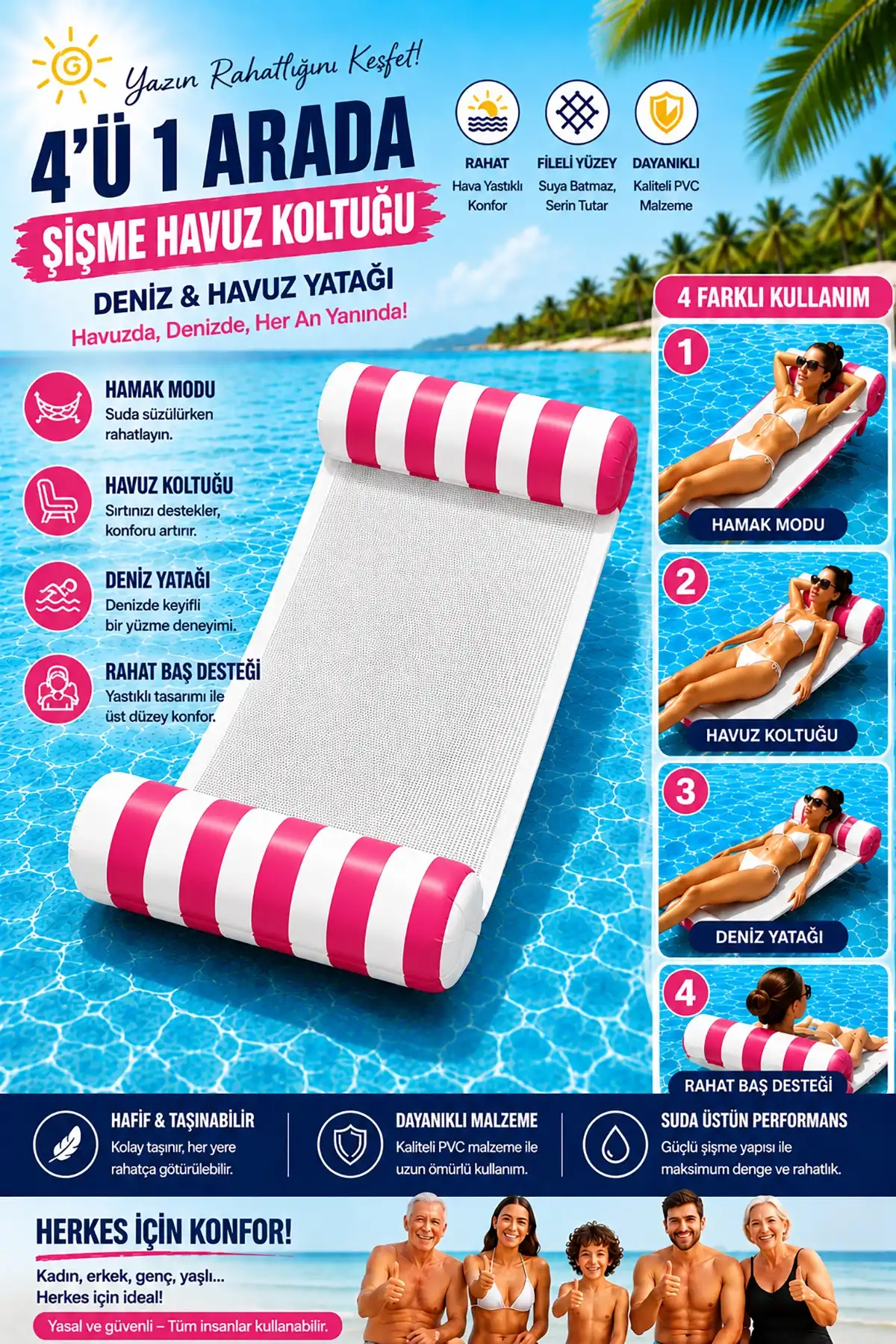
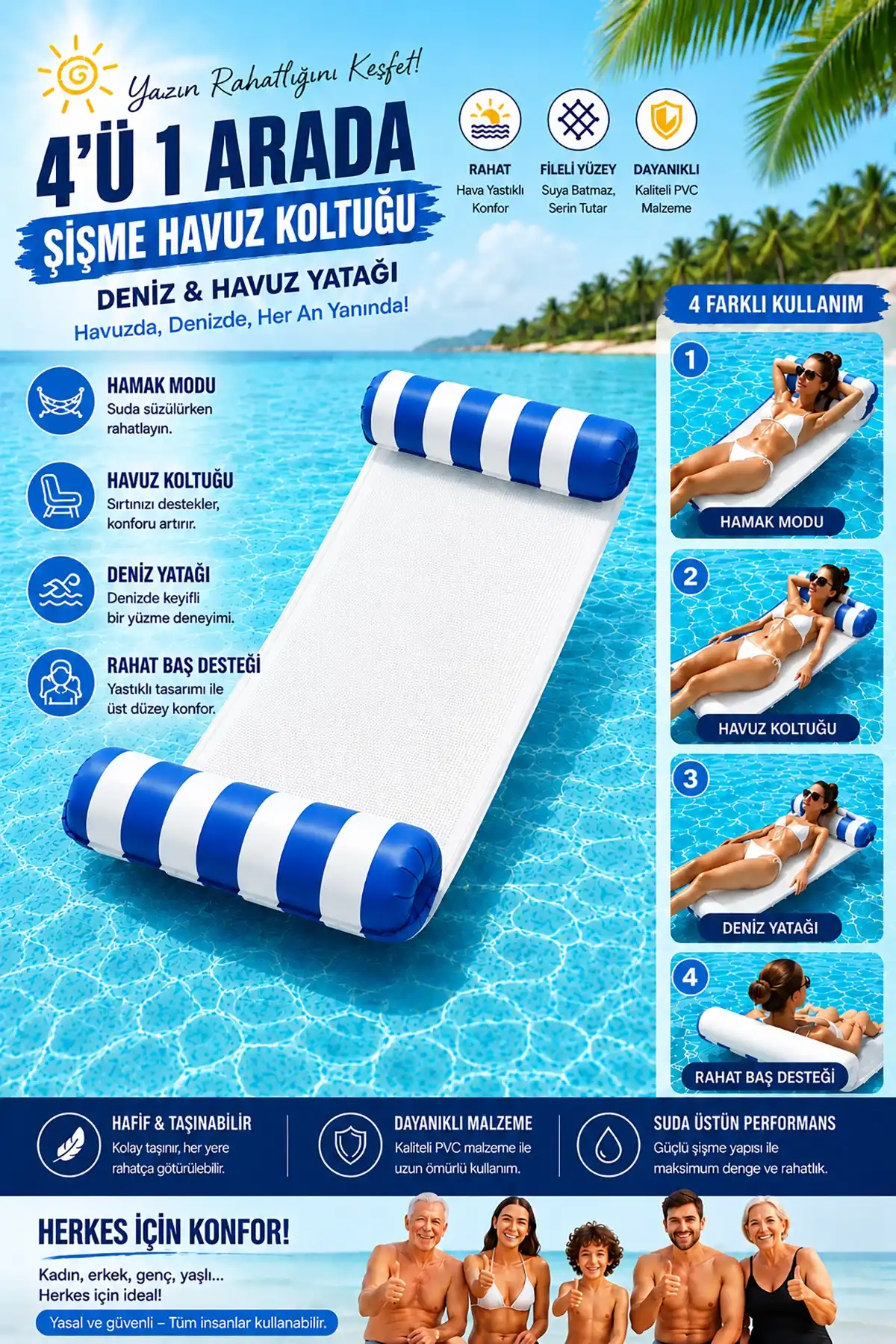
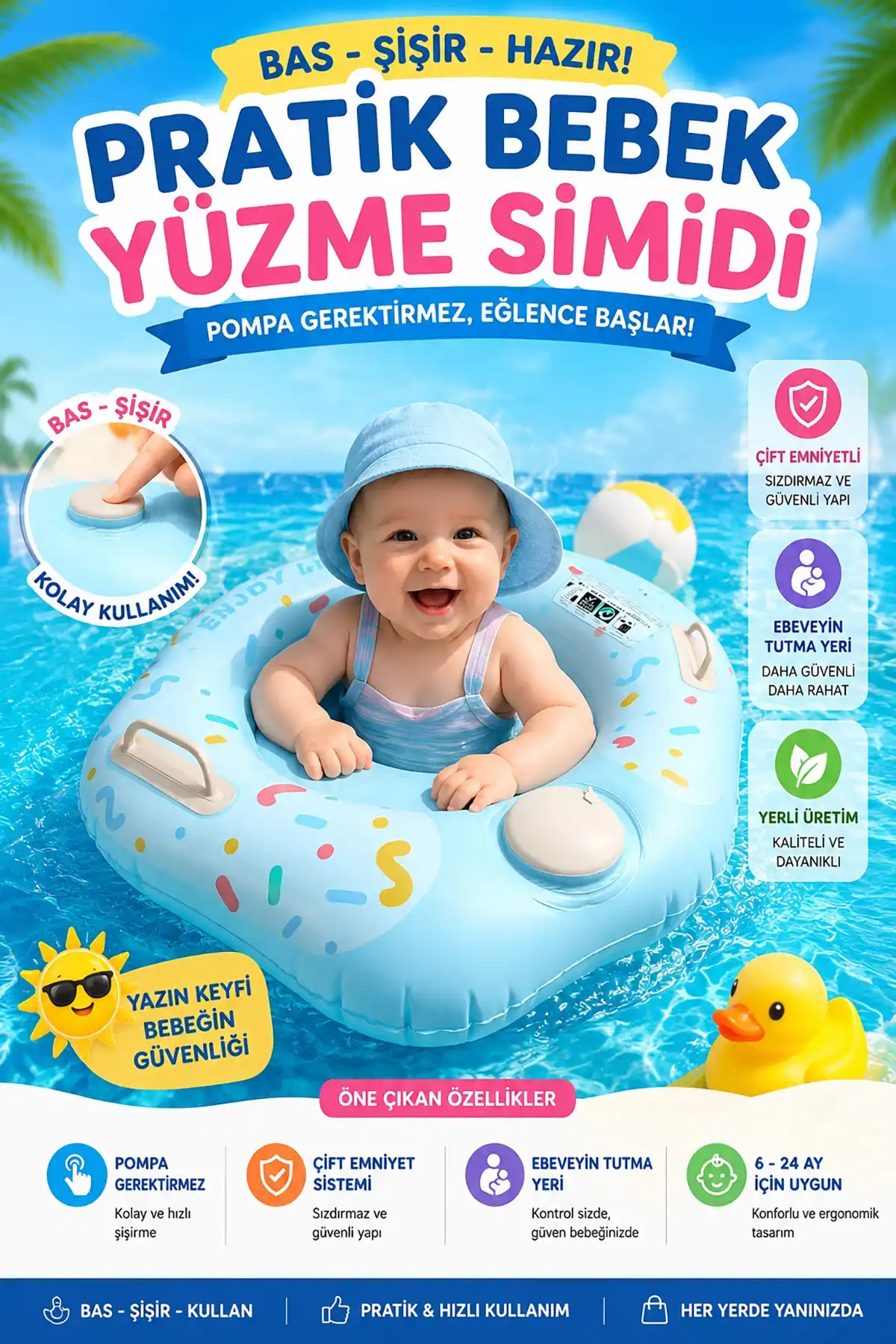
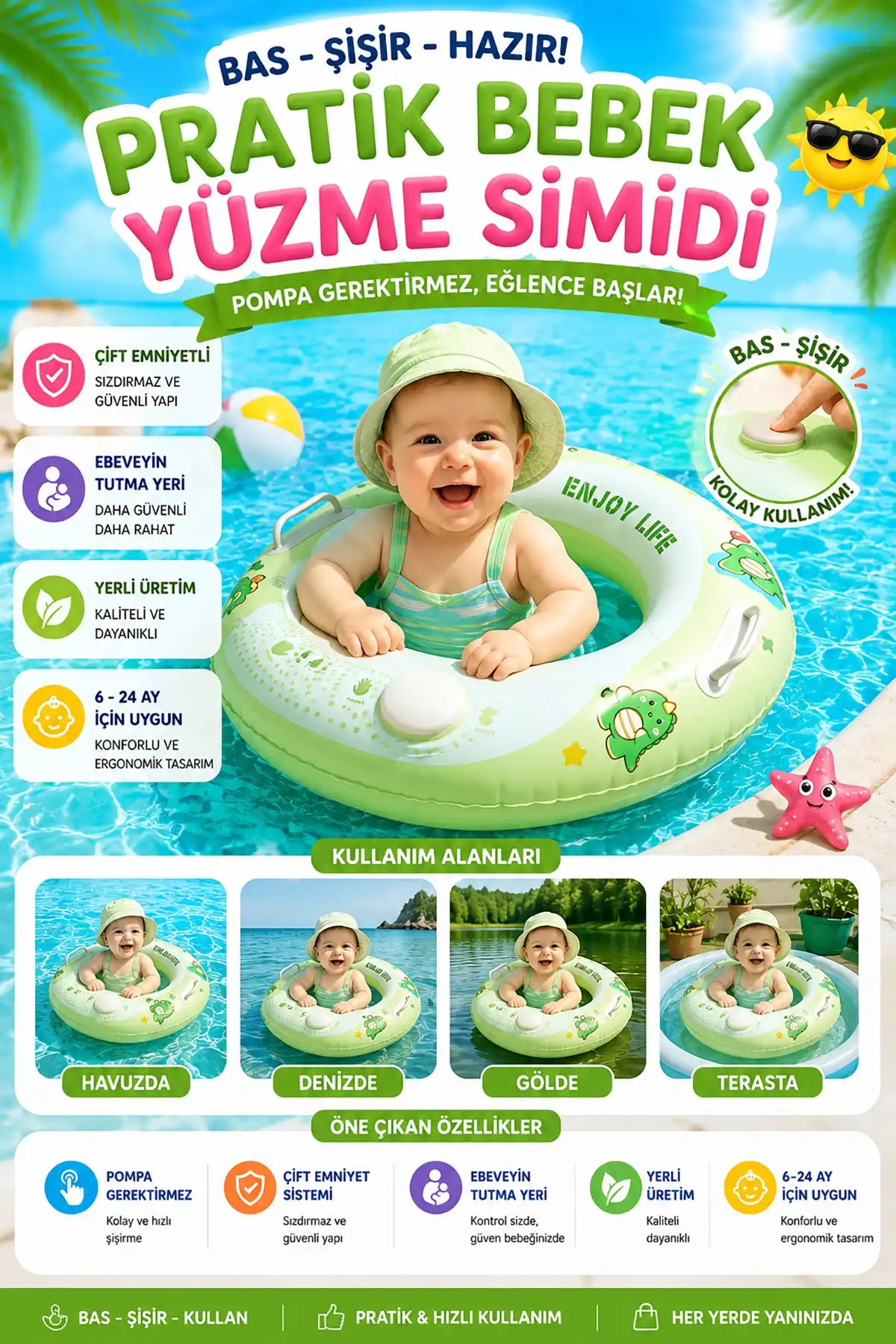
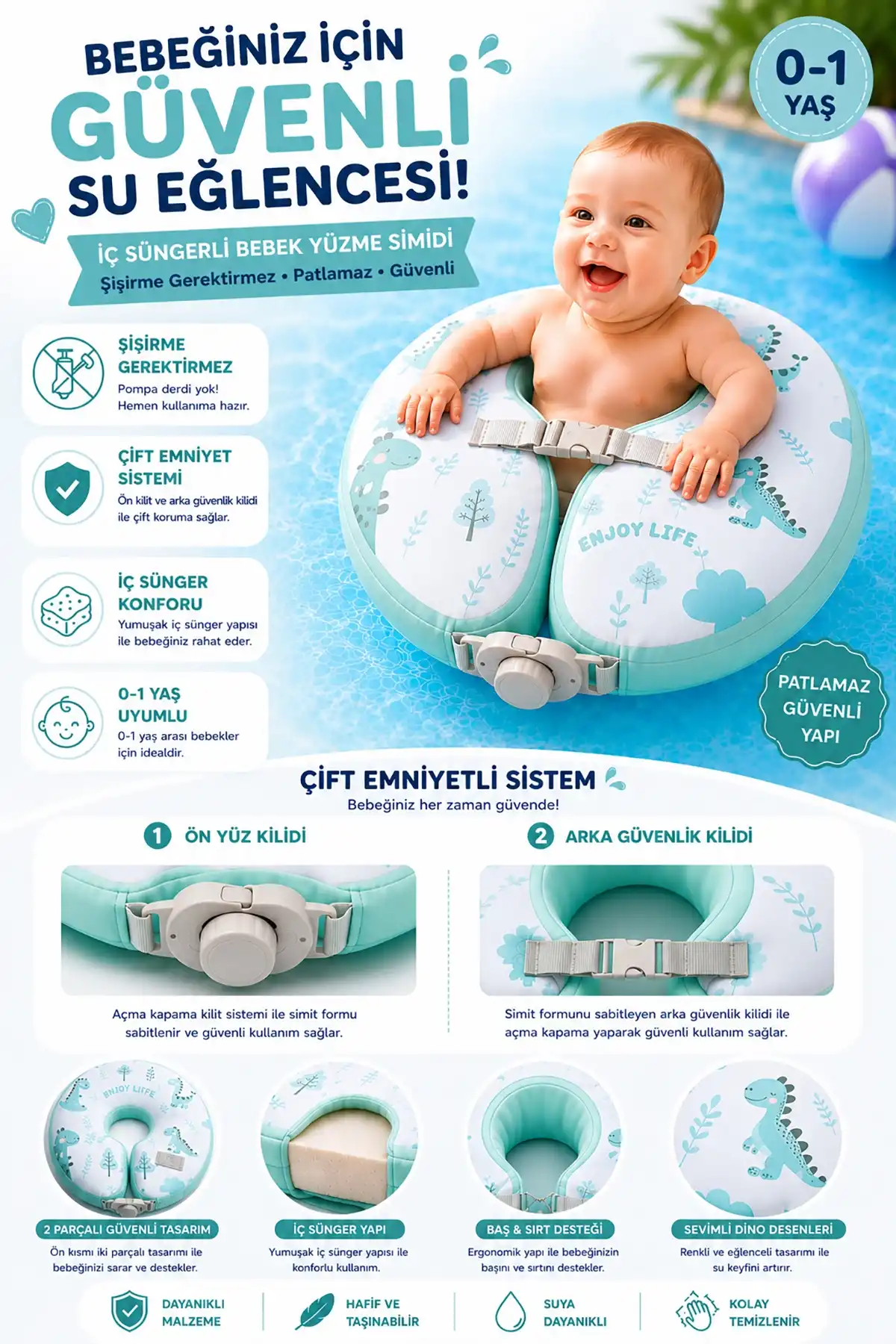
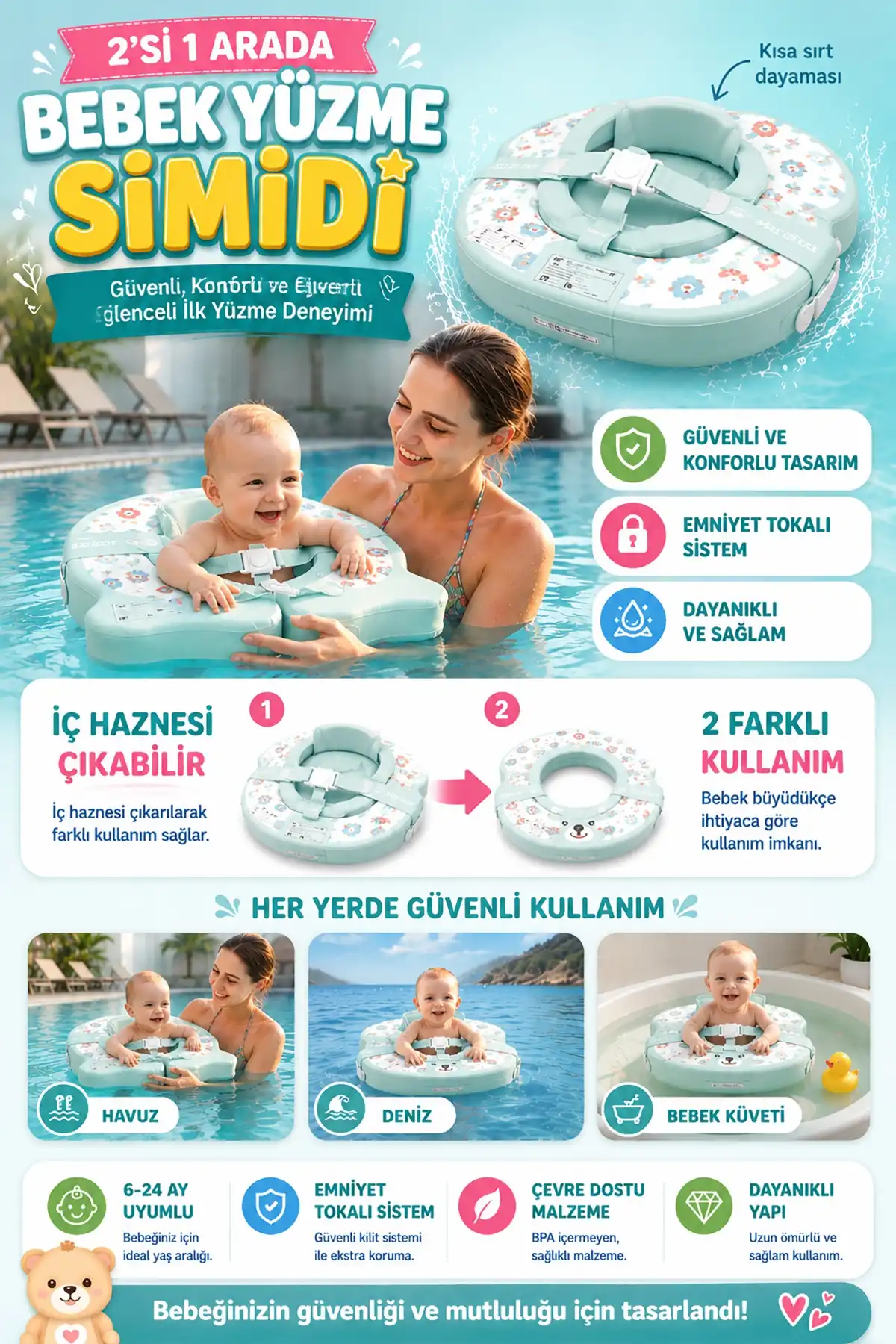
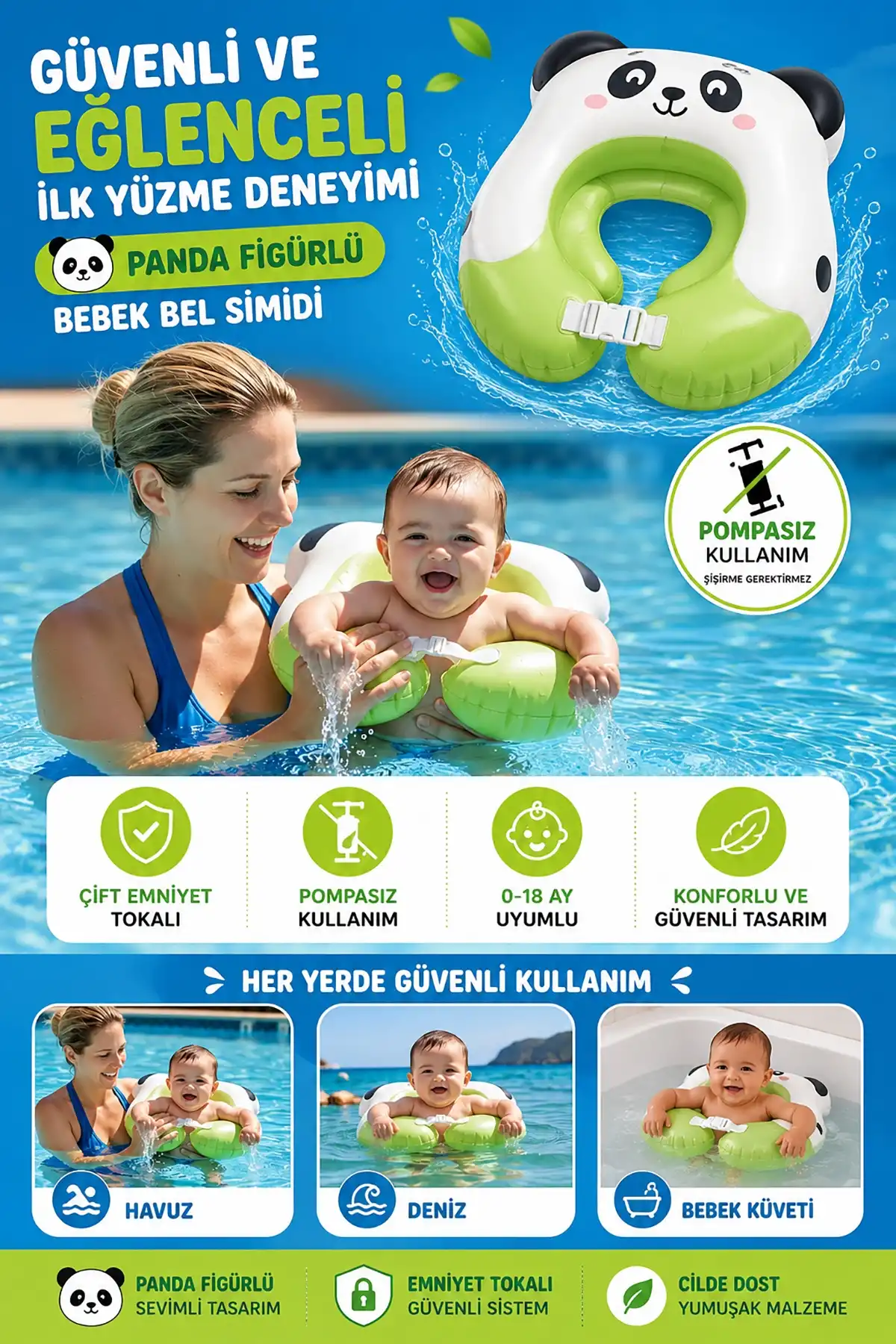
There is a wide variety of pool toys. Children's swim rings, water guns, foam blasters, inflatable playmates, ball games, and various inflatable figures are among the products that attract children's attention. You can create a much more fun play environment by combining different toys according to the child's age and interests.
In recent years, especially unicorn-themed swim rings, colorful inflatable toys, and foam blasters have been among the most preferred products by children. Thanks to their fun designs, children are more eager to enter the water, while families can also have a pleasant time.
Pool toys should not only be used for entertainment purposes. They also teach children to share, set up games together, and move as a group. When more than one child plays in the same environment, their social communication skills improve, and they gain the habit of playing together.
Quality pool toys should be among the indispensable products of the holiday bag prepared by families going on a summer vacation. Being lightweight makes them easy to carry, and they can be inflated and ready for use in a short time. They can be easily used at holiday resorts, hotels, summer houses, or inflatable pools in gardens.
There are also some safety rules to be aware of when using the products. Children should never be left alone in the water. Inflatable toys are for support only and should not be used as life jackets. Product air control should be carried out regularly; they should not come into contact with sharp objects, and they should be cleaned and stored after use.
The pool toys we offer as ToyFlyer bring together quality, safety, and fun and consist of products that families can safely choose. From children's swim rings to foam blasters, inflatable toys to summer entertainment products, our wide range of products offers suitable options for every age group.
With the right pool toys, children not only have fun; they also move, socialize, and collect unforgettable summer memories. Thanks to the selection of quality products, toys can be used for many years and provide the same enjoyment every summer.
Frequently Asked Questions (FAQ)
Which age group are pool toys suitable for?
Depending on the product, there are models designed specifically for different age groups. Age recommendations in the product descriptions should be considered.
Can pool toys be used in the sea?
Yes. Most pool toys can also be used in the sea. However, adult supervision should be ensured in wavy weather and deep waters.
How should pool toys be cleaned?
After use, they should be rinsed with clean water, completely dried, and stored in a cool place away from sunlight.
How durable are inflatable pool toys?
Products made from high-quality PVC material can be used safely for multiple seasons with proper use and regular maintenance.
Do pool toys contribute to children's development?
Yes. They are important play tools that support movement skills, coordination, social communication, and the process of getting accustomed to water.
- Why Doesn't the Foam Gun Produce Foam? Troubleshooting and Proper Use Guide
- What is Ring Toss Water Game? Timeless Toy that Enhances Children's Attention and Hand-Eye Coordination
- What is a Bubble Gun? How to Use It? | Fun Summer Toy Guide | ToyFlyer
- The Most Fun Outdoor Games for Children to Play During Summer Vacation
- The Most Fun Gift Toys for Children: Water Game
- Why Is Dental Health Important in Children? 5 Reasons to Protect Milk Teeth
- How to Encourage Your Child to Brush Their Teeth? Fun Solutions