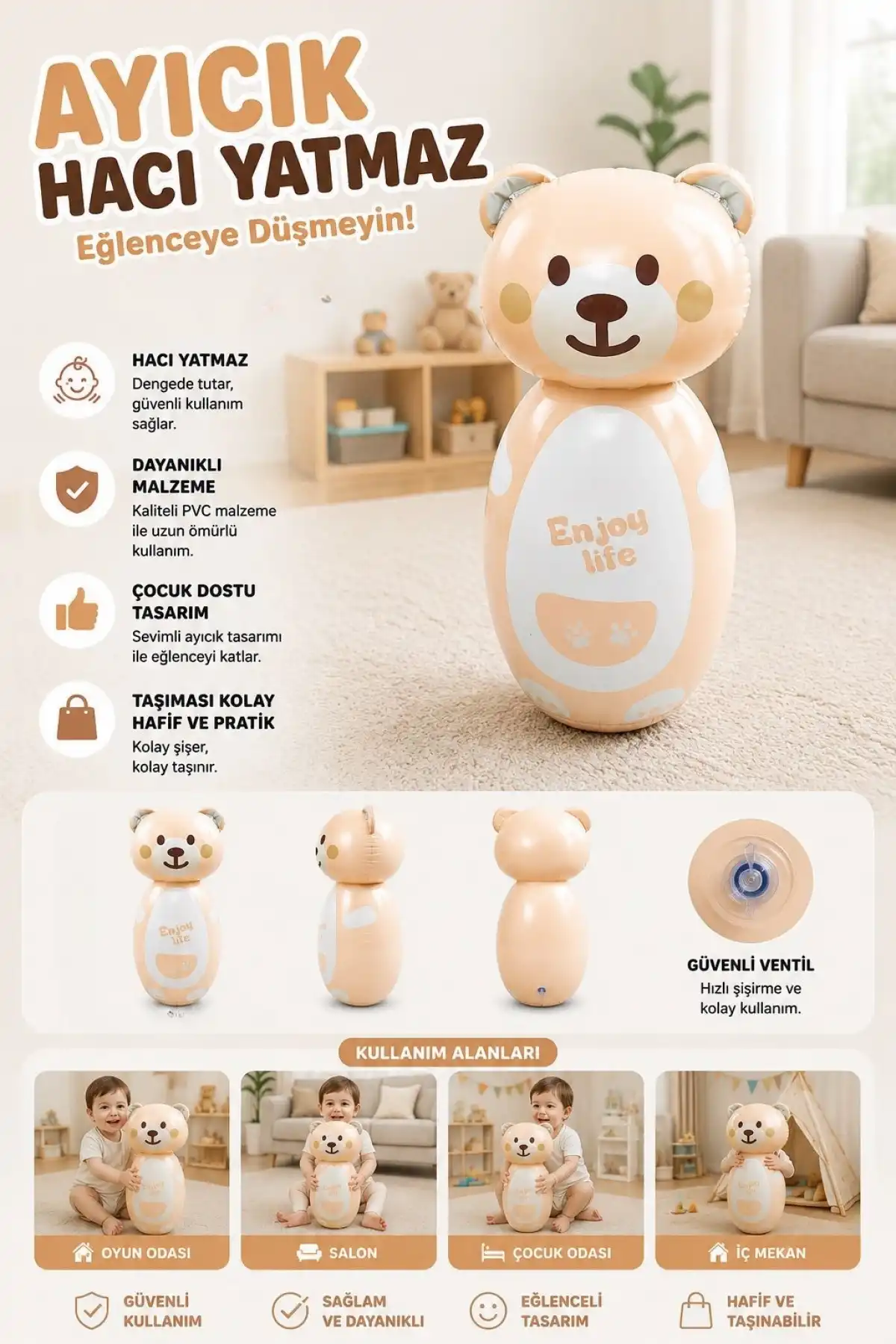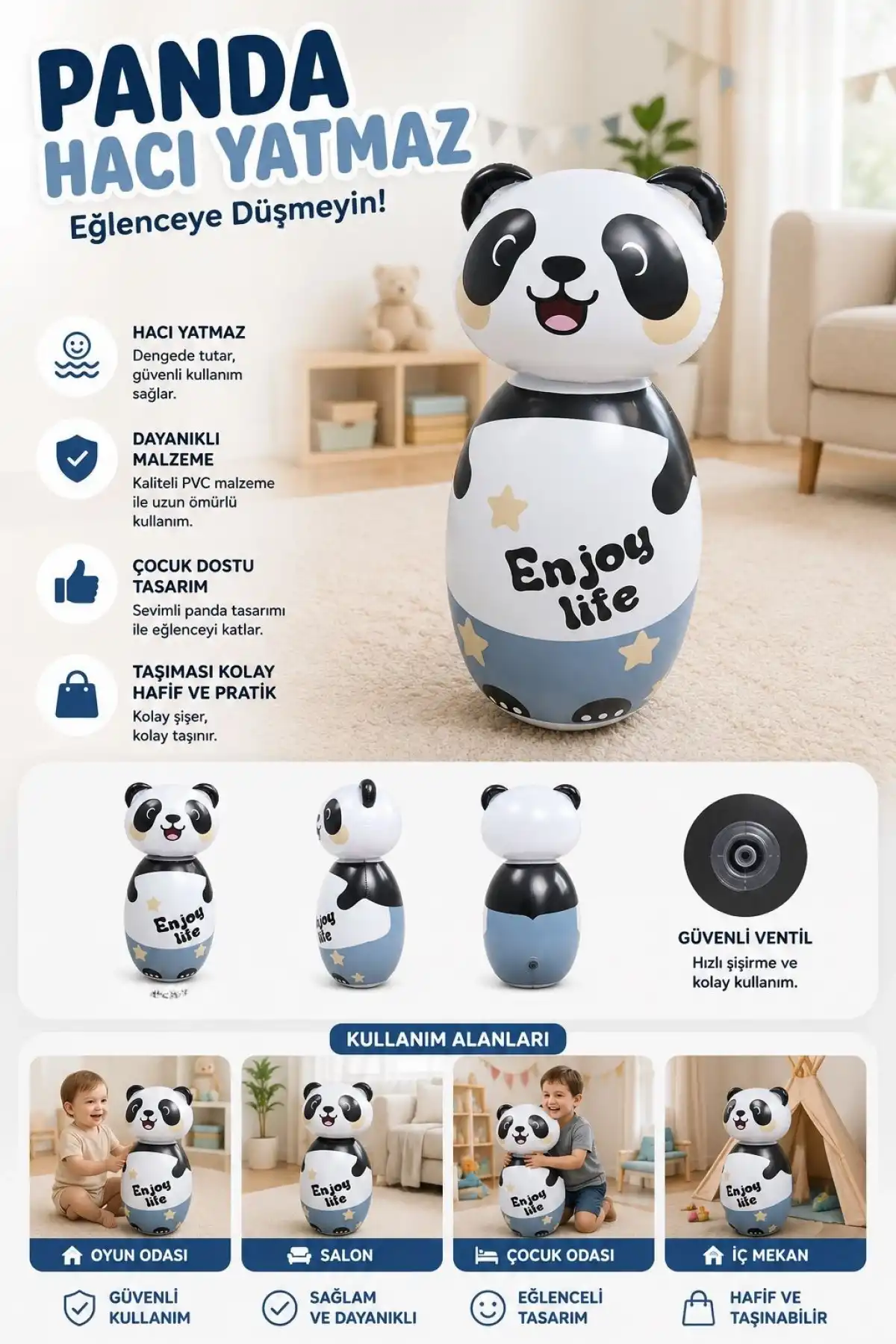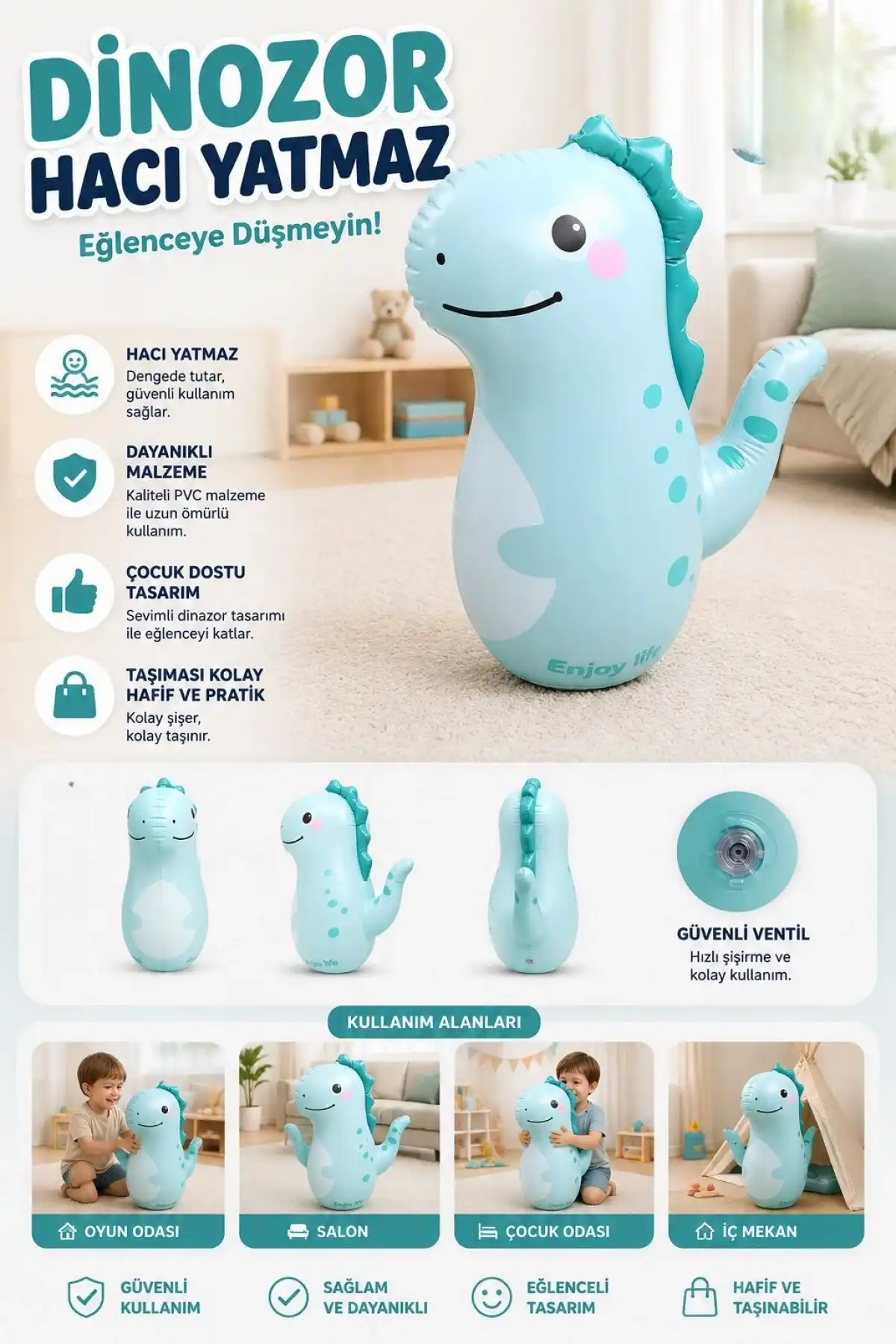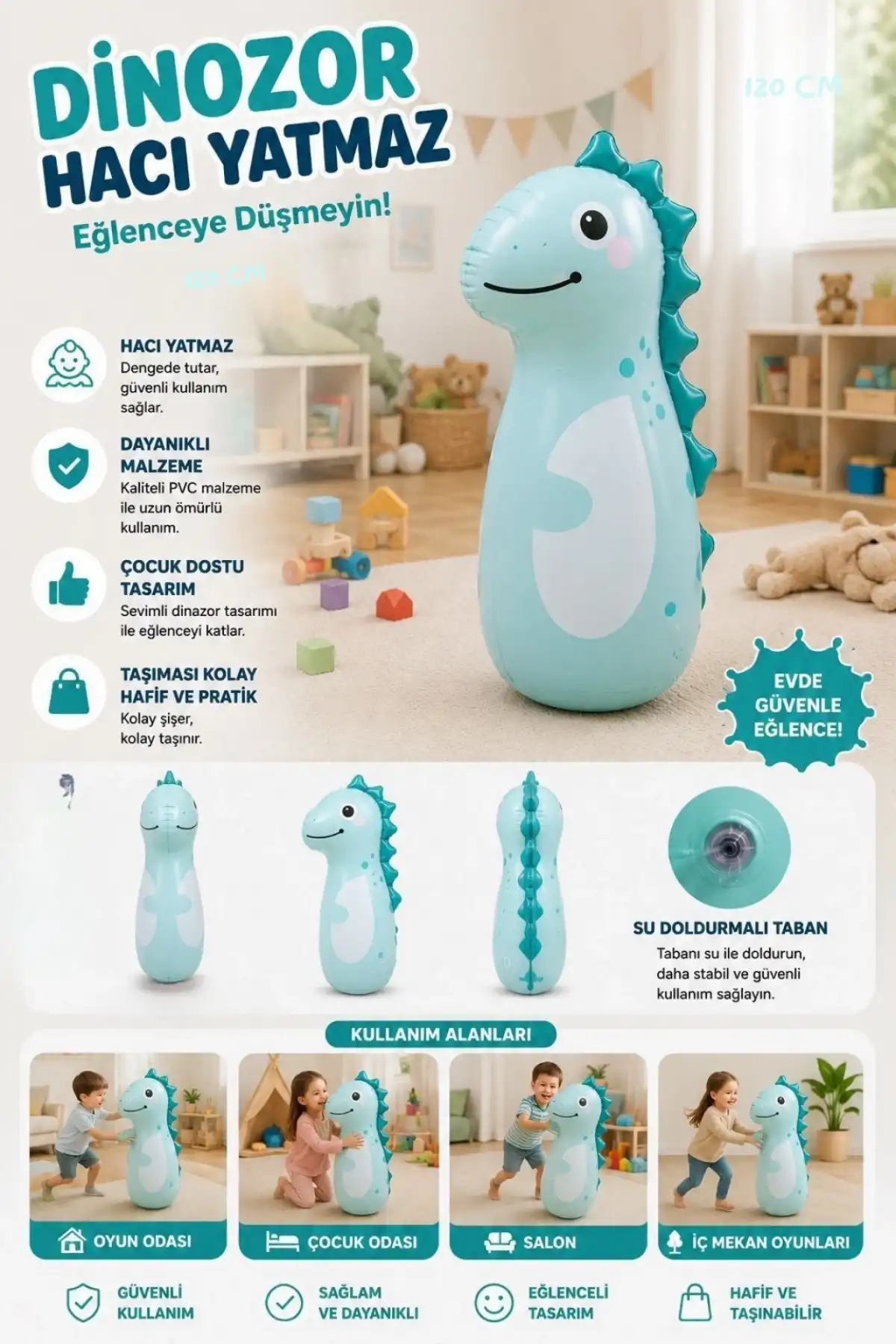

Choosing Between Two Toys: A Simple Comparison Card

Both toys may seem intriguing; one may come in a larger box, and the other may feature a more extensive list of features. To make the decision easier, evaluate product descriptions with the same questions. This method makes the needs of your home and child visible rather than giving a product a definitive score.
Check suitability first
The age label, usage warnings, and adult support requirements should be suitable for both products. If one model is not suitable, being cheaper or more popular does not change this. If information is unclear, ask the seller for the product's manual or label information before purchasing.
Prepare a five-line card
- Play style: What exactly will the child do? Build, direct, draw, or create a story?
- Real size: What is the size of the product, not the box, and the assembled state?
- What's needed to start: Does it require batteries, glue, an app, or another material; which ones are included in the box?
- Post-game: How will the pieces be collected and where will they be stored?
- Fit with existing toys: Is there already a product that does the same job, or does it add a new way of playing?
Sample comparison
A mechanical board game may be played in short rounds, while a model set may require more extended setup space. Here, the better product is not the same for everyone. The child's current interest, time at home, and available space can guide the choice. Verify the features of both products from their page; don’t assume battery or part content based on the category.
Consider the total cost
Also note additional necessary materials that may be added to the product price. Check the delivery conditions from the order screen. Instead of generating a "most economical" result by dividing it by a notional number of uses, focus on the features you will actually use.
Summarize the decision in one sentence
Write a concrete justification like "We choose this because it is suitable for short games and fits our storage space." You can reuse the same card when reviewing ToyFlyer toys.
The cover image is an AI-generated concept illustration.
- Why Doesn't the Foam Gun Produce Foam? Troubleshooting and Proper Use Guide
- What is Ring Toss Water Game? Timeless Toy that Enhances Children's Attention and Hand-Eye Coordination
- What is a Bubble Gun? How to Use It? | Fun Summer Toy Guide | ToyFlyer
- The Most Fun Outdoor Games for Children to Play During Summer Vacation
- The Most Fun Gift Toys for Children: Water Game
- Why Is Dental Health Important in Children? 5 Reasons to Protect Milk Teeth
- How to Encourage Your Child to Brush Their Teeth? Fun Solutions