
What Does a Toy Pinball Bring to Children? Fun Skill Game Guide

What Does Toy Pinball Bring to Children?
What is Toy Pinball?
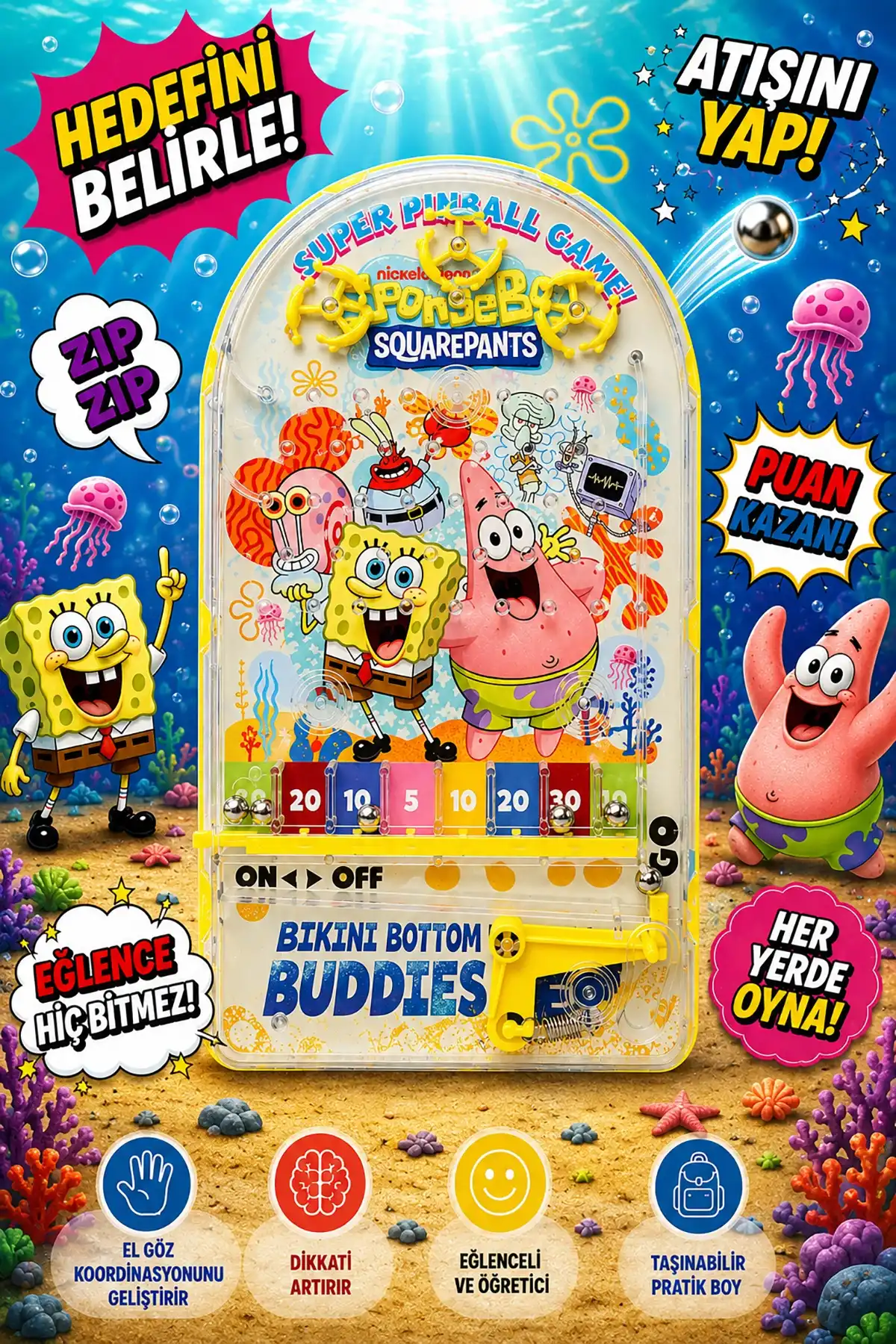
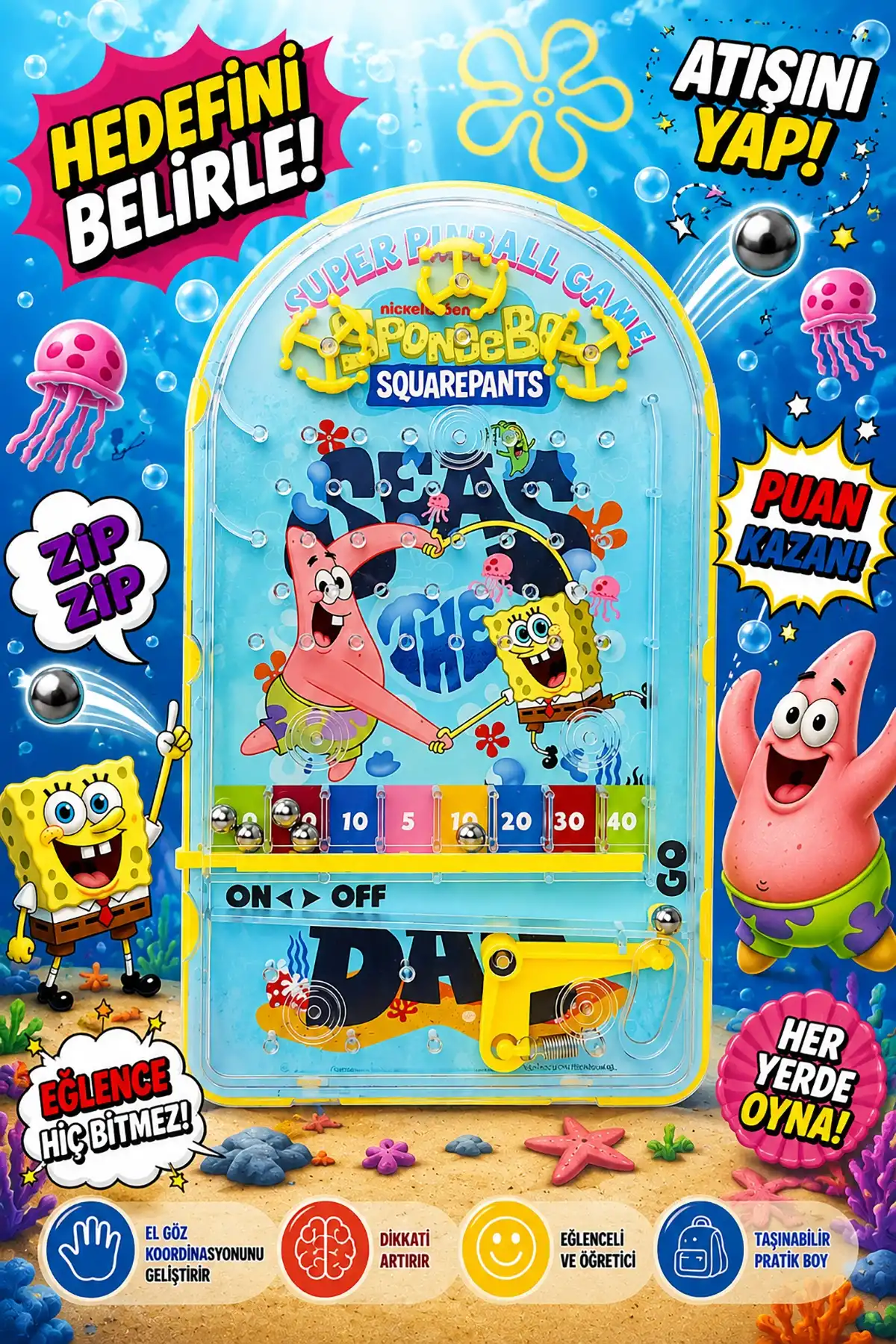
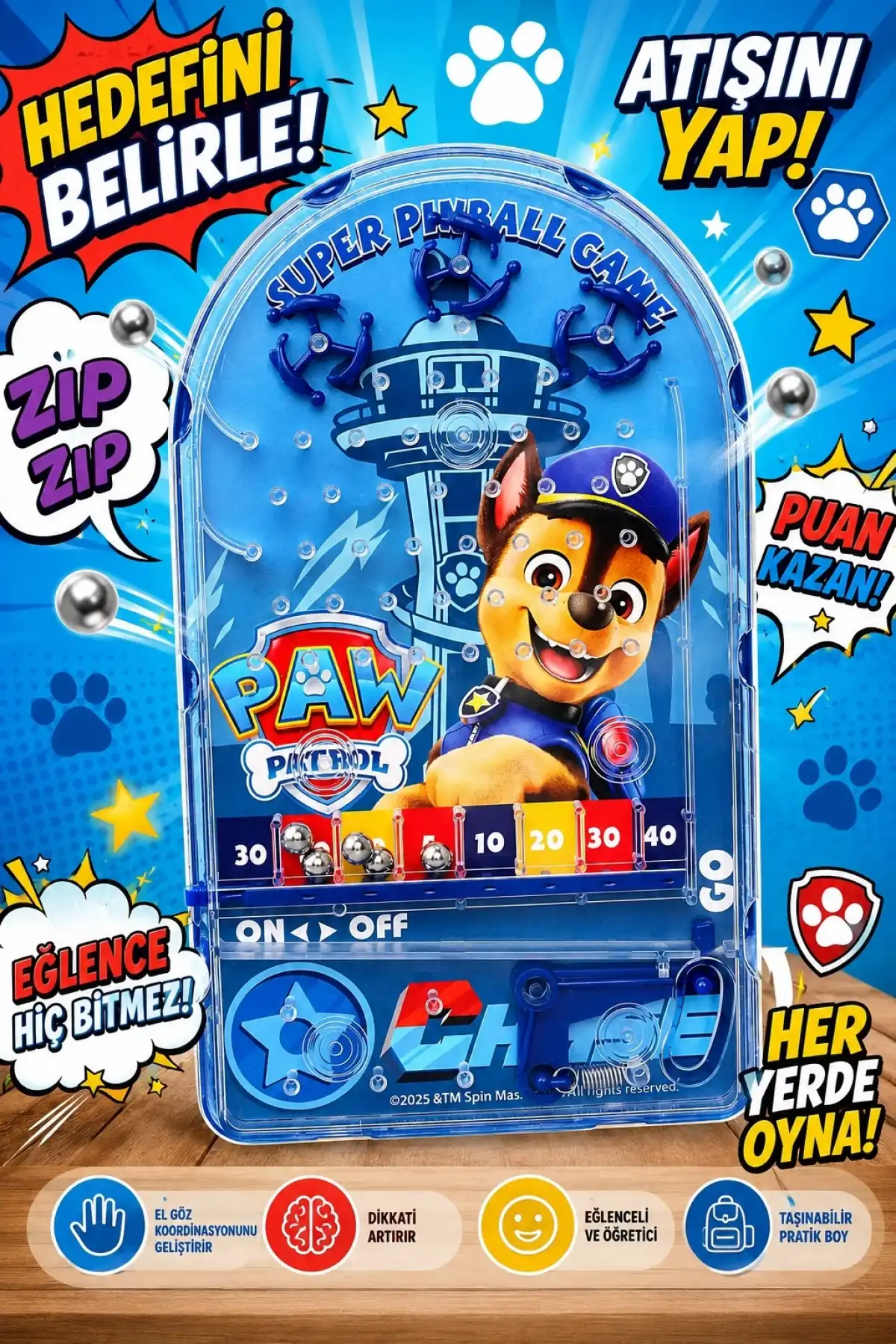
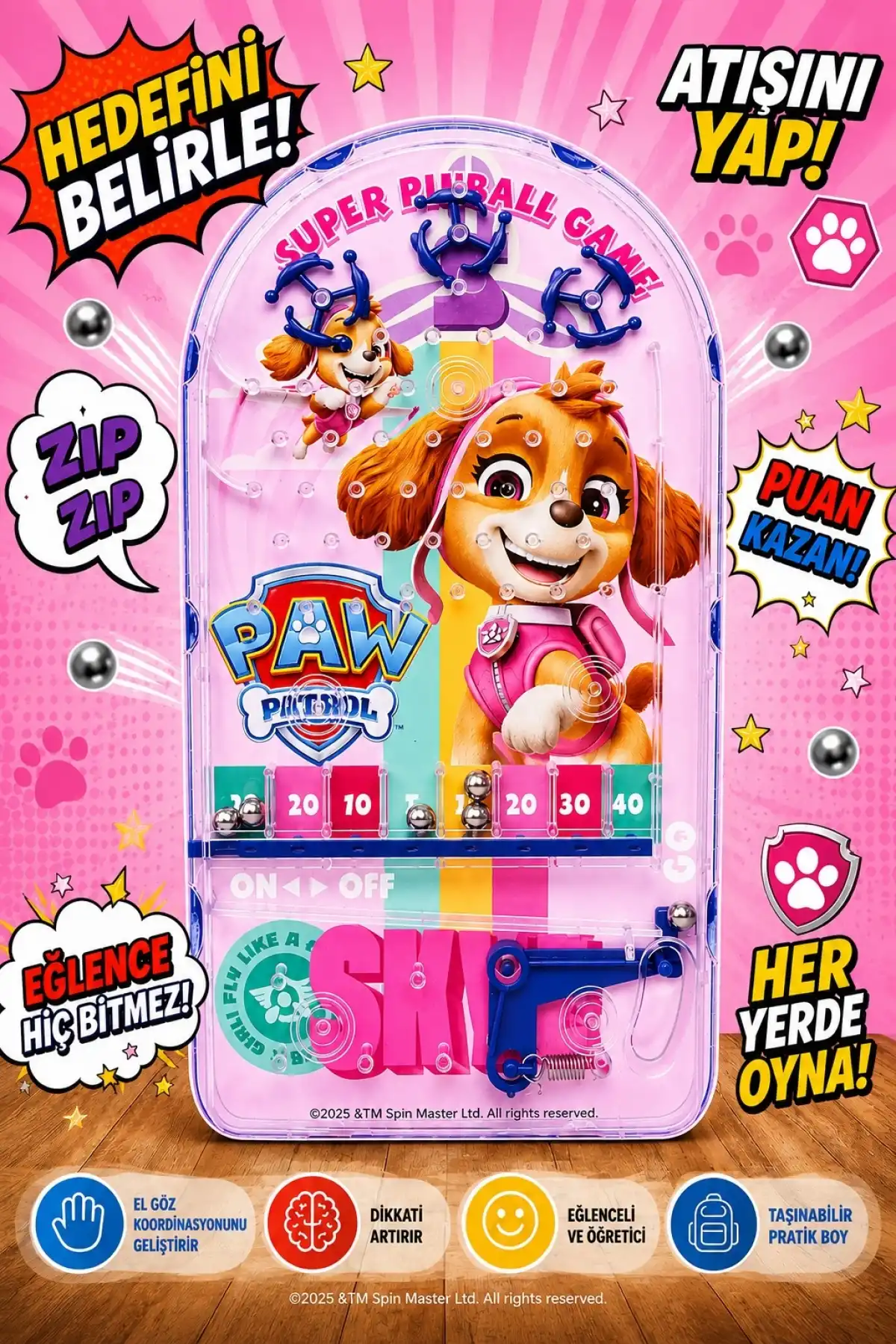
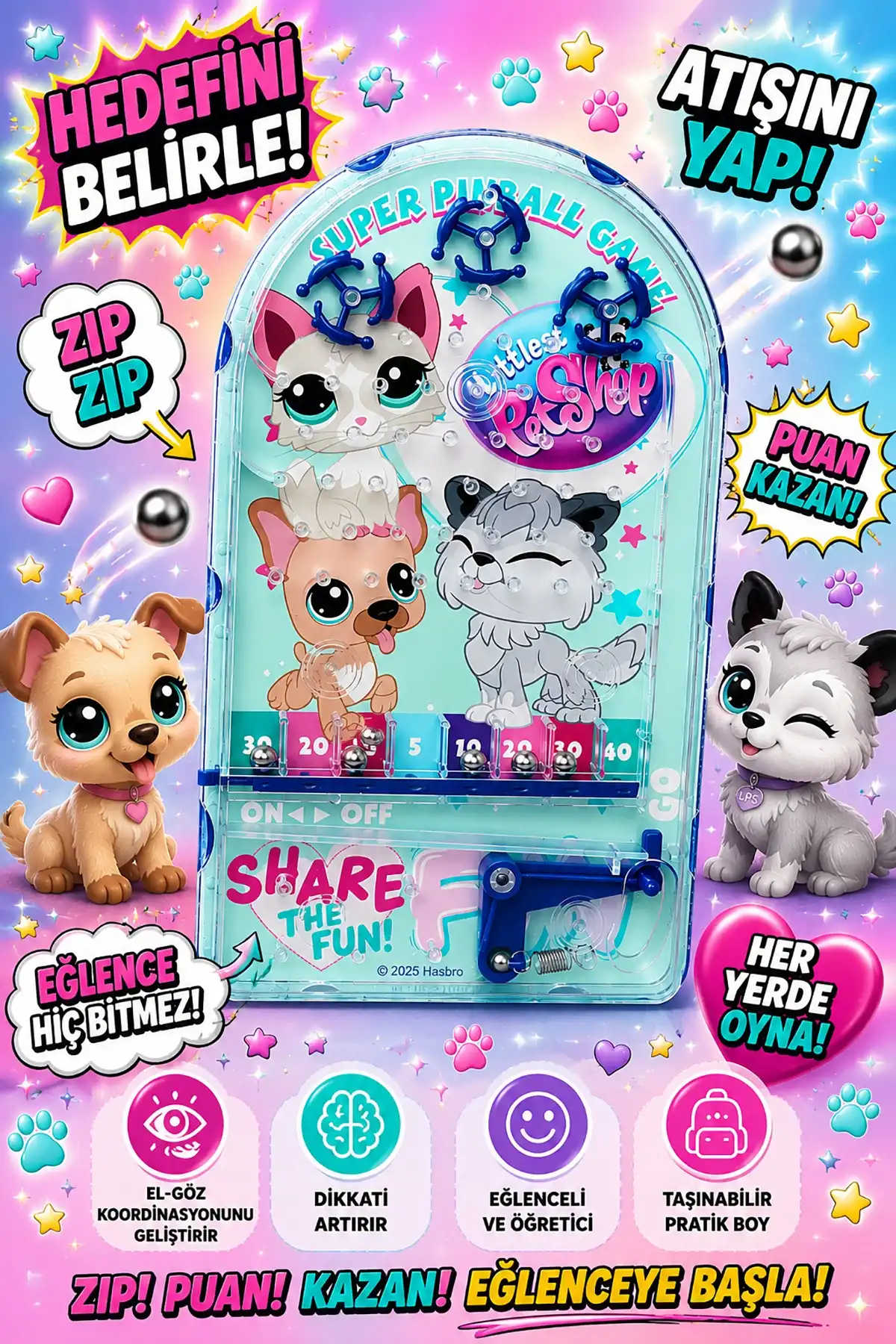
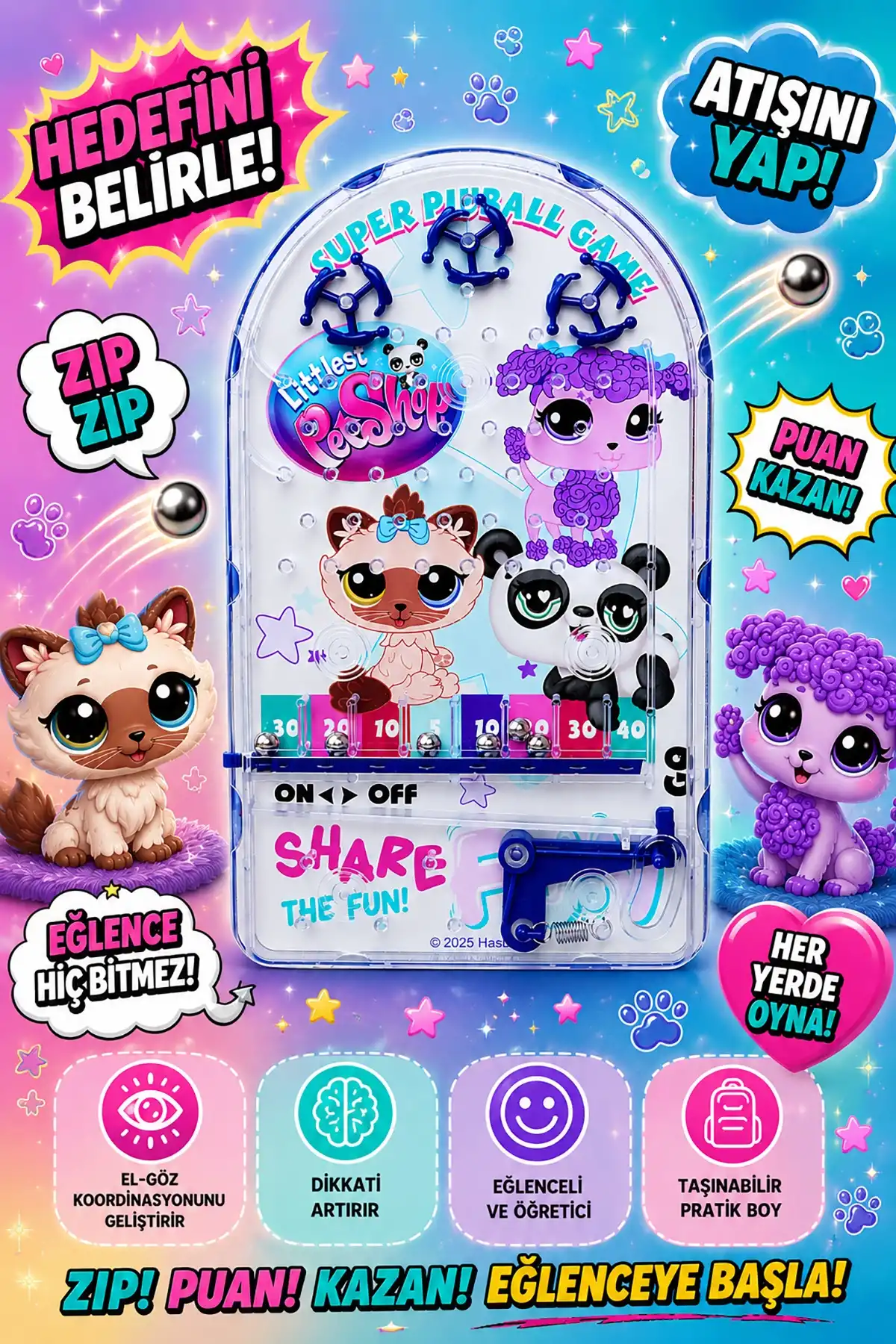
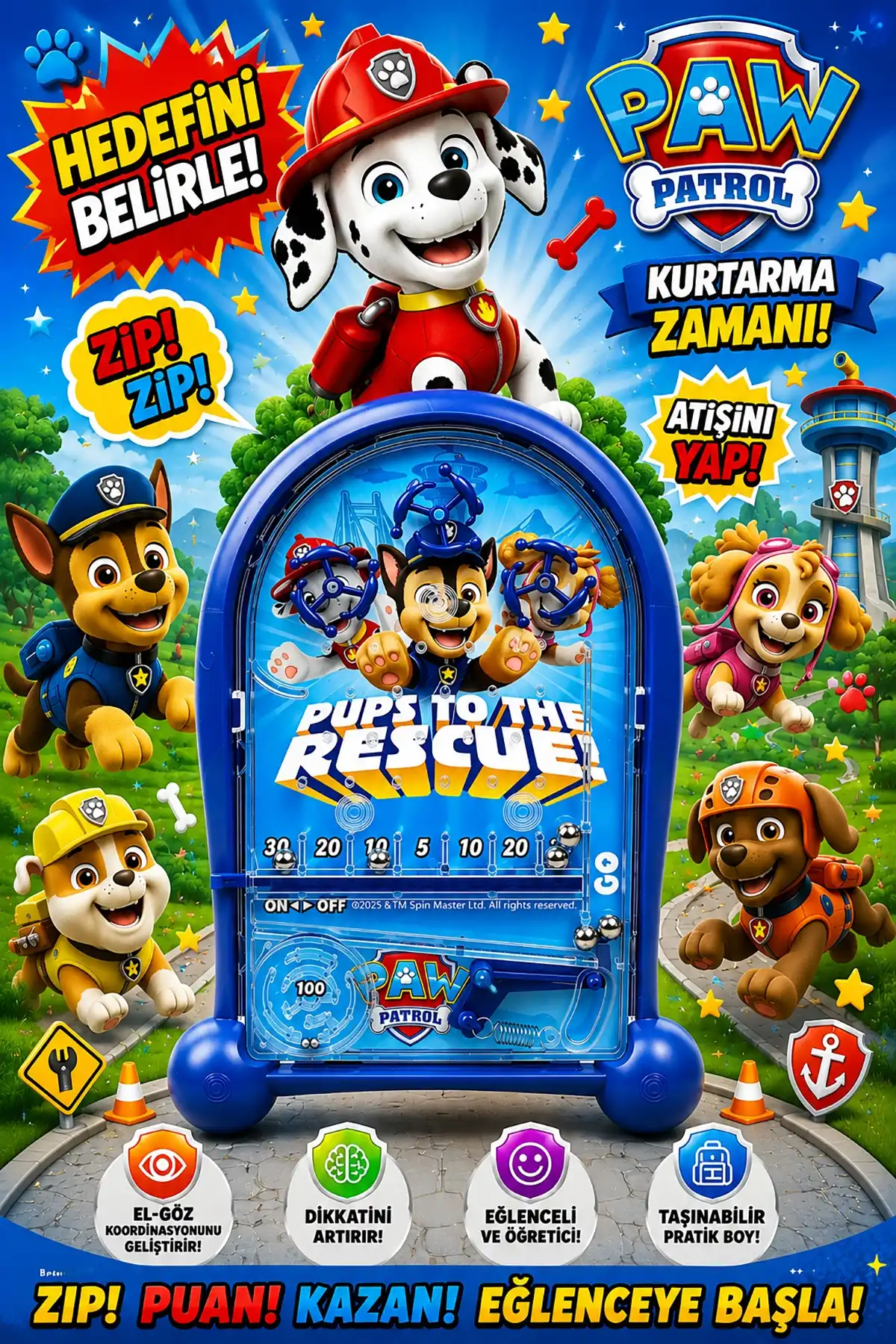
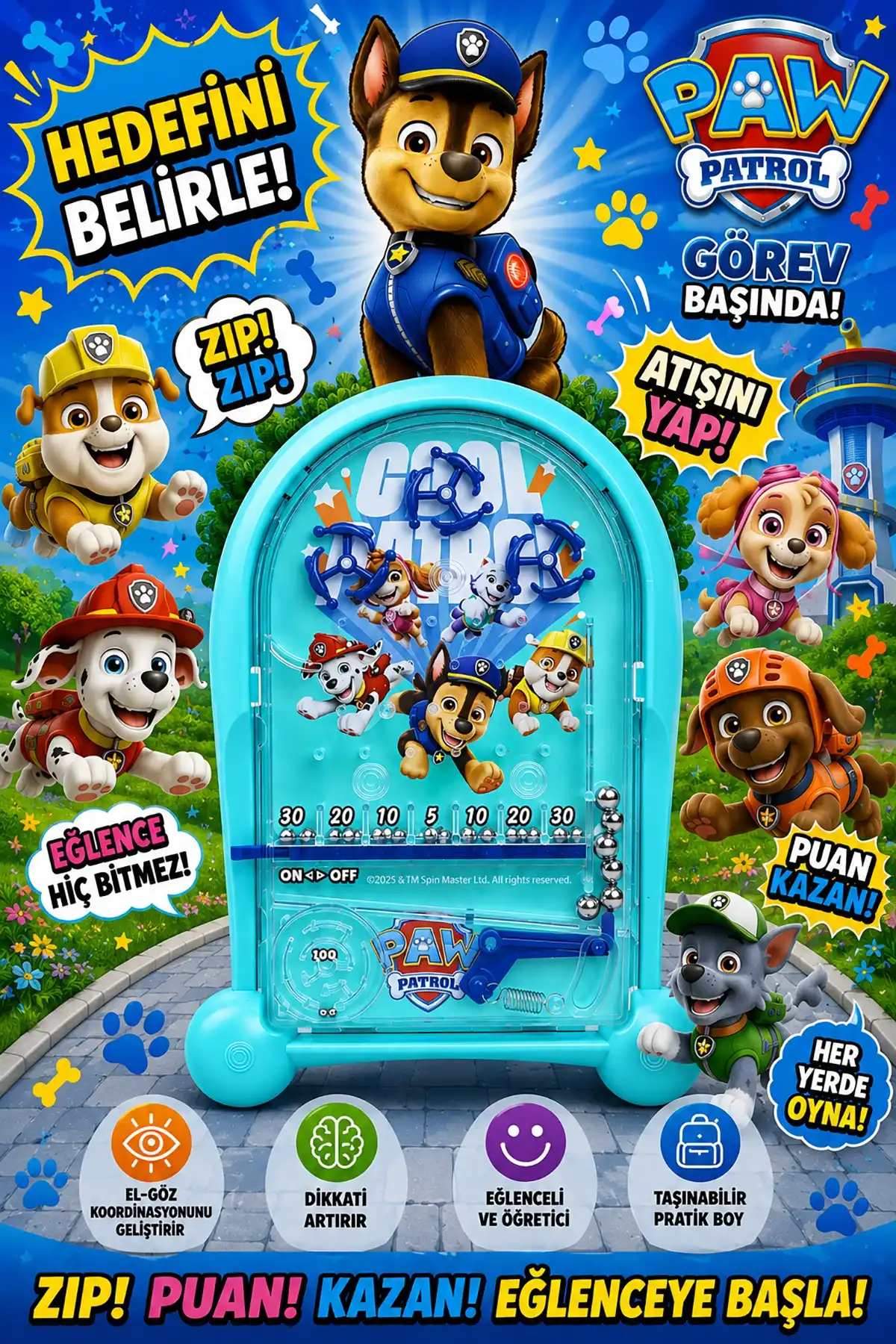
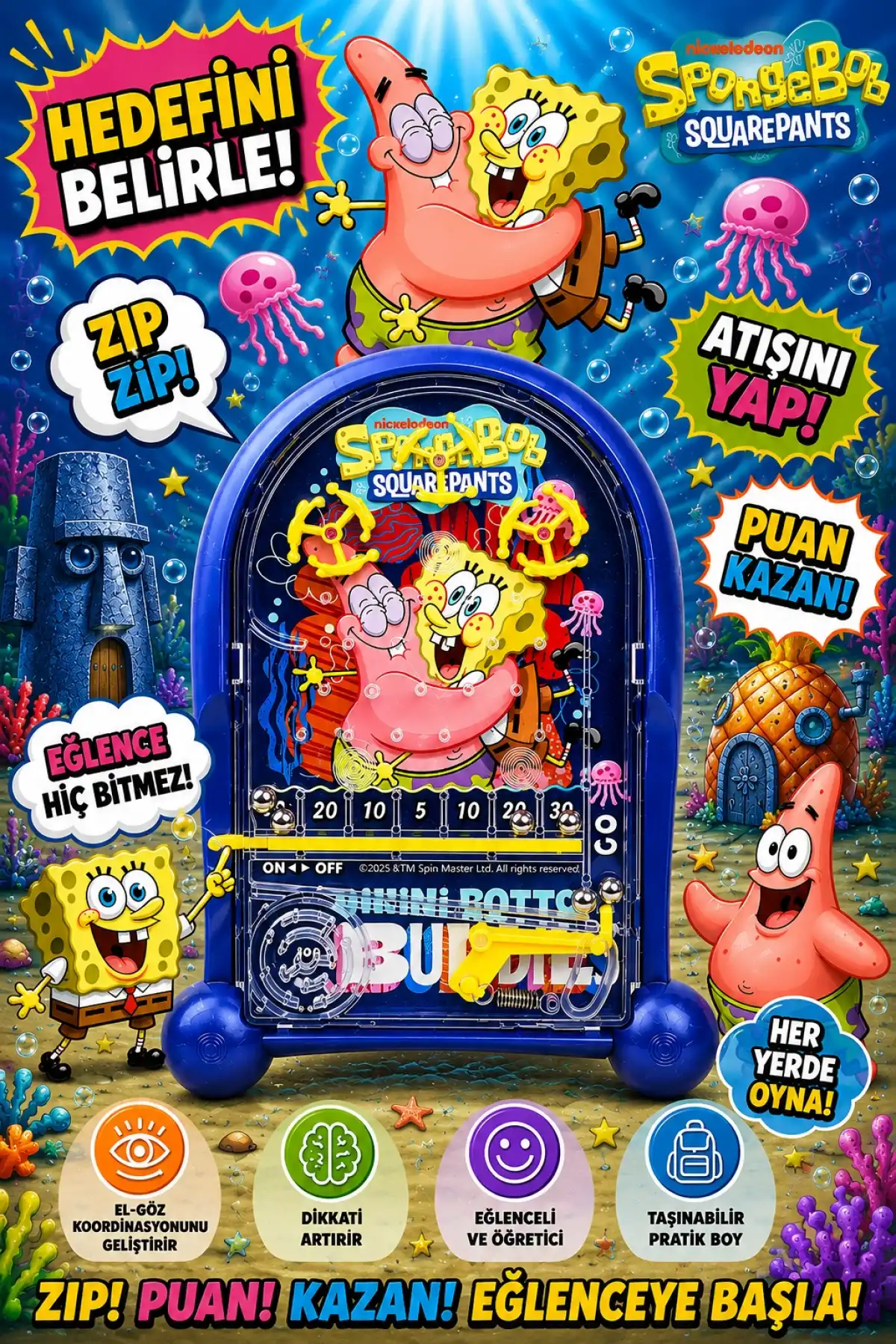
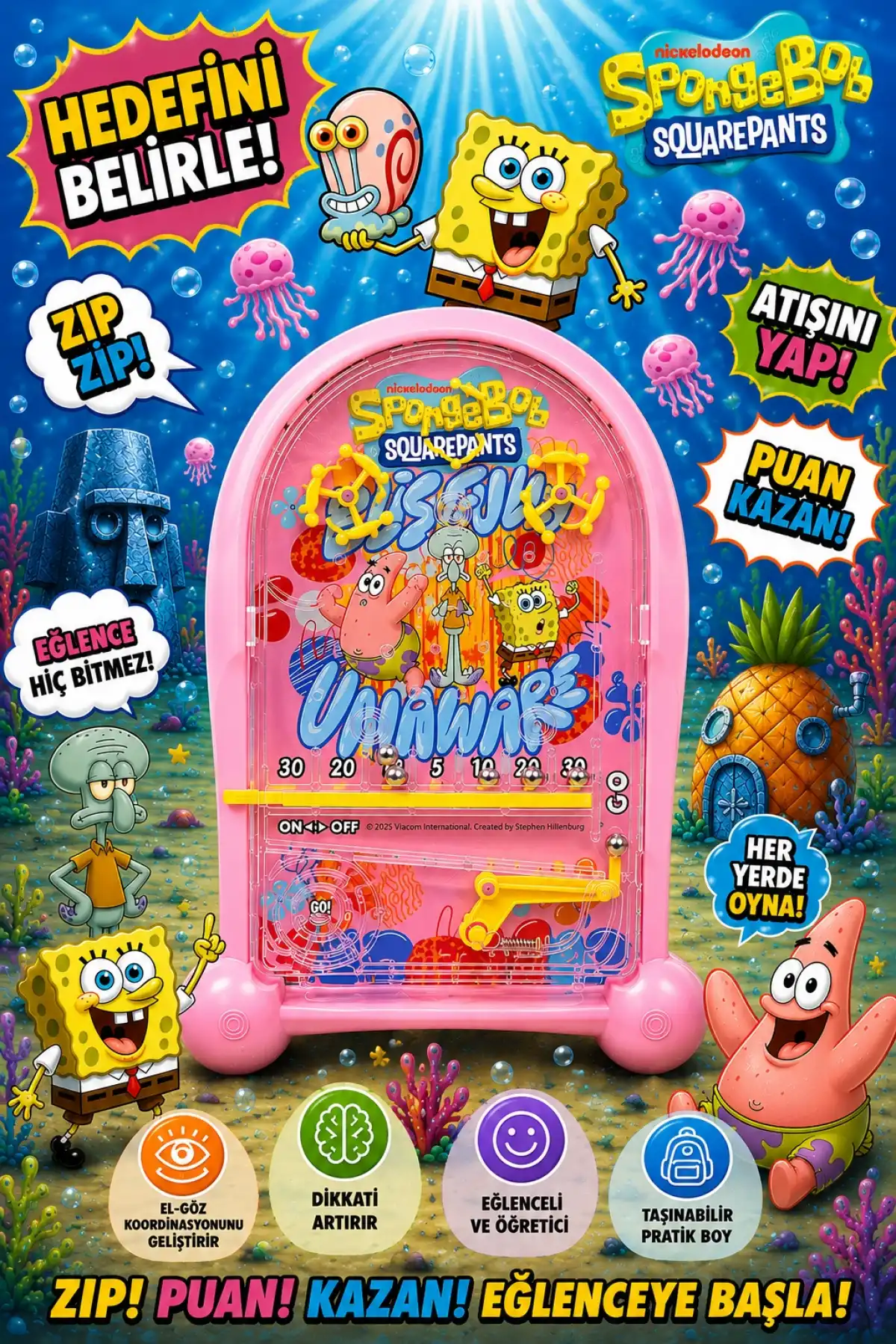
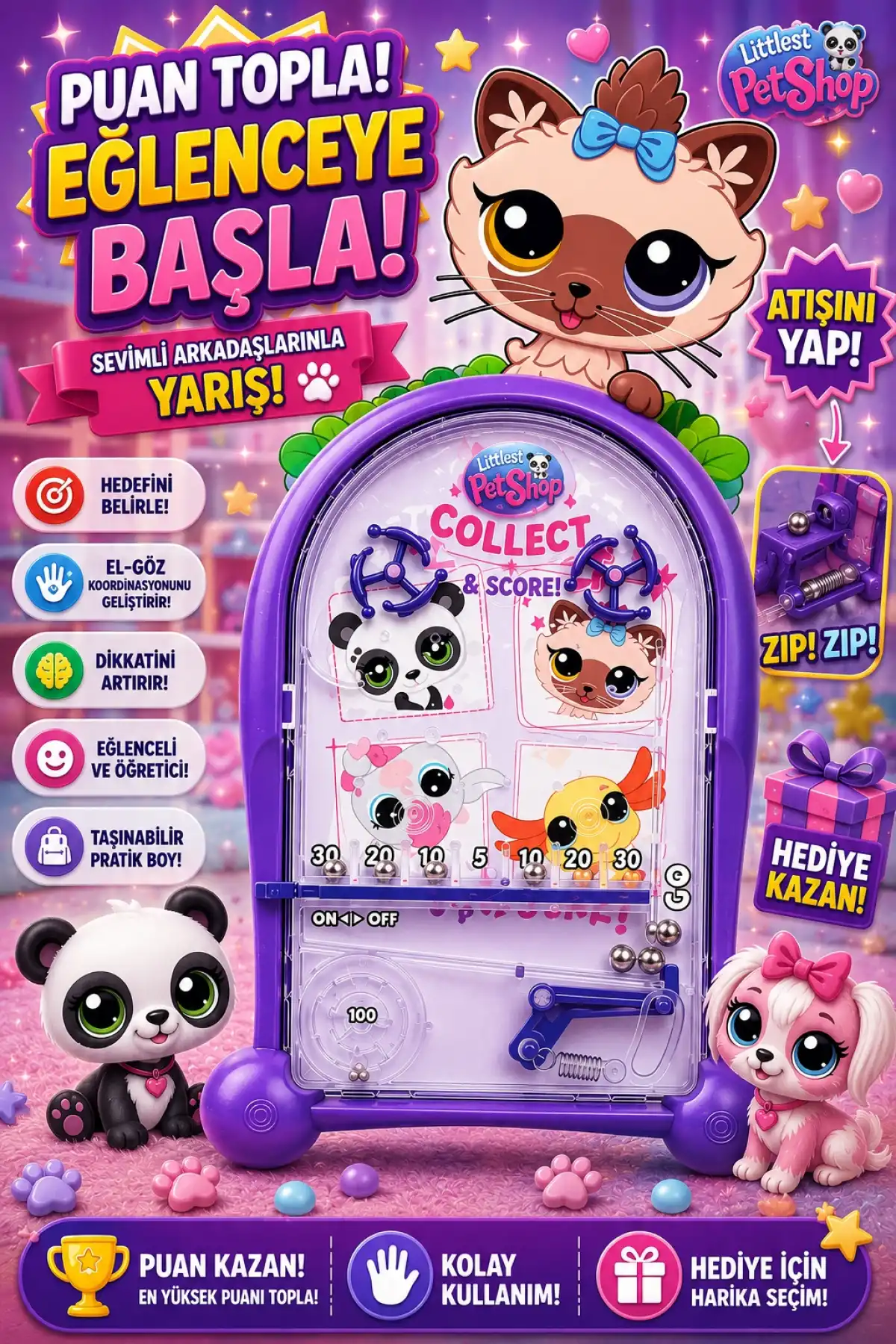
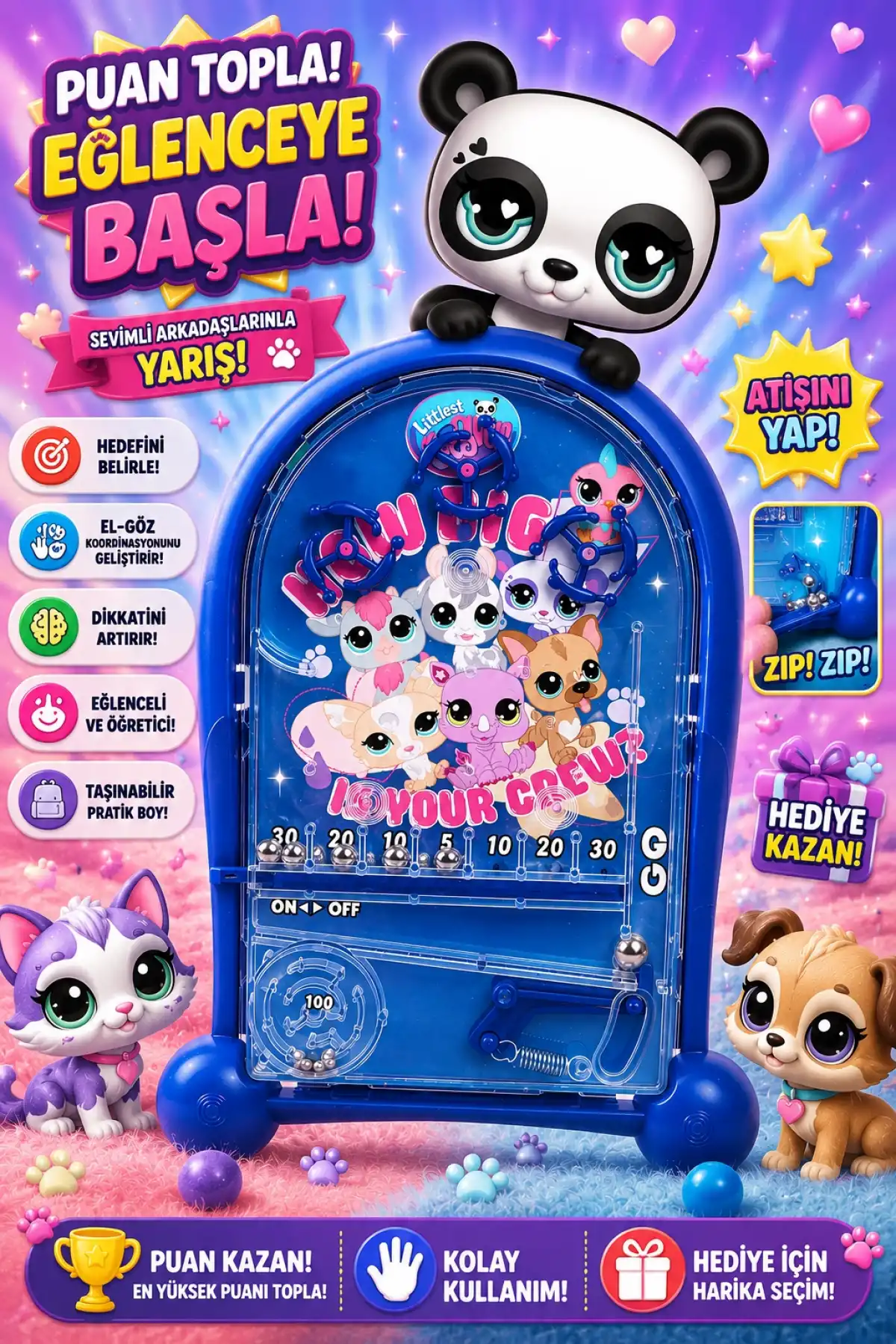
Toy pinball is a fun skill toy based on keeping the ball in the playing field for as long as possible. Children use side buttons or levers to try to prevent the ball from falling and to reach targets on the playing field to score points.
Pinball, a much-loved example of classic tabletop games, offers a practical activity that children can play both individually and with friends. Its ability to provide entertainment without requiring an electronic screen makes pinball toys stand out among screenless gaming alternatives.
Supports Hand-Eye Coordination
While playing pinball, children must track the moving ball with their eyes and use the game levers at the right time. Performing visual tracking and hand movements simultaneously helps develop hand-eye coordination.
The fast movement of the ball ensures children focus on the game. Over time, as they start predicting the direction of the ball, they can move more controlled.
Can Improve Reflexes and Reaction Time
Toy pinball requires quick decision-making. As the ball progresses through the playing field, the child decides which lever to use in a short time. This contributes to the support of reflexes and the speed of reaction.
Since each game progresses differently, children learn to adapt to changing situations instead of repeating the same movements.
Helps Increase Attention Span
To succeed in pinball, the ball must be continuously tracked. If the child's attention drifts, the ball may leave the playing field. Therefore, the game supports the habit of focusing in a fun way.
Thanks to short game rounds, children can play repeatedly without getting bored. Trying to surpass their previous score can also increase their interest in the game.
Patience and Retry Ability
The ball going out of play is a natural part of the pinball game. The child starts again in each round, trying to correct previous mistakes. This process can help develop patience, retrying, and goal-setting skills.
Learning to win as well as lose and start over is also an important part of the gaming experience for children.
What to Consider When Choosing a Pinball Toy?
The first criterion is that the product is suitable for the child's age group. Models with small parts may not be suitable for young children. The age recommendation in the product description should always be checked.
The ease of movement of the game levers and the ball's smooth progression on the playing field directly affect the user experience. Models made of durable plastic offer an advantage for long-term use.
Licensed characters or colorful visuals can increase the child's interest in the product. Choosing a theme that the child likes can help the toy be used more frequently.
Screen-Free Entertainment Alternative
In today's world where tablet and phone usage is increasing, toys that do not require screens have become more valuable for families. Tabletop pinball toys can keep children's attention on the game for a long time without the need for an electronic screen.
Compact models that can easily be used at home, on vacation, or during meetings with friends offer a practical gaming option.
Conclusion
Toy pinball is a fun tabletop game that supports attention, reflexes, hand-eye coordination, and patience skills. When an age-appropriate and durable model is selected, it can help children spend enjoyable time outside the screen.
- Why Doesn't the Foam Gun Produce Foam? Troubleshooting and Proper Use Guide
- What is Ring Toss Water Game? Timeless Toy that Enhances Children's Attention and Hand-Eye Coordination
- What is a Bubble Gun? How to Use It? | Fun Summer Toy Guide | ToyFlyer
- The Most Fun Outdoor Games for Children to Play During Summer Vacation
- The Most Fun Gift Toys for Children: Water Game
- Why Is Dental Health Important in Children? 5 Reasons to Protect Milk Teeth
- How to Encourage Your Child to Brush Their Teeth? Fun Solutions